GOLD-ISMIA Project has come to understand that there are gender-based differences in the types of work women and men are engaged relating to ASGM, leading to gaps in the income they can earn, disparities in access to knowledge and technologies, and differences in the health risks they are exposed to.
Field research conducted by the GOLD-ISMIA project team at Buwun Mas and Kedaro villages at the Sekotong field location investigated the mass balance of Hg during amalgamation in a rod mill.
planetGOLD ISMIA conducted a market study to establish a baseline that would illustrate how gold mined from ASGM is traded, the price mechanism and the market actors involved. This study tool place between April and August 2020 within the six project sites.
Gregory Minnick, Peter Doyle, and Thomas Hentschel
English
This study included a consultative process with a broad array of stakeholder groups yielding consensus on the principal obstacles to ASGM formalization. To enable ASGM operators to formalize, a recommendation emerged for a National Unified Formalization Plan, which rests on six proposals that largely align with current policy and legislation.
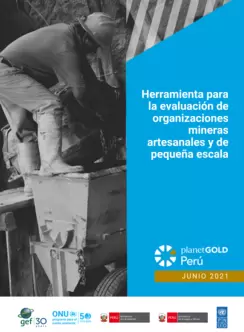
La herramienta busca ser de utilidad para los proyectos o entidades que deseen preparar un plan de trabajo conjunto con las organizaciones mineras artesanales y de pequeña escala a través de una evaluación y análisis que evidencie una línea base preliminar del estado de la organización su potencial de crecimiento y compromiso hacia una minería artesanal y de pequeña escala (MAPE) responsable.
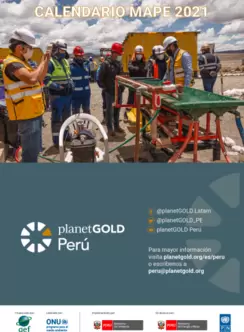
Calendario 2021 para la minería artesanal y pequeña minería de Perú 2021. Contiene fechas de interés para el sector vinculadas al proceso de formalización y obligaciones mineras y tributarias.
Tomando en cuenta diversas experiencias y contextos de Latinoamérica como Colombia, Perú y Bolivia, esta publicación hace énfasis en la viabilidad de la aplicación del Estándar en la región latinoamericana y ofrece, a su vez, nuevos caminos para incentivar la adopción de buenas prácticas mineras.
Cesar A. Chumpitaz Rodriguez,
Deyvi Rodrigo Zela Sanca,
Henry E. Rodriguez Pajuelo
Spanish
La presente herramienta operativo mostrará los pasos a seguir para aplicar métodos y procedimientos que permitan establecer un sistema de trazabilidad.
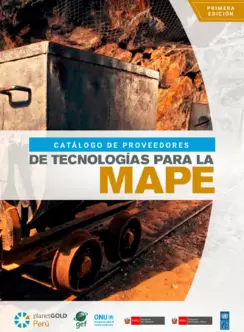
En esta primera edición, el catálogo cuenta con empresas proveedoras de tecnologías para la explotación y procesamiento de mineral, las cuales cuentan con los requisitos mínimos como: RUC activo, domicilio fiscal habido y experiencia de atención a la MAPE. Además se incorporaron proveedores que vienen desarrollando innovación aplicado al sector.



Knowledge areas: