y Lucy Atim, Mesiya Mwangoka, Dr. Laura Martins (Montrose International) and Sophie Rickard (Independent Consultant)
English
This study offers a thorough review of the evidence around Sexual and Gender-Based Violence (SGBV) in the mining sector in Sub-Saharan Africa, with a particular focus on the Democratic Republic of Congo (DRC), South Africa, Tanzania and Uganda.
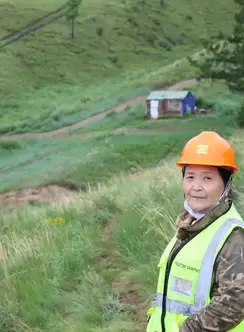
This report has been prepared by the Artisanal Gold Council, the executing agency for the planetGOLD Mongolia project to develop an understanding of the status quo of the artisanal and small-scale mining sector in Mongolia, in particular to assess the current status of prevalent ASGM practices, attitudes and knowledge levels among relevant stakeholder groups in the project sites.
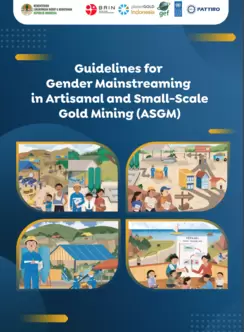
One of the project’s strategies is to strengthen gender mainstreaming in the implementation of each activity to achieve justice and gender equality for artisanal and small-scale gold miners (ASGM). This book, the Guideline for Gender Mainstreaming (GM) in the Artisanal and Small-Scale Gold Mining Sector (ASGM) has been developed to serve as a reference in the implementation of ASGM governance and mentoring programs for gender-sensitive mining communities for implementing agents and parties related to ASGM at the national, provincial, district/city, and village levels in carrying out gender mainstreaming in the attempt to achieve mercury free
This capacity-building package has been designed for policymakers to guide them on how to promote gender equality across all levels of policy and programming in climate change, and to provide them with the necessary tools to do so.
The purpose of this compilation and analysis of Conservation on Biological Diversity (CBD) decisions and recommendations is to support decision-makers, negotiators and advocates in monitoring the implementation of gender-sensitive and gender-responsive policies, programmes, and activities under the Convention.
The International Institute for Sustainable Development
English
This report compiles toolkits, guidelines, and legal frameworks that have been devised and used by governments, international organizations, and civil society organizations to identify and address the gendered impacts of mining operations. It also features three case studies where these tools have been applied.




Topics: