En el 2015, Bolivia importó 152 toneladas de mercurio, 12 veces más de lo adquirido el año anterior, un incremento que se dio cuando el Perú impuso restricciones al comercio y uso de este metal pesado directamente ligado a la extracción de oro.
International gold trade has many routes and inter-connections but as is evident from the COVID-19 crisis, it can come grinding to a halt when only a few of its interconnected elements cease to function. And that has exposed some its its vulnerabilities and who are its most vulnerable participants – artisanal gold miners.
Artisanal and Small-Scale Mining provides livelihoods for about 40 million people worldwide, representing 90% of the gold mining sector workforce and generating around 20% of their annual production.
In the context of the global crisis generated by COVID-19, this population is exposed to a number of particular vulnerabilities that need to be urgently assessed at the global, national and local levels to take action to mitigate their impact.
Field facilitators with the planetGOLD project in Indonesia (known locally as GOLD-ISMIA) surveyed 30 respondents across six project locations to understand gold market prices during the COVID-19 pandemic, and the impact of COVID-19 on miners’ activities.
A combination of factors is driving the continued use of mercury, including the lucrativeness of the trade, the informality of the ASGM sector, the poverty of many miners and the power imbalance between many traders and miners. Mercury governance within the investigated countries has potential for improvement. To tackle the mercury problem, action should be taken that addresses the problem from all angles and takes all key stakeholders into account. The report is a compilation of findings from investigations that IUCN NL’s local partner organisations carried out. More detailed findings for each country can be found in the respective country
Diane Bune, Ardiana Ekawanti, Baiq Dewi Kirsnayanti - GOLD-ISMIA (planetGOLD Indonesia)
Indonesian
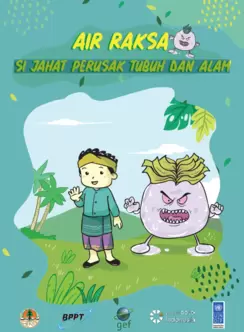
Komik ini diterbitkan oleh Proyek planetGOLD Indonesia (GOLD-ISMIA) sebagai bahan pembelajaran untuk anak-anak dan guru tentang bahaya merkuri di Pertambangan Emas Skala Kecil (PESK)
En el marco de la crisis mundial generada por el COVID-19, esta población se encuentra expuesta a situaciones de vulnerabilidad particulares que es urgente evaluar a nivel global, nacional y local con miras a tomar medidas que mitiguen su impacto.


Knowledge areas: