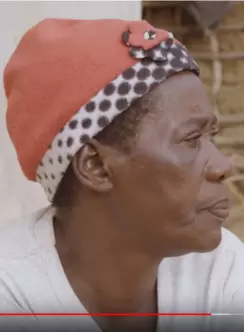
Co-designed with miners, Moyo Gems is an ethical gemstone program being piloted in Tanzania’s gemstone-rich Umba Valley. With the Tanzania Women Miners Association (TAWOMA) and Moyo partners ANZA Gems and Nineteen48, Pact is creating a new ethical gemstone supply chain that is helping women miners in Umba to mine legally, to work more safely, to improve their gem and market skills, to raise their incomes, and to be recognized for the arduous work that makes consumers’ jewelry possible. In this video, meet Moyo miner Prisca. Learn more at moyogems.com.
Co-designed with miners, Moyo Gems is an ethical gemstone program being piloted in Tanzania’s gemstone-rich Umba Valley. With the Tanzania Women Miners Association (TAWOMA) and Moyo partners ANZA Gems and Nineteen48, Pact is creating a new ethical gemstone supply chain that is helping women miners in Umba to mine legally, to work more safely, to improve their gem and market skills, to raise their incomes, and to be recognized for the arduous work that makes consumers’ jewelry possible. In this video, meet Moyo miner Fatuma. Learn more at moyogems.com.
Los siguientes testimonios fueron grabados en el Segundo Taller Regional de la Red Latinoamericano de la Alianza por La Minería Responsable (ARM) en La Paz, Bolivia Octubre 2012 en las sesiones sobre género lideradas por Ana María Aranibar Gerente General de Cumbre del Sajama (Bolivia) y Olinda Orozco Zevallos, Presidenta de Red Social (Perú), ambas expertas internacionales con amplio conocimiento y experiencia en el tema de género y comunidades mineras.
Plataforma Integral de Minería a Pequeña Escala (PIM)
Spanish
María Flores Soto es una mujer minera dedicada al "barranquilleo" (extracción artesanal de oro aluvial). El siguiente microdocumental comparte un resumen de la vida cotidiana de las mujeres mineras, así como las acciones que el Proyecto Qori Suma viene implementando para cambiar la situación actual del sector Minería Artesanal y de Pequeña Escala (MAPE).
Para más información, visite: www.plataformaintegraldemineria.org
This guidance document outlines a process to assess and manage the environmental impacts of artisanal and small-scale mining (ASM) for governments and miners. The approach focuses on incremental and achievable environmental outcomes at individual ASM mines.
The purpose of the following report is to provide insights, analysis and data – based on extensive interviews with industry participants and financial institutions – that can inform future initiatives designed to achieve the ultimate goal of a fully traced and validated supply chain that is both scalable and self-sustaining. The report’s scope of enquiry covers the role of financial institutions (and of industry partners that provide financing) in both the responsible tin, tantalum, tungsten (3T) and gold supply chains (together, the ‘3TG’ sector).
K.J. Bansah, N.K. Dumakor-Dupey, B.A. Kansake, E. Assan, and P. Bekui
English
The paper includes a case study of an informal ASM-affected community located in the Western Region of Ghana. A two-phase mixed-method approach consisting of literature reviews, questionnaires, interviews, and water quality assessments was employed.
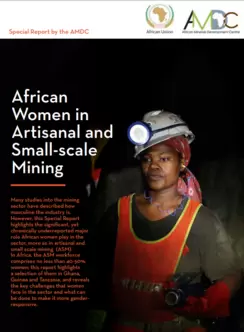
This Special Report highlights the significant, yet chronically underreported major role African women play in the sector, more so in artisanal and small scale mining (ASM). In Africa, the ASM workforce comprises no less than 40-50% women; this report highlights a selection of them in Ghana, Guinea and Tanzania, and reveals the key challenges that women face in the sector and what can be done to make it more gender-responsive
This video tells the story of Anna, a female mine worker in Tanzania. Tanzania is the fourth-largest producer of gold in Africa. In Tanzania, approximately 25 percent of all people directly involved in artisanal and small-scale gold mines (ASGM), are women.


Knowledge areas: