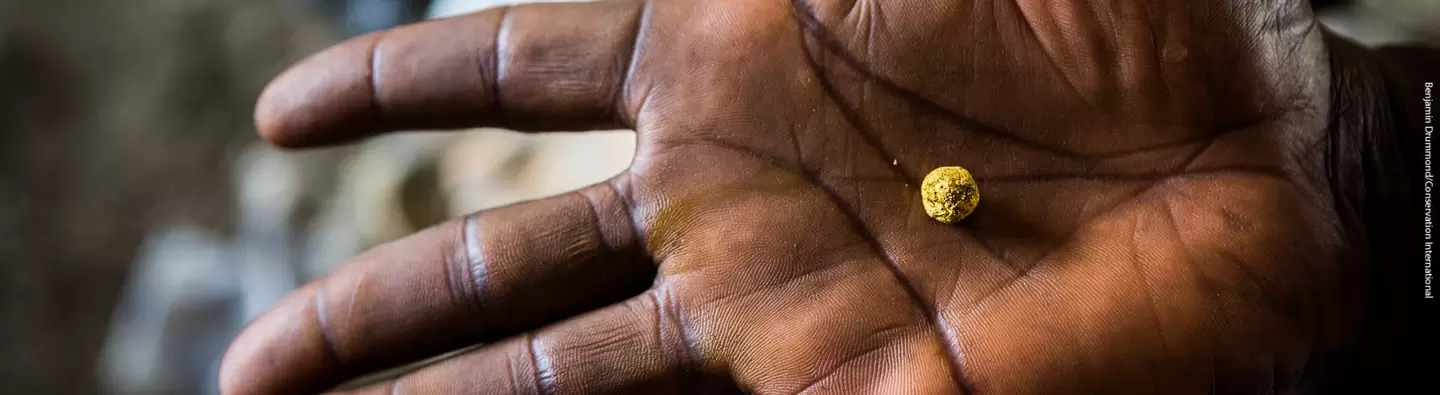
The liquidity crisis affecting artisanal gold mining communities around the globe has the potential to turn into a humanitarian crisis. As miners’ ability to sell their gold for cash deteriorates, the growing concern is that miners will be left with gold in their pockets but no food on the table. The most at risk are those rural and isolated communities whose economies are almost entirely dependent on gold, such as Choco, Colombia.
Diane Bune,
Ardiana Ekawanti,
Baiq Dewi Kirsnayanti - GOLD-ISMIA (planetGOLD Indonesia)
English
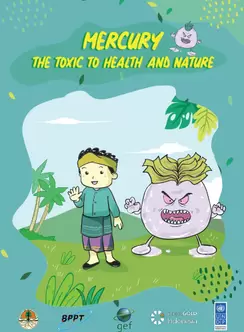
This comic book was produced by the planetGOLD Indonesia project for young audiences as an educational tool on the dangers of exposure to mercury used in ASGM
The European Partnership for Responsible Minerals is a multi-stakeholder partnership established with the goal to create better social and economic conditions for mine workers and local mining communities, by increasing the number of mines that adopt responsible mining practices in Conflict and High Risk Areas (CAHRAs).
Franco Arista, Coordinador Nacional del proyecto planetGOLD en Perú
Spanish
Este documento producido por planetGOLD Perú se orienta al sector de la Minería Artesanal y de Pequeña Escala (MAPE) en el Perú, brindando un análisis sobre los efectos de la pandemia del COVID-19 y la propuesta de algunas medidas que faciliten su reactivación y proceso de formalización.
Franco Arista, National Coordinator of planetGOLD in Peru
English
This document produced by the planetGOLD project in Peru puts a focus on the artisanal and small-scale gold mining (ASGM) sector in the country in light of the global COVID-19 outbreak, providing an analysis of the effects of the pandemic and proposing some possible measures to facilitate its reactivation and formalization process.
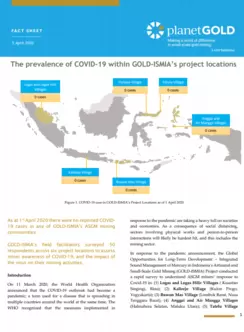
Field facilitators with GOLD-ISMIA, the planetGOLD project in Indonesia, surveyed 50 respondents across six of their ASGM project locations to assess miner awareness of COVID-19, and the impact of the virus on their mining activities.
USAID; Wake Forest University; Centro de Innovación Científica Amazonica
Spanish
Esta guía está dirigida a personal de salud, docentes, promotores, líderes comunales y todas aquellas personas interesadas en apoyar acciones de difusión, sensibilización y educación para prevenir la exposición de la población al mercurio
From 2002 to 2007, the Global Mercury Project demonstrated ways of overcoming barriers to the adoption of best practices and pollution prevention measures that limit the mercury contamination of international waters from artisanal and small-scale gold mining. This archive of the project web site allow users to explore the many useful products generated.


Knowledge areas: