United Nations Office of the Special Adviser on Gender Issues and Advancement of Women and the Secretariat of the United Nations Permanent Forum on Indigenous Issues
English
This briefing note highlights the disproportionate discrimination and human rights abuses Indigenous women face.
Intergovernmental Forum on Mining, Minerals, Metals and Sustainable Development
English
The report analyzes risks to women’s rights in mining-affected communities particularly for Indigenous and rural women including impacts on land, livelihoods, food security, health, unpaid care work.
Meggy Katigbak; Dawn Po Quimque (planetGOLD Philippines),
Elijah Tan
English
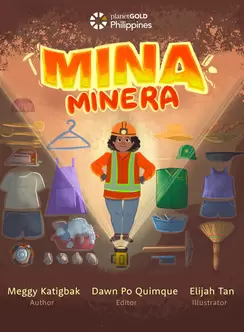
Mina Minera tells the story of a strong, hardworking woman who dedicates her life to supporting her family. From managing household chores to working as a miner, Mina takes on multiple roles to provide for her loved ones. As one of the many Filipino women miners, her story highlights the often invisible and unrecognized labor that women like her contribute to their families and communities.
The comic book emphasizes the crucial importance of making women's work visible—acknowledging and valuing their contributions, especially in sectors like mining. It calls for greater support and recognition of women’s roles, both at home and in the
The objective of this report is to summarize gender dynamics in the artisanal and small-scale gold mining (ASGM) sector and their social and economic implications on women miners in Mongolia. The report concludes that, while some barriers exist, the ASGM sector offers viable livelihoods options for women and identifies encouraging opportunities for women to serve as agents of change for formalization and better mining practices.
In 2023, UN Women introduced the Women's Empowerment Principles' Gender-Responsive Procurement Assessment Tool. This tool was designed to help companies gauge their progress on GRP policies and practices. To test this Tool, UN Women partnered with the Watch & Jewellery Initiative 2030 to launch a pilot programme that evaluates gender-responsive procurement in the jewellery industry. This report shares the results of that pilot programme.
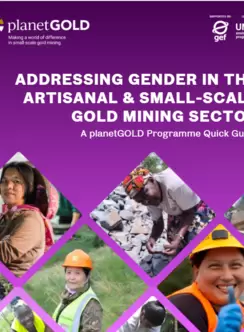
While women are active in the artisanal and small-scale gold mining (ASGM) workforce, they also typically face a range of gender-specific barriers that prevent their full participation. The planetGOLD programme is committed to supporting and creating sustainable opportunities that strengthen gender inclusiveness in ASGM. Country projects take several measures to ensure the active inclusion of women’s voices and concerns in all phases of their projects, from stakeholder engagement (such as project kick-off meetings, trainings, and steering committees) to special gender baseline studies and gender equity planning, to the design of specific
Women play a critical role in the ASM sector. Women were estimated in 2003 to make up 30% of the ASM workforce globally. Today it may be much higher – estimates from some countries reach 50% on average, and higher in some mineral categories (e.g. salt mining in Uganda). Despite this, women experience a number of gendered barriers to full participation in ASM.
This report examines whether and how legal frameworks inhibit or promote women’s equality and empowerment in ASM, along with analyzing several other key barriers to women’s participation and empowerment in the sector including social protections and access to occupational health and safety.
Secretariat of the Minamata Convention on Mercury
English
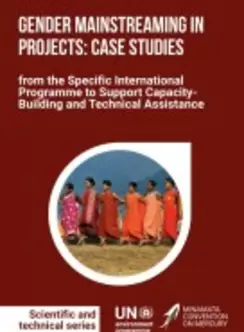
This new publication presents an assessment of how projects funded by the Specific International Programme (SIP) under the Minamata Convention integrate considerations related to women and girls in their design and implementation.
This presentation explores potential risks to the health of ASM communities presented by the pandemic including access to adequate healthcare and delivery of preventative health services. In addition findings on the impact of the pandemic on men and women were explored, highlighting the disproportionate negative impact of food security experienced by women.



Topics: