Samuel J. Spiegel; Sumali Agrawal; Dino Mikhab; Kartie Vitamerry; Philippe Le Billon; Marcello Veigad; Kulansi Konoliusb; and Bardolf Paul
English
This article uses an ecological economics approach to analyse tensions surrounding efforts to phase out mercury in Indonesia's artisanal and small-scale gold mining (ASGM) sector, among the largest sources of mercury pollution worldwide. It also discusses implications of domestic cinnabar mining for controlling mercury in Indonesia's ASGM sector, highlighting obstacles to implementing the Minamata Convention, a treaty that aims to restrict mercury use.
Samuel J. Spiegel, Sumali Agrawal , Dino Mikha , Kartie Vitamerry , Philippe Le Billon , Marcello Veiga , Kulansi Konolius, Bardolf Paul
English
This article discusses implications of domestic cinnabar mining for controlling mercury in Indonesia's ASGM sector, highlighting obstacles to implementing the Minamata Convention, a treaty that aims to restrict mercury use. We link discussion of mercury mining to other socioeconomic processes, labour relations and power dynamics shaping mercury use in gold mining and hindering collectivised mercury-free technology uptake.
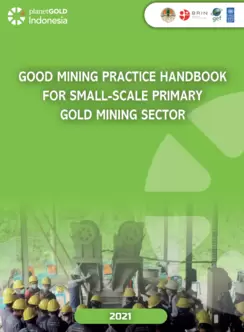
The guideline of Good Mining Practice (GMP) was developed based on the conditions of small-scale primary gold mining in Indonesia which is focusing on the technical level as well as mining safety and environmental management during the primary and post-mining gold mining processes. GMP is a technical guideline for supporting small-scale primary gold mining in Indonesia. The information is also useful for stakeholders in the small-scale primary gold mining sector, small-scale mining operators, local governments and local communities living close to small-scale primary gold mining areas.
This report seeks to unpack how criminal consortia manipulate ASGM and associated gold flows to secure illicit rents and capture the sector. The findings highlight the need for nuance, especially regarding the role of informal and traditional actors in the sector. Through a more holistic understanding of the challenge, policymakers will better be able to identify and combat criminal consortia in ASGM.
Between 50 % – 70 % of the world’s gold is refined in Switzerland, and Swiss banks also play a crucial role in marketing bullion. Switzerland is also a primary hub for upmarket jewellery and watchmaking and the awareness of designers to consumers of risks involved remains very low. This report addresses the problems head on and serves to raise awareness amongst producers and consumers alike.
D. Stapper, K. Dales, P. Velasquez, and S. Keane
EnglishFrenchSpanish
The gap in applicable guidance for cyanide management in the artisanal and small-scale gold mining (ASGM) sector requires urgent attention, especially considering cyanide’s accessibility and effectiveness at gold extraction, and in light of the trend in uptake of cyanidation in the small-scale gold mining sector worldwide. This document addresses this gap by providing written guidance for ASGM stakeholders on managing the risks of cyanidation where national legal and regulatory frameworks permit its use, in the context of the ASGM sector’s transition from mercury use.
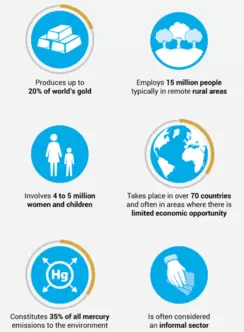
This infographic features a visual summary of the key facts and figures about ASGM. It provides answers to questions such as: Why is it hard to formalize the sector; Why is mercury used in ASGM; How does the Minamata Convention safeguard the ASGM sector? Key strategies through which the planetGOLD programme is transforming the sector are also presented.
Diane Bune,
Ardiana Ekawanti,
Baiq Dewi Kirsnayanti - GOLD-ISMIA (planetGOLD Indonesia)
English
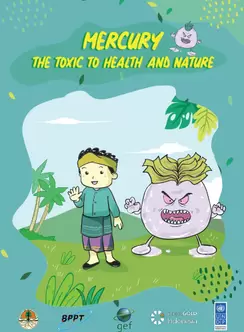
This comic book was produced by the planetGOLD Indonesia project for young audiences as an educational tool on the dangers of exposure to mercury used in ASGM
This slide deck was presented during a July 2024 webinar for planetGOLD national projects giving an overview of financing Landscape Action Plans. It is the seventh in a series of webinars on Jurisdictional Approach (JA) / Landscape Approach (LA).




Knowledge areas: