Secretariat of the Minamata Convention on Mercury
English
This new publication presents an assessment of how projects funded by the Specific International Programme (SIP) under the Minamata Convention integrate considerations related to women and girls in their design and implementation.
Compilación de herramientas pedagógicas creadas por el proyecto planetGOLD Colombia en el transcurso del 2021 y 2022. Estos materiales tienen el objetivo de sensibilizar y generar conciencia sobre el mercurio y sus impactos.
The technical document provides an overview of the available knowledge on the management of mercury-containing tailings generated from the ongoing ASGM practices. Furthermore, based on experiences and specific case studies gathered from mining sites worldwide, each section outlines relevant recommendations for the sound management of tailings along the mining life cycle. The current version of the document has been submitted to the Fourth Meeting of the Conference of the Parties of the Minamata Convention as an information document.
The planetGOLD programme sets out specific criteria to govern the operations of artisanal and small-scale gold mining entities engaged with the programme. The planetGOLD Criteria align with the CRAFT Code, and include three criteria that are specific to the planetGOLD programme: eliminating mercury in the mining process, respecting and protecting the rights of Indigenous Peoples, and minimizing impact on biodiversity. Conformance with this criteria will ensure that artisanal and small-scale miners participating in the planetGOLD programme undertake sufficient efforts to avoid, minimize, mitigate, and where appropriate, offset adverse impacts
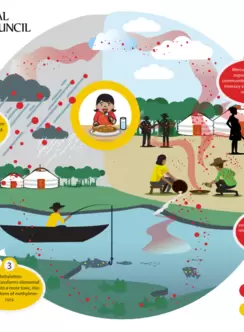
The Artisanal and Small-scale Gold Mining (ASGM) sector typically consists of small groups or individuals extracting gold with semi-mechanized and low-tech methods. Mining sites tend to have poor occupational safety standards and practices exposing miners to various occupational health hazards. Chemical risks include the exposure to toxic substances such as mercury, cyanide and silica dust. Other occupational health risks include painful disorders of the muscles and skeleton (e.g. from heavy lifting), physical trauma (e.g., from slipping, falling, landslides) or exposure to noise, heat and humidity. Furthermore, poor living conditions in
Diane Bune, Ardiana Ekawanti, Baiq Dewi Kirsnayanti - GOLD-ISMIA (planetGOLD Indonesia)
Indonesian
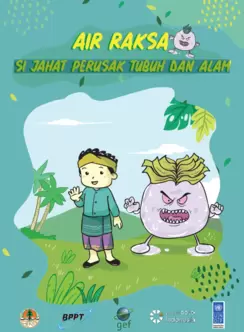
Komik ini diterbitkan oleh Proyek planetGOLD Indonesia (GOLD-ISMIA) sebagai bahan pembelajaran untuk anak-anak dan guru tentang bahaya merkuri di Pertambangan Emas Skala Kecil (PESK)
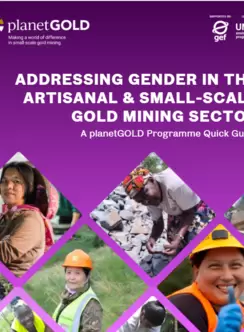
While women are active in the artisanal and small-scale gold mining (ASGM) workforce, they also typically face a range of gender-specific barriers that prevent their full participation. The planetGOLD programme is committed to supporting and creating sustainable opportunities that strengthen gender inclusiveness in ASGM. Country projects take several measures to ensure the active inclusion of women’s voices and concerns in all phases of their projects, from stakeholder engagement (such as project kick-off meetings, trainings, and steering committees) to special gender baseline studies and gender equity planning, to the design of specific
Secretariat of the Minamata Convention on Mercury
English
The aim of this guide is to reflect the existing best practices for engagement of Indigenous Peoples and for engagement of local communities in response to decision MC-5/7 paragraph 7.

Topics: