David Sturmes-Verbeek and Candice Jumwa, The Impact Facility
English
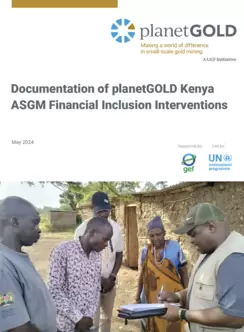
This case study documents the finance models implemented by the planetGOLD Kenya project in artisanal and small-scale gold mining (ASGM) communities, with a consideration of the gender aspects of the projects.
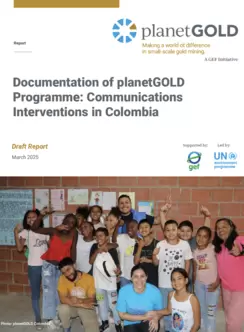
Communication is a cross-cutting theme across the planetGOLD programme. Strategic, inclusive communication and awareness raising practices play a critical role in educating miners and communities with artisanal and small-scale mining activities, while also helping build greater public support for transforming the ASGM sector with responsible, mercury-free mining practices. This draft report assesses the communication and awareness raising related interventions of the planetGOLD Colombia project.
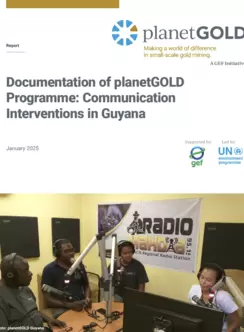
Strategic, inclusive communication and awareness raising practices play a critical role in educating miners and communities with artisanal and small-scale mining activities, while also helping build greater public support for transforming the ASGM sector with responsible, mercury-free mining practices. For these reasons, communication is a cross-cutting theme across the planetGOLD programme. This report assesses the communication and awareness raising related interventions of the planetGOLD Guyana project.
Yves Bertran Alvarez; Patience Singo; Alliance for Responsible Mining - for planetGOLD
EnglishFrenchSpanish
This report compiles five case studies highlighting innovative approaches to improving occupational safety and health (OSH) in artisanal and small-scale mining (ASM). Across different countries and contexts, these initiatives demonstrate practical strategies for addressing safety risks, enhancing working conditions, and fostering greater awareness among miners.
The report is available to download in English, French or Spanish.
Three additional related materials in this series on OSH and ASGM are included at the bottom of this page.
Strategic, inclusive communication and awareness raising practices play a critical role in educating miners and communities with artisanal and small-scale mining activities, while also helping build greater public support for transforming the ASGM sector with responsible, mercury-free mining practices. For these reasons, communication is a cross-cutting theme across the planetGOLD programme. This report assesses the communication and awareness raising related interventions of the planetGOLD Indonesia project.
Taylor Kennedy and Julia Keenan - for planetGOLD
EnglishFrenchSpanish
This report provides guidance for planetGOLD ASGM entities to conform with the planetGOLD Criteria for Environmentally and Socially Responsible Operations, specifically one criterion that requires ASGM entities to consult with and seek free, prior, and informed consent (FPIC) from any Indigenous or tribal community whose rights or lands may be impacted.
“Establishing financing and loan alternatives to promote the acquisition of mercury-free technologies in ASGM” organizes and reconstructs the existing information on financial inclusion in the responsible artisanal and small-scale gold mining sector in Peru, based on the experience of the planetGOLD Peru project. The publication seeks to make known the advances in financial inclusion issues within the ASGM sector to mining organizations, savings and credit cooperatives, financial institutions, civil society institutions, international cooperation, specialized technical personnel, and potential users of credits. También disponible en español.
Cristian Arias, and Kamila Gómez, Alliance for Responsible Mining
English
This case study documents the finance models implemented by the planetGOLD partner project in Ecuador in artisanal and small-scale gold mining (ASGM) communities, with a consideration of the gender aspects of the projects.
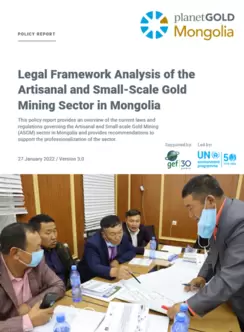
This policy report provides an overview of the current laws and regulations governing the Artisanal and Small-scale Gold Mining (ASGM) sector in Mongolia and provides recommendations to support the professionalization of the sector.
This case study gives an overview of a lease-to-purchase blended finance program developed by The Impact Facility for Sustainable Mining Communities (TIF) to provide equipment and foster sustainable mining practices in the ASGM sector of Western Kenya. This case study is part of a larger body of work documenting financial access interventions for the ASGM sector.


Knowledge areas: