This report provides brief summaries of each of the Global Forum sessions. Readers interested in more in-depth information are invited to visit the event page on the planetGOLD website.
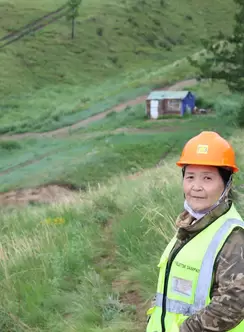
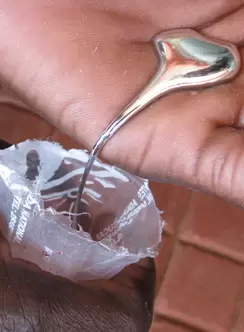
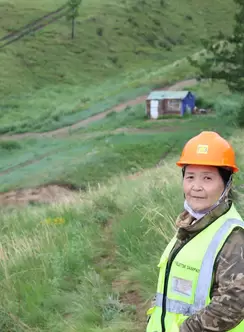
The planetGOLD Mongolia project was launched in 2019 and will continue until the end of 2023. The project contributes to the elimination of mercury in artisanal and small-scale gold mining (ASGM) and enhancing formalization of the sector. The project is a part of the planetGOLD Programme and to learn more, watch the full interview with Mongolian National Project Manager, Altanbagana Bayarsaikhan.
As part of their Lake Victoria Gold Programme, they developed a handbook guiding the continuous improvement of ASMO’s along what they refer to as an Impact Escalator.
This report has been prepared by the Artisanal Gold Council, the executing agency for the planetGOLD Mongolia project to develop an understanding of the status quo of the artisanal and small-scale mining sector in Mongolia, in particular to assess the current status of prevalent ASGM practices, attitudes and knowledge levels among relevant stakeholder groups in the project sites.





Topics: