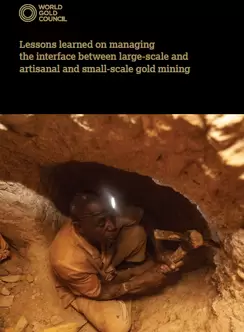
This report explores how large-scale gold mining companies are working with governments, civil society, and responsible ASGM entities to improve development outcomes, address human rights challenges, and reduce environmental damage. The report concludes that a key to progress is for governments to formalise responsible ASGM entities, giving them legal status and reducing their vulnerability to predatory middlemen, corruption or organised crime. The report urges the case for greater co-operation and dialogue between stakeholders to address the negative impacts of ASGM.
This briefing explains why governments, civil society and companies must introduce safeguards in advance of mineral exploration, to promote long-term, sustainable mine development.
The Responsible Mining Foundation has been tracking gender action by mining companies since 2016. The findings again show striking contrasts in what companies choose to focus on – gender balance in headquarter teams is quite widely addressed while gender in affected communities and in the workplace is largely ignored.
This report provides a critical review of the current evidence on occupational mercury exposures and health impacts, as well as highlighting key priority areas for action.
This research provides insights into the opportunities presented by technology as well as the pre-conditions and enabling environment required for technology to contribute effectively to responsible minerals production and sourcing. The report also addresses some limitations, emphasising the role of pre-existing processes, behaviours and stakeholder engagement in responsible minerals production and sourcing.
As in many ASM communities across the world, women working in Indonesia’s ASGM sector face many gender-specific challenges. These include unfair allocation of property rights and patriarchal social norms that can disadvantage them in pursuing ownership, education, enabling technologies, and secondary employment opportunities (CIRDI 2020). A case study.
This paper takes a critical look at how blockchain technology is currently being developed and used to advance due diligence in supply chains. It includes considerations for how responsible business conduct objectives can be integrated into emerging blockchain initiatives in a consistent and effective way.



Knowledge areas: