The event focused on past experiences in providing financial services to the sector, current models that are being piloted in the participating countries and an overview of the existing barriers that hamper the attraction of formal finance and investment.
Review materials and watch video recording from the virtual event to learn more about the technical document on mercury-containing tailings management in ASGM and discover the experience of Zimbabwe and Colombia with ASGM tailings management.
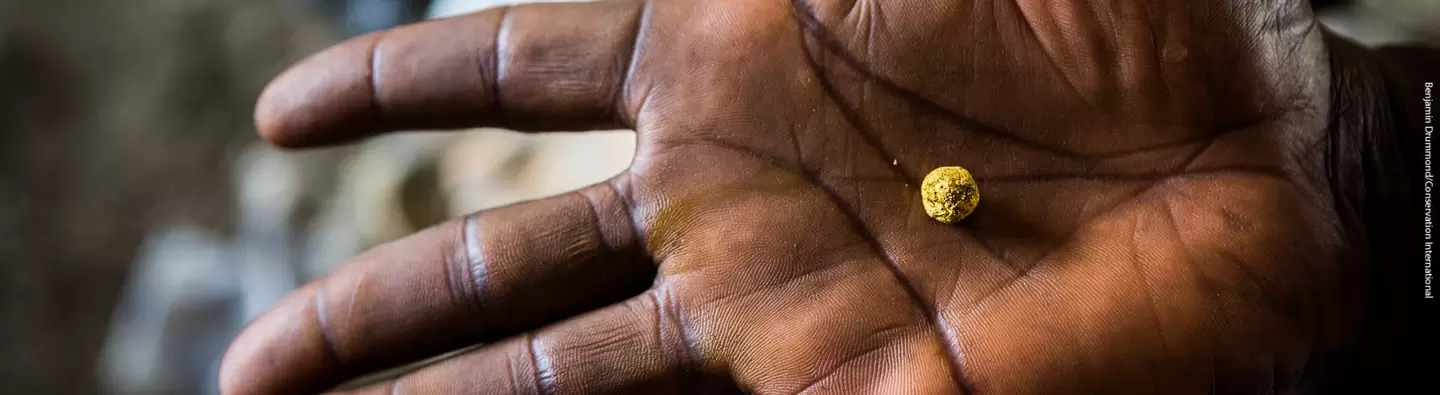
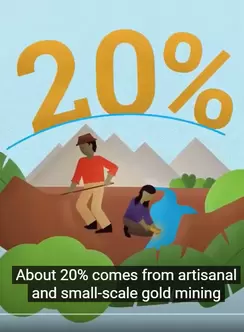
Most of us come in contact with gold on a daily basis. About 20% of that gold comes from millions of artisanal and small-scale gold miners around the world, whose livelihoods depend on this activity. But due to a lack of awareness or alternatives, many of these operations use toxic mercury to extract their gold.
Con un encuentro virtual se realizó la entrega oficial de equipos para la detección y monitoreo de mercurio en zonas mineras de las regiones del Cauca y Sur de Bolívar. Las Corporaciones Autónomas Regionales de Cauca y Sur de Bolívar contarán con herramientas para medir oportunamente el impacto de estas sustancia contaminante en los recursos de agua y suelo, y de esta manera tomar acciones frente a esta problemática.
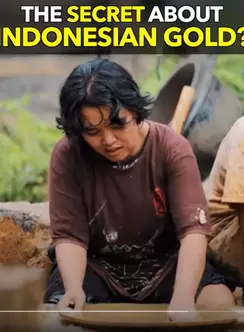
You have probably heard of the Indonesian gold and the miners. But not many people know how this gold is extracted and how it puts Indonesian lives in danger.
When the planetGOLD programme launched in 2019, the message to miners from leaders in the programme was: let's work together to build a pathway to mercury-free gold. Now, two years later, miners from some of the planetGOLD country projects have messages of their own for the programme and for the world. Hear from them in their own words what they want planetGOLD to deliver and how they want the world to see them.
This video spotlights project managers from each of planetGOLD's nine countries, discussing progress made in these key programmatic areas as well as the impacts of the COVID-19 pandemic and reflections on being part of the global programme.
In this virtual event held March 30, 2021, planetGOLD looked back at what has been accomplished since the global programme launched in 2019, and looked ahead toward plans for the future, including an expansion of the programme. Closed captions are available in English, French, and Spanish.

Knowledge areas: