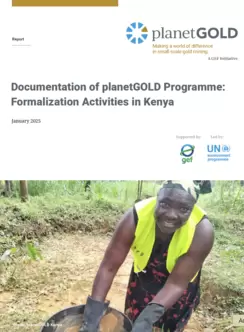
Formalization—the process of integrating ASGM into the formal economy, society, and regulatory system—is a critical step toward helping address environmental and social challenges in the artisanal and small-scale gold mining (ASGM) sector and and toward achieving the sector’s development potential. This report assesses the formalization-related interventions of the planetGOLD Kenya project.
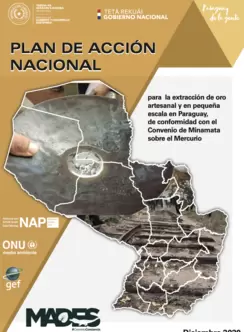
Este Plan de Acción Nacional se centra en áreas clave para reducir el uso de mercurio en el sector de la minería artesanal y de pequeña escala (MAPE) del oro, eliminar las peores prácticas y mitigar los impactos ambientales negativos.
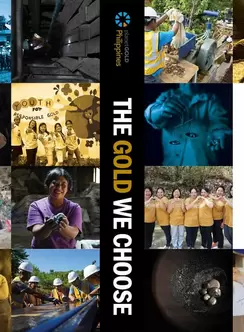
The Gold We Choose explores the legacy of the planetGOLD Philippines Project, capturing its milestones, partnerships, and the lives it has transformed. Through compelling stories from the ground, striking images of change, and the voices of miners, leaders, and communities, this book honors a sector often overlooked, yet vital to both local and national economies.
More than a record of achievements, it is a powerful testament to what becomes possible when people come together to build a small-scale gold mining industry that is mercury-free, safer, cleaner, and truly inclusive.
From the mining tunnels of Paracale to the highlands of Sagada, this
Vega, C. M., Pisconte, J. N., Torres, M., Garcia, C.M., Salcedo, K.D. & Fernandez, L. E.
Spanish
Este informe recopila antecedentes disponibles sobre la actividad de minería aurífera en la región Loreto y presenta resultados de las primeras investigaciones realizadas sobre la contaminación por mercurio. Asimismo, se muestran resultados de un estudio de línea base sobre los niveles de mercurio en muestras de cabello humano, peces y sedimentos procedentes de las cuencas del Nanay - Pintuyacu y Bajo Putumayo realizado en 2024.
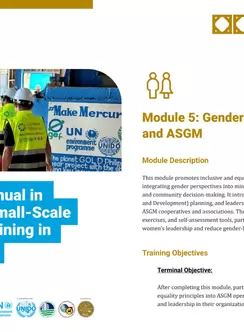
This module promotes inclusive and equitable participation in the ASGM sector by integrating gender perspectives into mining operations, organizational development, and community decision-making. It introduces gender analysis tools, GAD (Gender and Development) planning, and leadership development strategies tailored for ASGM cooperatives and associations. Through real-life case studies, participatory exercises, and self-assessment tools, participants will explore how to promote women’s leadership and reduce gender-based disparities.
This module familiarizes participants with the legal requirements and best practices for Tailings Storage Facility (TSF) handling in Philippine ASGM. Grounded in DAO99-32 and related regulations, it covers facility siting, design parameters, effluent standards, monitoring protocols, and permit obligations—enabling trainers to guide ASGM operators toward compliant, safe, and sustainable tailings management
Focused on protecting the health and lives of ASGM workers, this module addresses the physical and chemical risks associated with small-scale mining, especially those linked to mercury exposure. It provides participants with knowledge and skills in hazard identification, use of personal protective equipment (PPE), and emergency response protocols. Practical components include basic mine rescue drills and the creation of site-specific safety checklists. The module supports MGB’s commitment to promoting safe, dignified work in the sector.
This module strengthens the capacity of miners and cooperative leaders to run ASGM operations as sustainable businesses. Participants will learn entrepreneurial skills, basic cooperative registration procedures, and how to prepare and manage financial records. The training also introduces tools for financial planning and reporting, and explores strategies for engaging with financial institutions and potential investors. Emphasis is placed on transparency, accountability, and sound decision-making for both individual miners and mining cooperatives.
This module introduces participants to the legal and institutional framework governing ASGM sector in the Philippines. It covers the salient features of national laws, such as RA 7076 and RA 7942, as well as relevant administrative orders and local permitting processes imposed by local government units (LGUs).Participants will also explore international standards and conventions like the Minamata Convention and OECD Due Diligence Guidelines and how they relate to national policies and compliance requirements. The session concludes with a practical walkthrough of the formalization process, focusing on the steps needed to establish and sustain
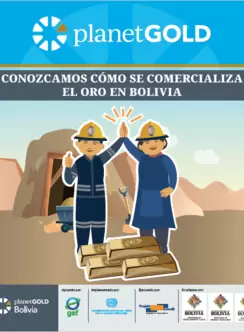
El 99.4% del oro de Bolivia proviene de la MAPE (Minería Artesanal y de Pequeña Escala) y gran parte del oro se comercializa a través de intermediarios, lo que genera precios bajos, poca trazabilidad y pérdida de regalías para el Estado.
La comercialización responsable del oro propone hacerlo mediante canales formales y certificados, garantizando: ✅ Mejores precios ✅ Acceso a mercados internacionales ✅ Reconocimiento por trabajar de manera sostenible
Conoce más sobre cómo la exportación responsable y las certificaciones internacionales como Fairmined, Fairtrade y CRAFT pueden abrir nuevas oportunidades para los productores bolivianos.



Knowledge areas: