One of the GOLD-ISMIA objectives is to avoid 15 tonnes of mercury through the introduction of Best Environment Practices (BEP), Best Available Technology (BAT) and socially and environmentally sound Artisanal and Smallscale Gold Mining (ASGM) practices where the Project will establish 1 mercury-free processing plant and 5 small mobile plant. The decision of implementation BEP and BAP at each of mining site will be depending upon the result of socio-economic baseline survey (including collection of sex-disaggregated data) and mercury/gold mass balance inventories.
One of the GOLD-ISMIA objectives is to avoid 15 tonnes of mercury through the introduction of Best Environment Practices (BEP), Best Available Technology (BAT) and socially and environmentally sound Artisanal and Small-scale Gold Mining (ASGM) practices where the Project will establish 1 mercury-free processing plant and 5 small-mobile plant. The decision of implementation BEP and BAP at each of mining site will be depending upon the result of socio-economic baseline survey (including collection of sex-disaggregated data) and mercury/gold mass balance inventories.
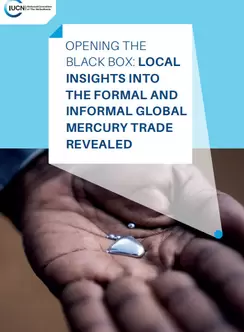
A combination of factors is driving the continued use of mercury, including the lucrativeness of the trade, the informality of the ASGM sector, the poverty of many miners and the power imbalance between many traders and miners. Mercury governance within the investigated countries has potential for improvement. To tackle the mercury problem, action should be taken that addresses the problem from all angles and takes all key stakeholders into account. The report is a compilation of findings from investigations that IUCN NL’s local partner organisations carried out. More detailed findings for each country can be found in the respective country
Susan Keane, Ludovic Bernaudat, Kenneth J. Davis, Malgorzata Stylo, Nellia Mutemeri, Patience Singo, Pontsho Twala, Itai Mutemeri, Anne Nakafeero, Imelda Dossou Etui
English
This paper presents an overview of new data, derived from Minamata ASGM National Action Plan submissions, that can contribute to refining estimates of mercury use in ASGM, and then assesses technologies that can support the phase out mercury use in ASGM while increasing gold recovery.
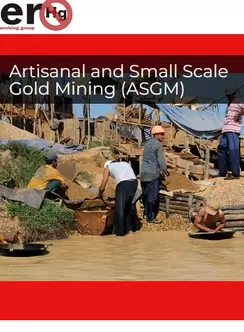
The Zero Mercury Working Group (ZMWG) is an international coalition of more than 110 public interest environmental and health non-governmental organizations from over 55 countries from around the world formed in 2005 by the European Environmental Bureau and the Mercury Policy Project. ZMWG strives for zero supply, demand, and emissions of mercury from all anthropogenic sources, with the goal of reducing mercury in the global environment to a minimum.
This update to the Global Mercury Assessment 2013 provides the most recent information available for the worldwide emissions to air, releases to water, and transport of mercury in atmospheric and aquatic environments.
Diane Bune,
Ardiana Ekawanti,
Baiq Dewi Kirsnayanti - GOLD-ISMIA (planetGOLD Indonesia)
English
This comic book was produced by the planetGOLD Indonesia project for young audiences as an educational tool on the dangers of exposure to mercury used in ASGM
This document provides an overview of the interventions that have been carried out across the planetGOLD programme as of June 2023 to advance responsible mining and eliminate mercury from the ASGM gold supply chain, through technology transfer, technical support, training, and sharing knowledge on best practices in mercury-free gold processing.
John E. Gray, Victor F. Labson, Jean N. Weaver, David P. Krabbenhoft
English
The authors measured total mercury and methyl-mercury concentrations in sediment and water collected from artisanal gold mines and these are the first mercury speciation data from such mines in Suriname.
This comic book was produced by the planetGOLD Indonesia project for young audiences and as an educational tool for school teachers to use, raising awareness about the dangers of exposure to mercury used in artisanal and small-scale gold mining.





Countries: