
Artisanal and small-scale gold mining provides direct employment to about 600,000 people in Madagascar, of which approximately 37 percent are women, and indirect employment to 2.5 million people.
Artisanal and small-scale gold mining (ASGM) takes place in 388 of Madagascar's 1,670 municipalities, with annual gold production in the ASGM sector estimated at 14 tonnes per year. The use of mercury, estimated at 18 tonnes per year, is a widespread practice that harms the health of miners and surrounding communities. Despite existing regulations, ASGM has caused significant environmental degradation in Madagascar, including deforestation, land degradation, destruction of wetlands, loss of biodiversity, and chemical pollution.
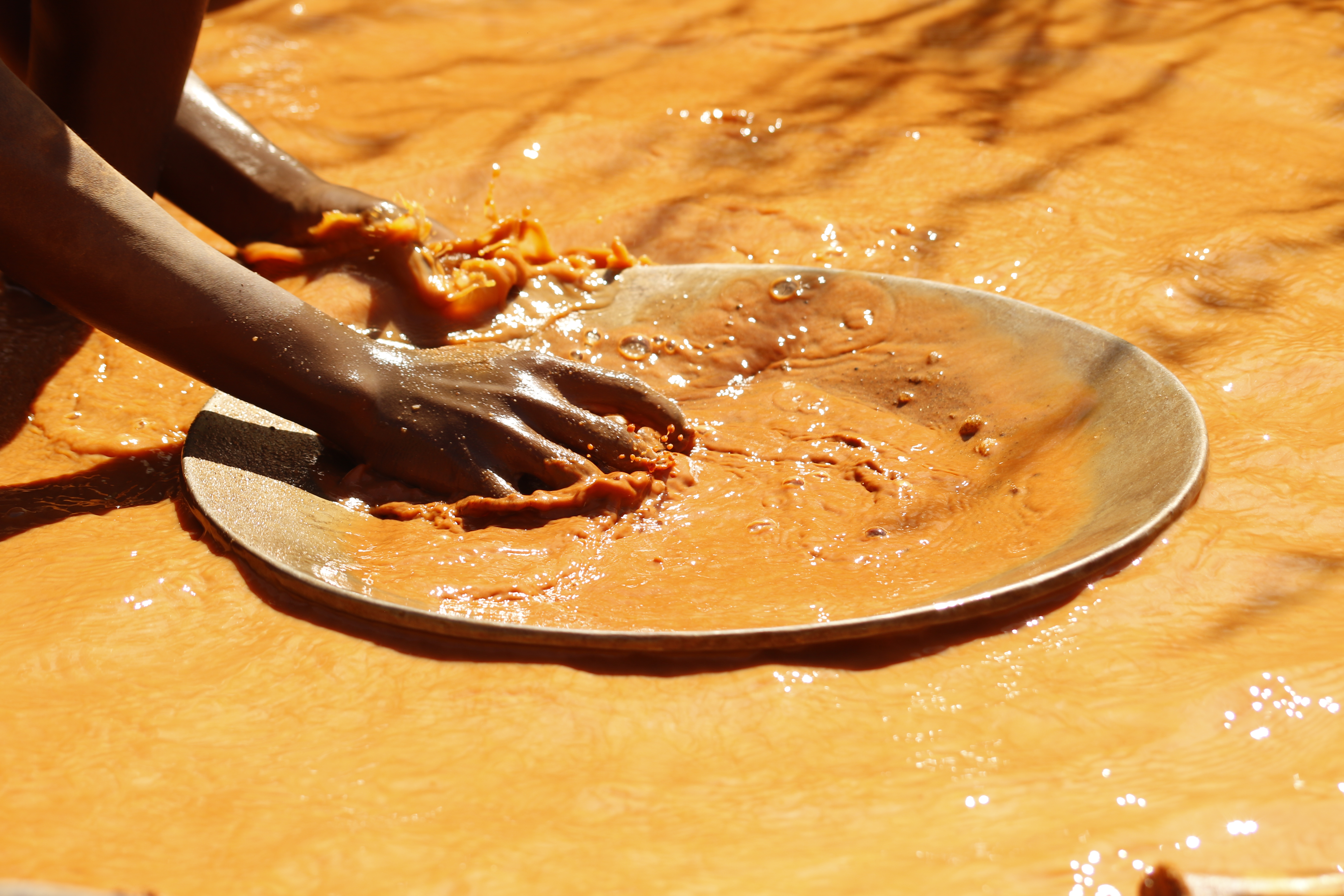
Informality in the ASGM sector is a key challenge, making interventions to protect human health and the environment more difficult. Informal mining is highly mobile, dispersed, and often isolated, posing significant challenges to the ability of national authorities to monitor and enforce existing regulations. Most artisanal miners are also outside the formal financial system. Increasing opportunities for ASGM operators to access formal financing would be a major factor in helping them make the transition to mercury-free, fully regulated operations.
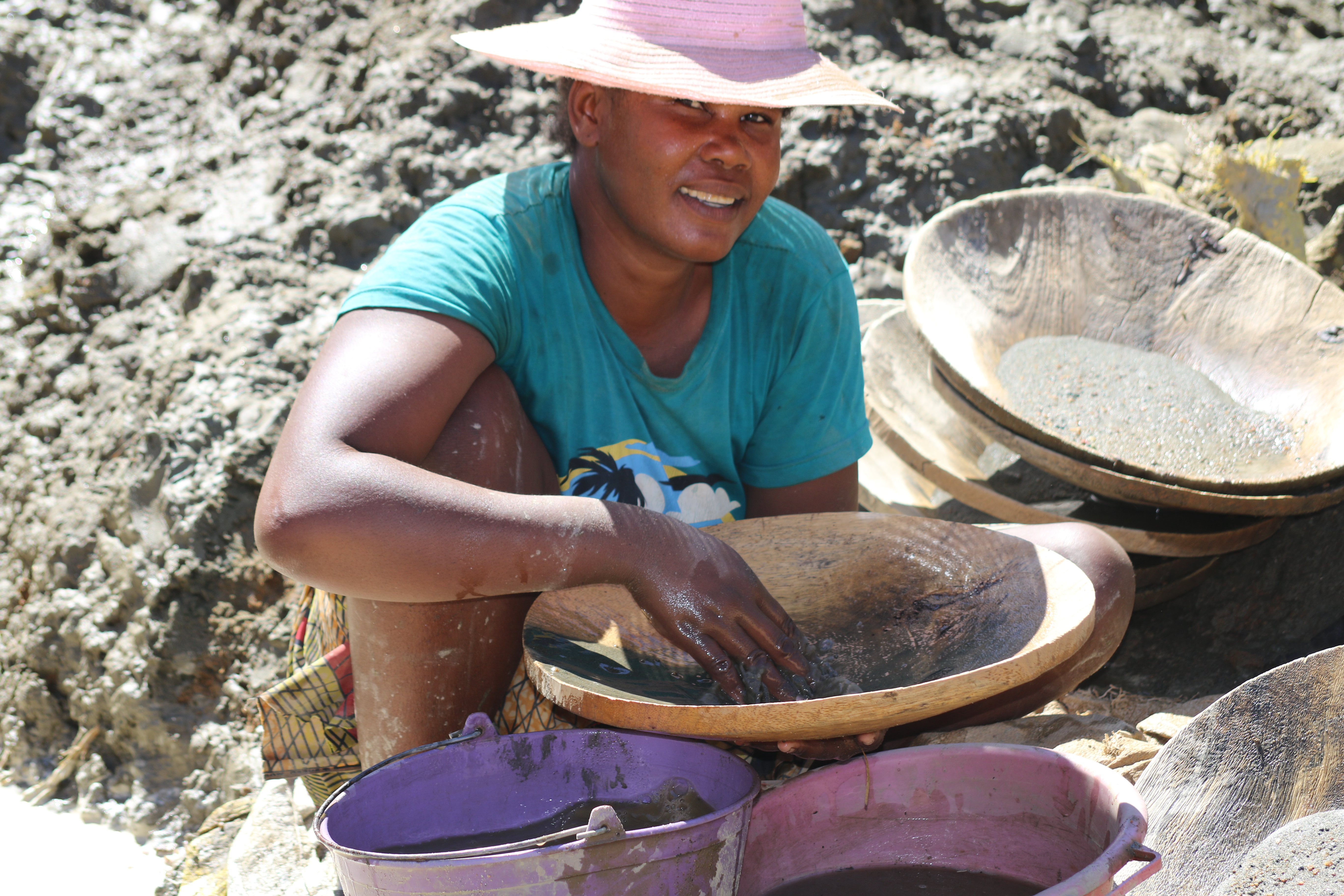
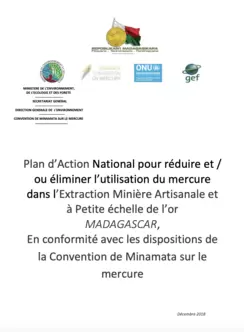
Madagascar was the first country in the world to complete a National Action Plan (NAP) on ASGM. The NAP establishes specific national targets, strategies and activities that guide the national effort to promote sustainable development and reduce mercury use in ASGM. The planetGOLD Madagascar project builds on the recommendations of the NAP to reduce and eventually eliminate the use of mercury in ASGM.
Key Figures from Madagascar
-
600,000 people directly involved in ASGM
-
14 tonnes estimated annual gold production from ASGM
-
18 tonnes estimated annual mercury use from ASGM
-
1st country to submit a Minamata Convention ASGM NAP
Madagascar's Approach
This planetGOLD Madagascar project aims to formalize the ASGM sector through a multi-sectoral, integrated approach and to increase access to financing, leading to the adoption of sustainable mercury-free technologies and increased market access for miners.
The planetGOLD Madagascar project plans to benefit more than 18,000 people, reducing mercury use by five tonnes over the course of the five-year project.
Key Strategies

Optimize formalization of | 
Promote financial inclusion and |

Enhance uptake of | 
Share knowledge and support |
Resources
News
News
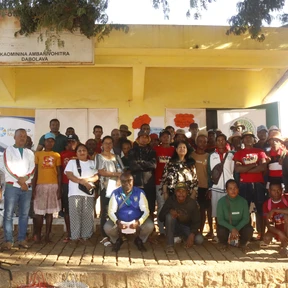
planetGOLD Madagascar renforce son accompagnement des communautés minières artisanales à Dabolava et Antanimbary
News
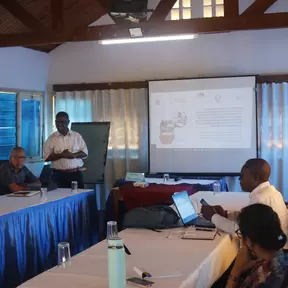
Formation du personnel central de l’Unité de Gestion du Projet (UGP) ainsi que des membres concernés du Comité National de Mise en œuvre de la Convention de Minamata.
News
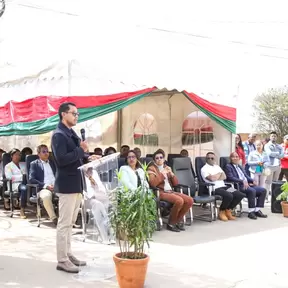
planetGOLD Madagascar : des équipements modernes pour protéger la santé et l’environnement
News
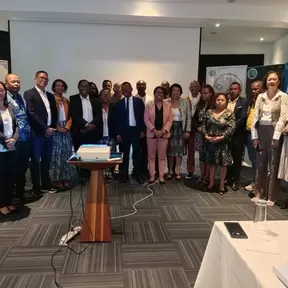
Deuxième réunion de Comité de Pilotage (COPIL) du projet planetGOLD Madagascar
News
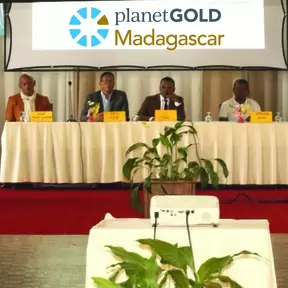
Atelier de validation nationale des documents stratégiques du projet planetGOLD Madagascar
News
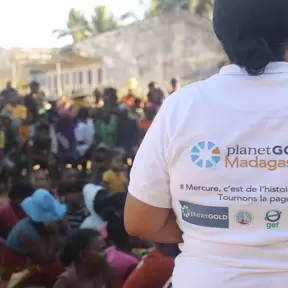
Réunion de validation nationale des documents des stratégies nationales et plans de communication et de formation
- un document des stratégies nationales de communication et plan de communication ;
- un document des stratégies nationales de formation et le plan de formation
Other planetGOLD countries
planetGOLD project sites in Madagascar