

News
25 January 2024
Countries:
-
 National Communications Specialist - planetGOLD Mongolia
We are working toward the formalization and professionalization of the artisanal and small-scale gold mining (ASGM) sector in Mongolia, including the elimination of mercury use in gold processing. Collaborating with stakeholders along the gold supply chain – miners, gold traders, local and national governments, as well as civil society – allows us to sustainably improve artisanal mining operations as an important economic opportunity for remote communities, strengthen regulations governing the sector, and enhance the formalization and professionalization of ASGM in Mongolia. For regular project updates, follow us on Facebook, Twitter/X, and LinkedIn.
In the fourth quarter’s edition, we are excited to share:
- ASGM forum sheds light on challenges in ASGM legal environment
- Comprehensive environmental rehabilitation training
- Supporting initiatives by the gender focal points
- Bringing awareness on access to finance and formal markets
- Successful participation to the Minamata Convention COP-5
- Launch of the online system for toxic and hazardous chemicals registration
Let’s dive in!
ASGM FORUM SHEDS LIGHT ON CHALLENGES IN ASGM LEGAL ENVIRONMENT
The Parliament of Mongolia is planning to discuss the Minerals Law amendment, and key clauses recognizing the ASM sector have been removed from the current draft. This has alarmed many ASM sector stakeholders, including mining associations and more than 40,000 artisanal miners working in 19 of Mongolia's 21 provinces. As a result, in collaboration with the Ministry of Environment and Tourism (MET) of Mongolia, the local governments of three project provinces, and the Mongolian ASM National Federation (ASM NF), the planetGOLD Mongolia project has organized ASGM Fora in three project locations, with the last forum held in October 2023 in Selenge province. The forum aimed to create a platform for various sector participants—government officials, the ecological policy unit, and artisanal miners—to discuss the sector condition and implementation of newly approved ASM regulations, as well as the consequences that may arise from the elimination of key clauses recognizing the ASM sector from the Minerals Law.
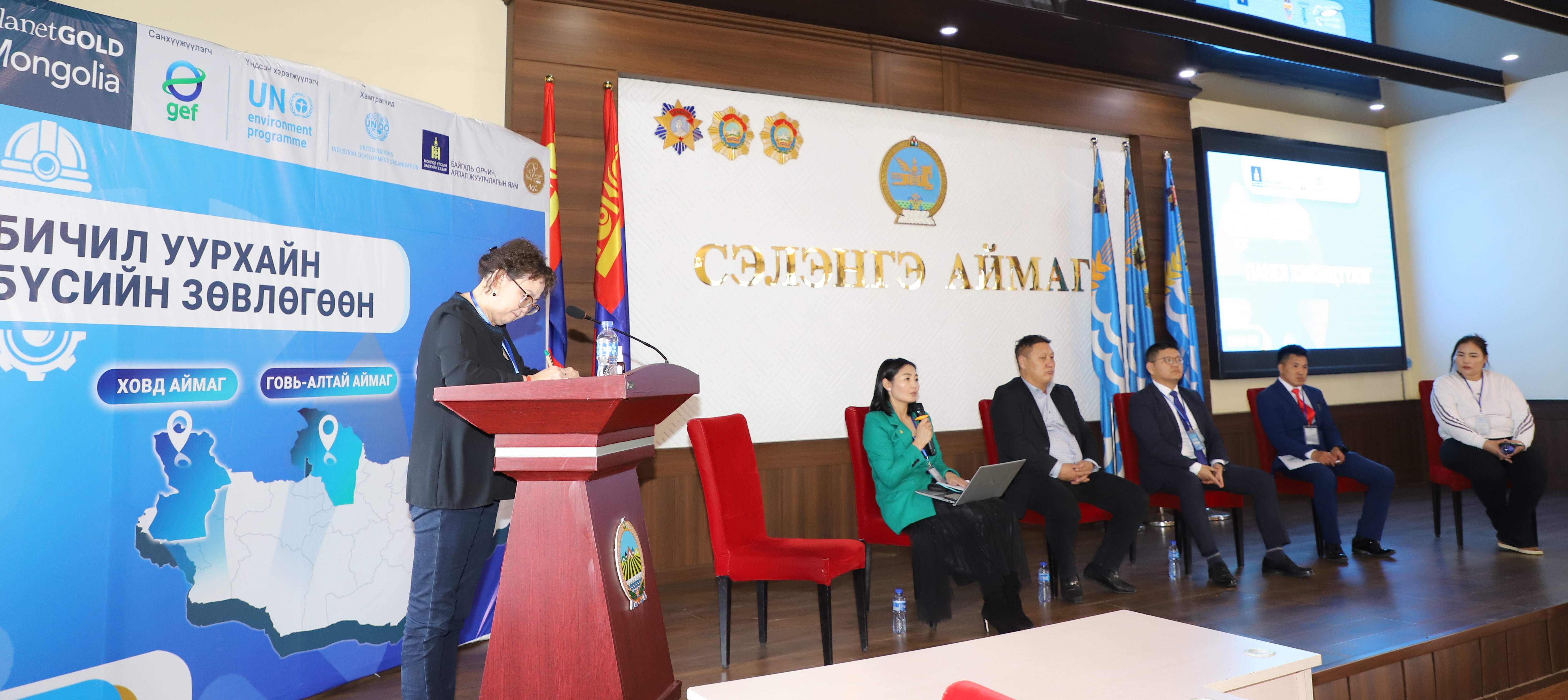
As same as previous two series held in Khovd and Gobi-Altai provinces, the participants highlighted that the artisanal mining sector can be considered a growing sector as it is a upstream actors in the gold supply chain, providing livelihoods and economic opportunities, and at the same time, there is an opportunity to reduce many of the risks caused by illegal mining through ASM formalization. Also, the forum reached the conclusion that the elimination of the key ASM clauses from the Minerals Law could lead to numerous adverse effects, including an increase in illegal gold trade, a decrease in gold traceability, and a worsening of environmental damage. Furthermore, as was the case in 2019, there is a significant risk that Mongolia may "fall into" the Financial Action Task Force's (FATF) grey list, which has asked Mongolia to make its gold trade more transparent. The outcomes of the three forums will be communicated to relevant government agencies in as a recommendation for further consideration. The project developed a blog post on the ASGM Fora, titled “Growing Artisanal and Small-Scale Mining Sector Despite Ups and Downs”, and published it on the Mining Insight Magazine, a prominent magazine in the Mongolian mining sector, in both Mongolian and English. 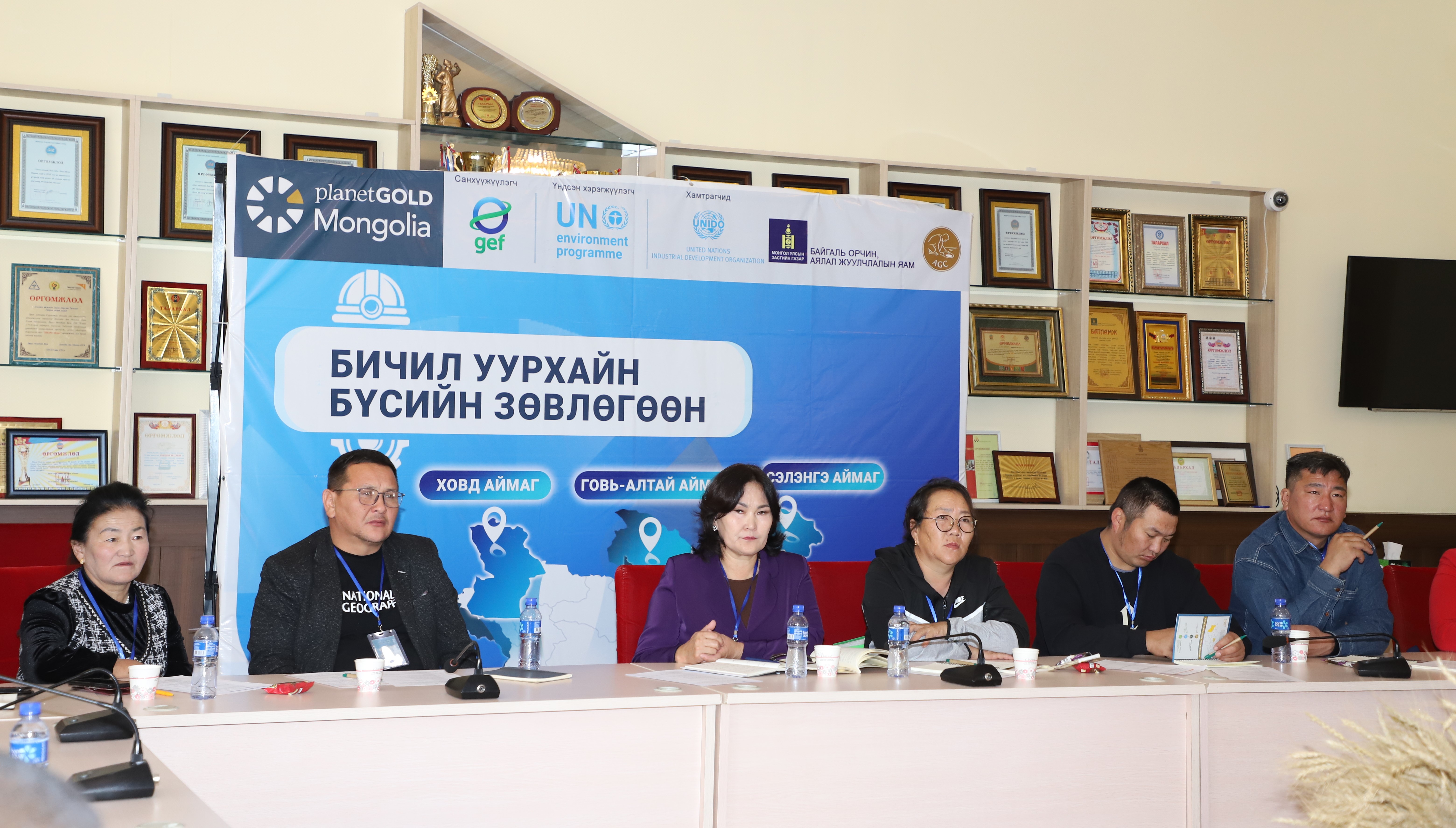
|
COMPREHENSIVE ENVIRONMENTAL REHABILITATION TRAINING
Based on the needs and requests from the local Environment Inspection Division, the planetGOLD Mongolia project organized 2-day essential training for artisanal miners to build their capacity on comprehensive rehabilitation to support the formalization and professionalization of the ASGM sector. On the first day, participants learned about the ASM-specific Rehabilitation Guidelines and acquired practical knowledge in developing a rehabilitation land plan and estimating the expenses involved. As the ASM regulation requires artisanal gold miners to carry out rehabilitation after mining activities, the training was crucial in terms of implementing regulation and better mining practices. On second day, artisanal miners and local government officials were equipped with hands-on knowledge and best practices of tree planting and nursery management, and their cluster business opportunities for the environmental management and biological rehabilitation, as well as complementary livelihood purposes. As a part of the training, a visit to local model nursery was organized to enable participants to reinforce and practice their learnings in the field. In 2021, Mongolian President Khurelsukh Ukhnaa launched the One Billion Trees national movement, to which the government has been committed. The project team is delighted to be able to contribute to the nationwide initiative by building capacity of artisanal miners for greater impact in ASGM communities. 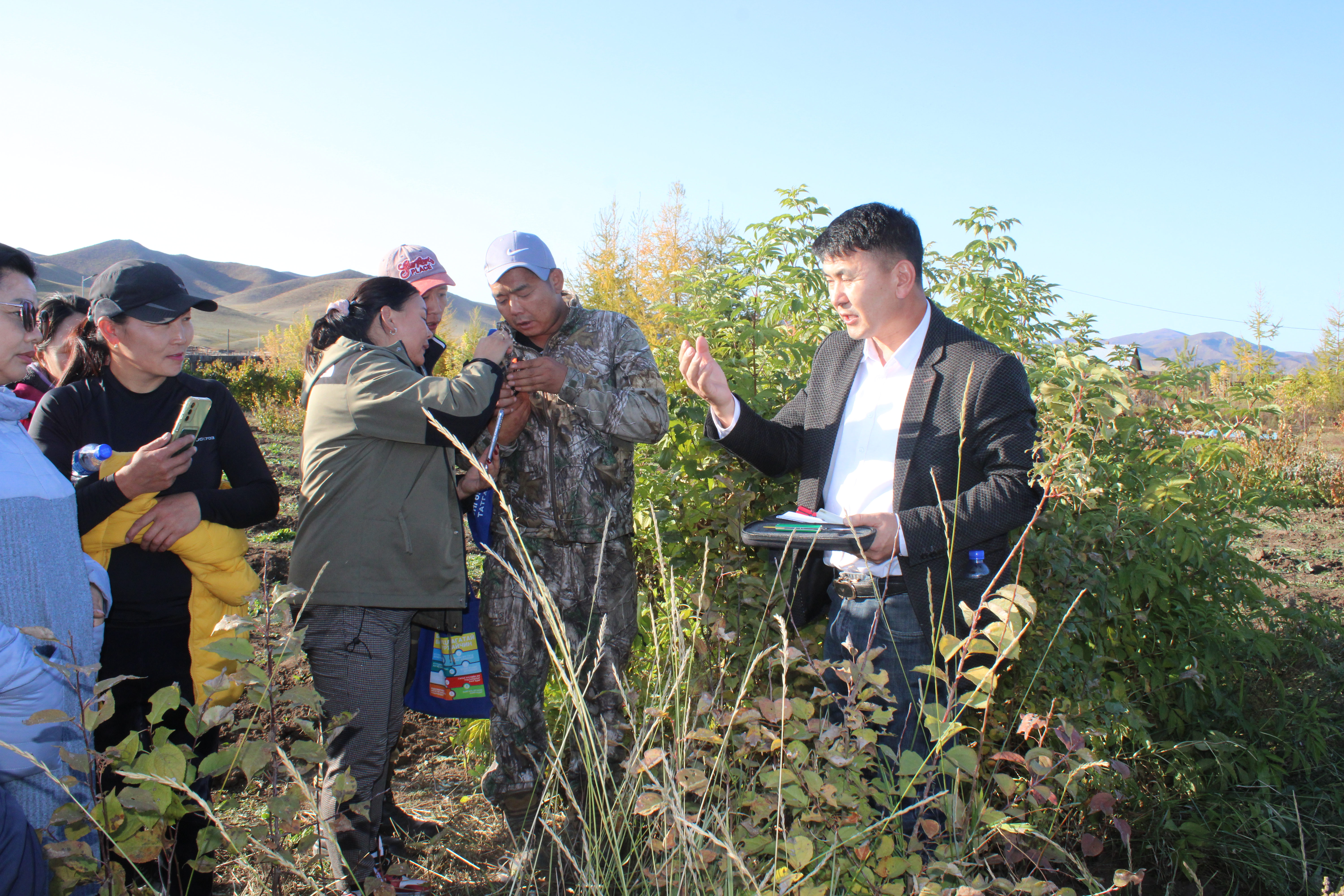
|
SUPPORTING INITIATIVES BY THE GENDER FOCAL POINTS
planetGOLD Mongolia trained Gender Focal Points (GFPs) in 2022 to help them act as human rights and gender equality advocates and activists in the project sites. To further support their gender-related initiatives, the project provided a small support program as a follow-up activity. Accordingly, Selenge GFP Ms.Tuya Damdinjamts realized her initiative Wholeheartedly in November 2023 to improve the overall well-being and sustainability of ASM operations in Mandal soum and Tunkhel village, Selenge province. Her initiative has 2 sub-activities, namely; i) Needs-based health screenings for 30 miners (15F/15M) and ii) Early Kharaachuud breakfast meeting to create a platform to bridge between local government officials and artisanal miners (12F/8M) to voice their concerns and issues to the local policymakers. Both of her sub-activities were perceived well by artisanal miners and greatly contributed towards gender-responsive healthcare delivery and community-building purposes.
As a result of health screenings, all 30 miners were found to have different types of diseases and illnesses and were referred to the relevant specialist care for follow-ups. This sub-activity was perceived well by artisanal miners and helped the participants to have baseline medical records and proceed with the specialist care they needed. In the end, the General Medical Practitioner signed on their examination sheets and provided hands-on consultations on the potential next steps.
BRINGING AWARENESS ON ACCESS TO FINANCE AND FORMAL MARKETS
In partnership with the Bank of Mongolia (BoM), the planetGOLD Mongolia project organized a discussion meeting on "Enhancing Artisanal Miners' Access to Financial Opportunities" to discuss the sector's present challenges and possible solutions, as well as exploring paths for miners to gain access to financial services. Representatives from the BoM, the Financial Regulatory Commission (FRC), the Mongolian Bankers Association (MBA), ASM NF, and six commercial banks attended to the meeting and openly discussed the unique circumstances and challenges faced by the artisanal mining sector. Additionally, the representatives from the six commercial banking institutions shared their perspectives regarding the risks associated with investing into the artisanal mining sector as well as possible solutions to de-risk them.
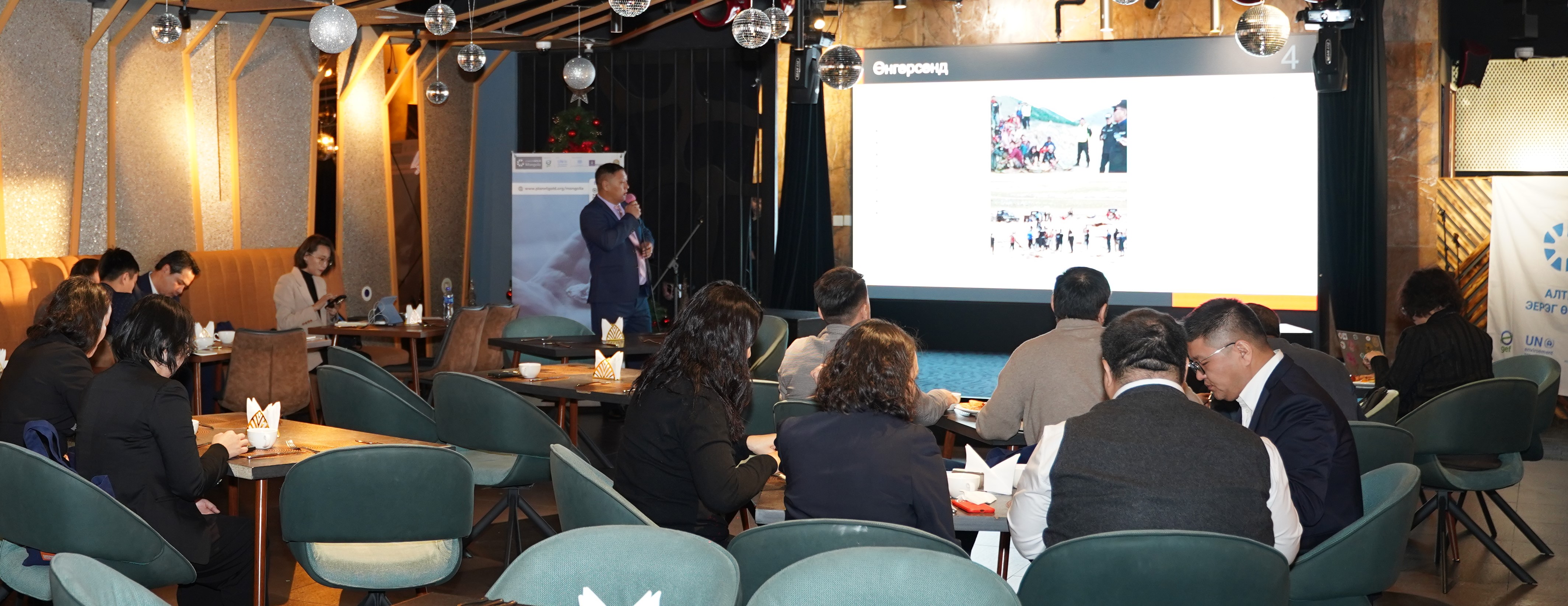
On another occasion, the project developed a Social Investment Plan for the Shijir Khishig Partnership, which operates in Mandal soum, Selenge province, Mongolia, to expand ASMO's investment options. The above plan will serve as a blueprint for the partnership's future investment proposals, making it a significant tool for achieving their goals and attracting potential investors. Last but not least, the project created two animation videos within the efforts to raise public awareness of gold supply chain and promote traceable, responsible and formal artisanal mining practices. The first animation video highlights the importance of the gold traceability and its implications on the end-users while the second video sends messages to the artisanal and small-scale miners on why it is essential for them to be formalized and operate responsibly. Please watch the videos from the below links. |
SUCCESSFUL PARTICIPATION TO THE MINAMATA CONVENTION COP-5
The fifth meeting of the Conference of the Parties to the Minamata Convention on Mercury (COP-5) was held in Geneva, Switzerland, from 30 October to 3 November 2023, with over 800 participants, including representatives from Parties, non-parties governments, intergovernmental organizations, UN bodies, and NGOs. Mr. Ganbaatar Myagmarjav, Deputy Minister of Environment and Tourism (MET) of Mongolia and Chair of the planetGOLD Mongolia project's Steering Committee, along with other officials, attended as a representative of Mongolia. Representatives from the planetGOLD Mongolia project and the Artisanal Gold Council, the project's executing agency, also attended the COP-5 and promoted not only the project, but the entire planetGOLD program, through a number of scheduled and informal meetings. 
|
Read the reflection on COP-5 of Mr. Rene Roger Tissot, Executive Director of the Artisanal Gold Council and Project Manager of planetGOLD Mongolia
Reflection on Minamata COP-5: Roger Tissot, Project Manager at planetGOLD Mongolia | planetGOLD
Read the reflection on COP-5 of Ms. Khishgee Dondov, planetGOLD Mongolia Field Coordinator
LAUNCH OF THE ONLINE SYSTEM FOR TOXIC AND HAZARDOUS CHEMICALS REGISTRATION
The MET developed a comprehensive registration information online system that provides relevant ministries and agencies with applicable information about toxic and hazardous chemicals. The planetGOLD Mongolia project supported the MET to develop this registration system, not only in accordance with the project objectives of eliminating and preventing mercury usage, but also in accordance with the Minamata Convention on Mercury obligations.
The system will contain information about licensed enterprises and organizations for toxic and hazardous chemicals, a list of toxic and hazardous chemicals, and other relating information and data. Through this online system, the project is publishing IEC materials and knowledge products created by the project and the program to the public, government organizations, and artisanal miners.
Knowledge Areas: