
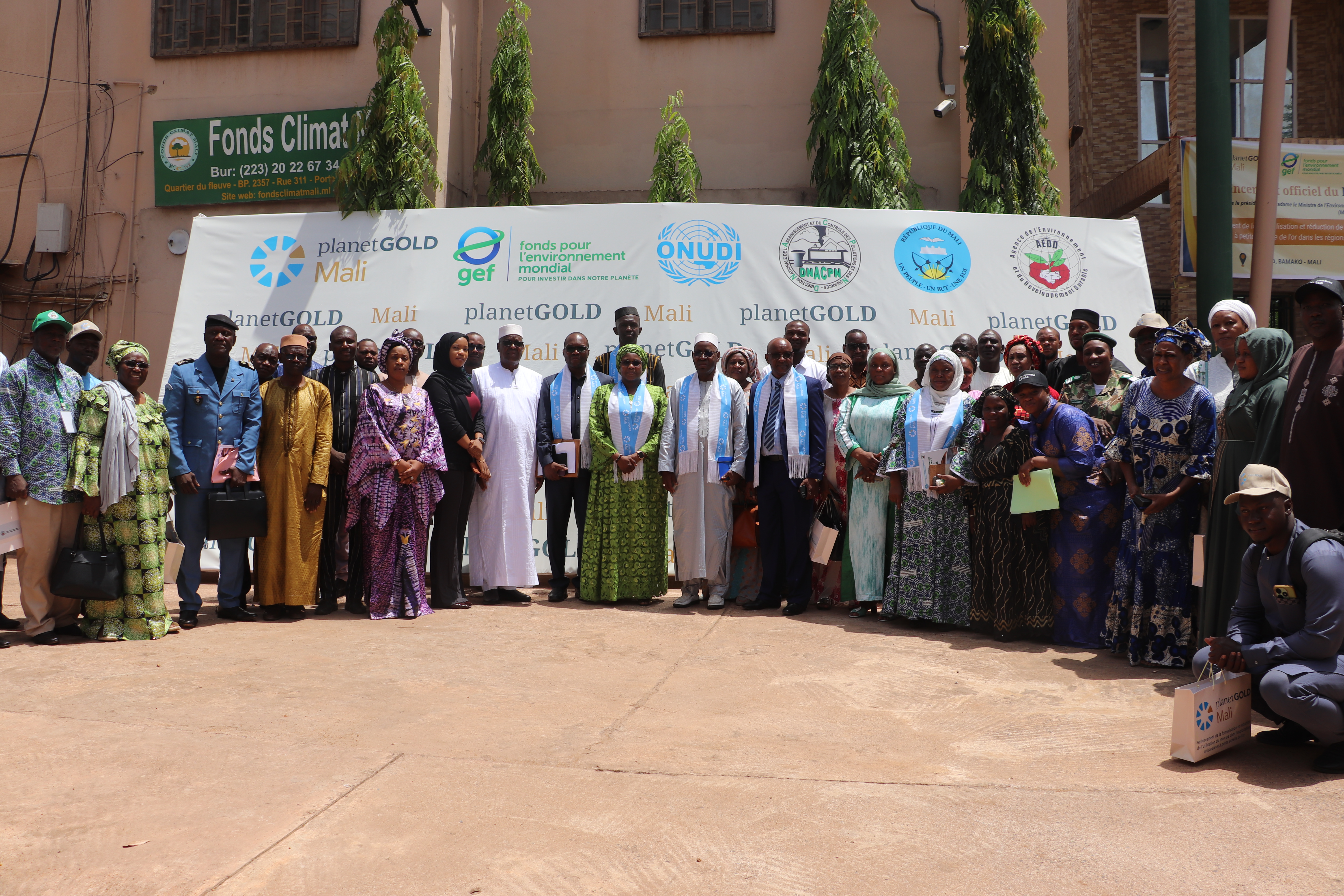
The planetGOLD Mali project will support the formalization of the artisanal and small-scale gold mining sector, promote mercury-free technologies, and improve the livelihoods of more than 500,000 people who depend directly or indirectly on artisanal gold.
News
28 August 2026
Countries:
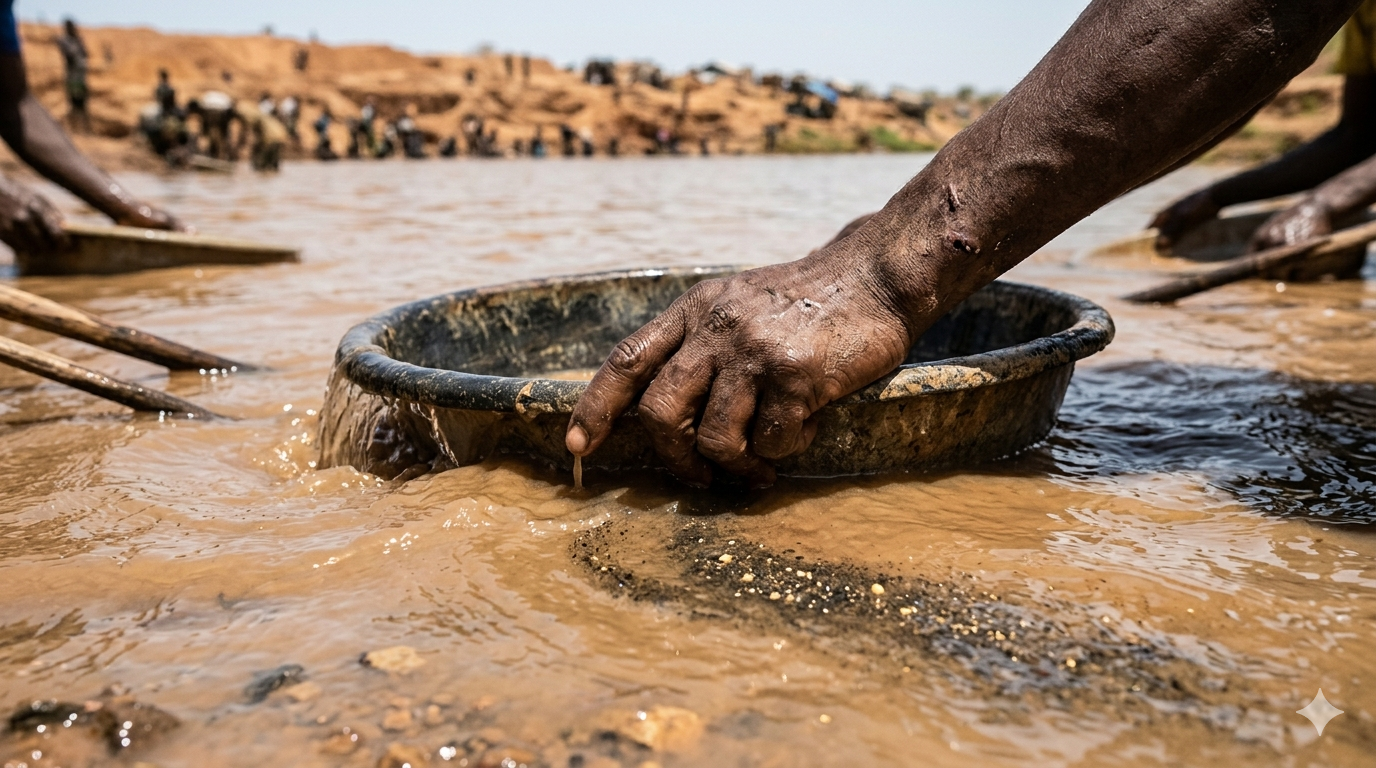
Artisanal and small-scale gold mining plays a vital role in Mali’s economy, providing an important source of income for more than 500,000 people who depend directly or indirectly on the sector. Mining activities are concentrated in several regions, including Bougouni, Kayes, Koulikoro, and Sikasso, where women play an active role throughout the gold value chain and make significant contributions to local economies.
Despite its socio-economic importance, the sector remains largely informal. Limited access to finance, insufficient technical support, weak traceability systems, and challenges in implementing existing regulations continue to hinder its sustainable development. Mercury use estimated at approximately 33 tonnes annually, despite existing restrictions remains one of the sector’s most pressing environmental and public health challenges, posing serious risks to miners, surrounding communities, and ecosystems.
With funding of CFAF 2.85 billion from the Global Environment Facility and a duration of five years, the planetGOLD Mali project aims to reduce mercury use in artisanal and small-scale gold mining, improve the incomes of mining communities, strengthen access to responsible gold markets, and protect both human health and the environment.
The project will support the formalization of the ASGM sector, improve access to finance for miners and mining enterprises, promote responsible gold supply chains, and accelerate the adoption of mercury-free gold processing technologies. It also contributes directly to Mali’s implementation of the Minamata Convention on Mercury and supports the country’s broader sustainable development priorities.
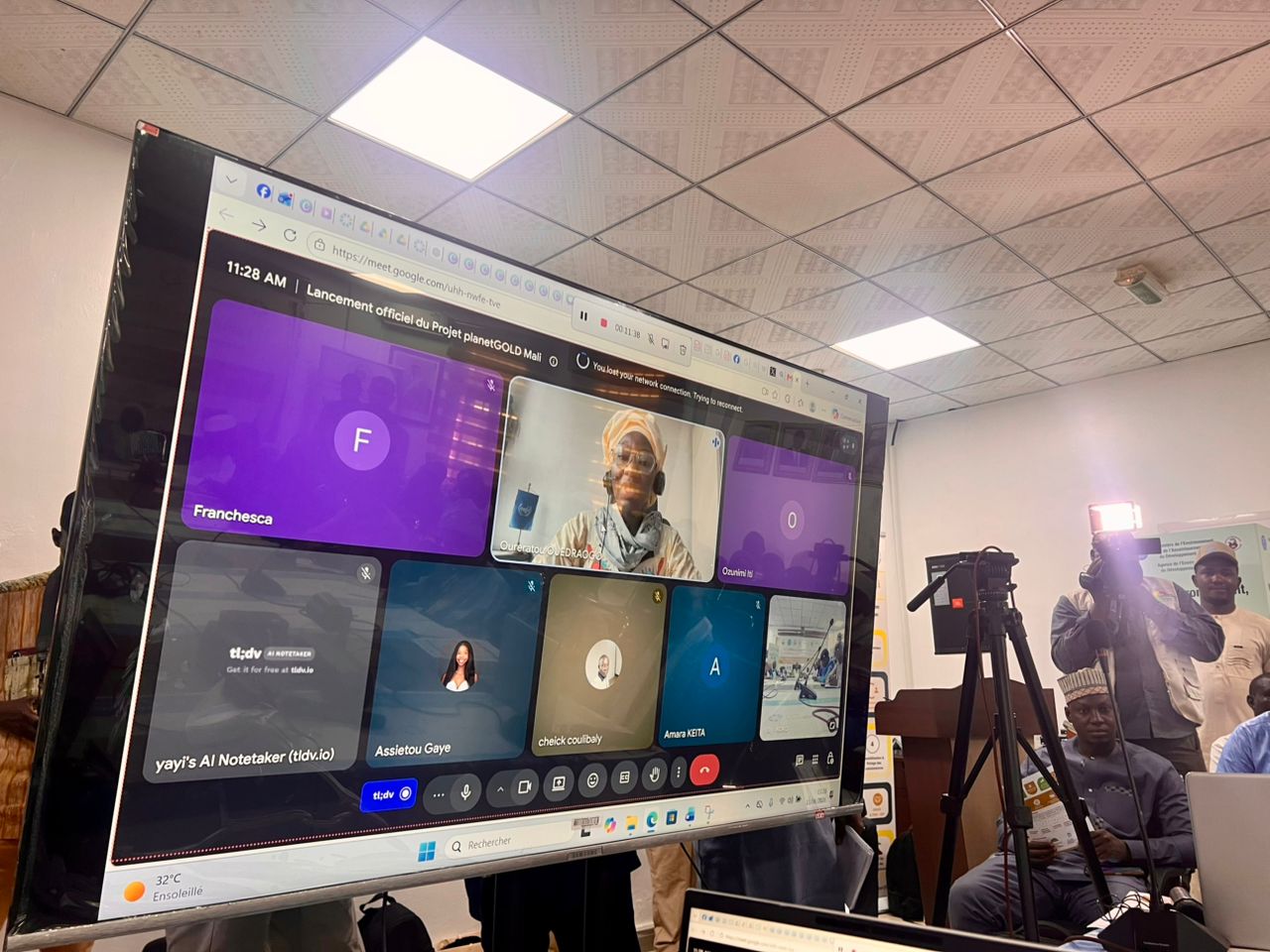
“The planetGOLD Mali project marks a decisive step in supporting Mali’s transition towards a formalized, competitive, and environmentally responsible artisanal gold mining sector. Through innovation, partnerships, and capacity building, we can help build a more sustainable gold sector that benefits communities and future generations,” said Ms. Oureratou OUEDRAOGO, UNIDO Representative in Burkina Faso.
The launch of the project reflects the Government of Mali’s commitment to placing sustainability and equity at the heart of its mining policy. By strengthening national and local institutional capacities, the project will contribute to more transparent and inclusive mining governance, while creating greater opportunities for women, who remain underrepresented in formal decision-making processes and economic opportunities within the sector.
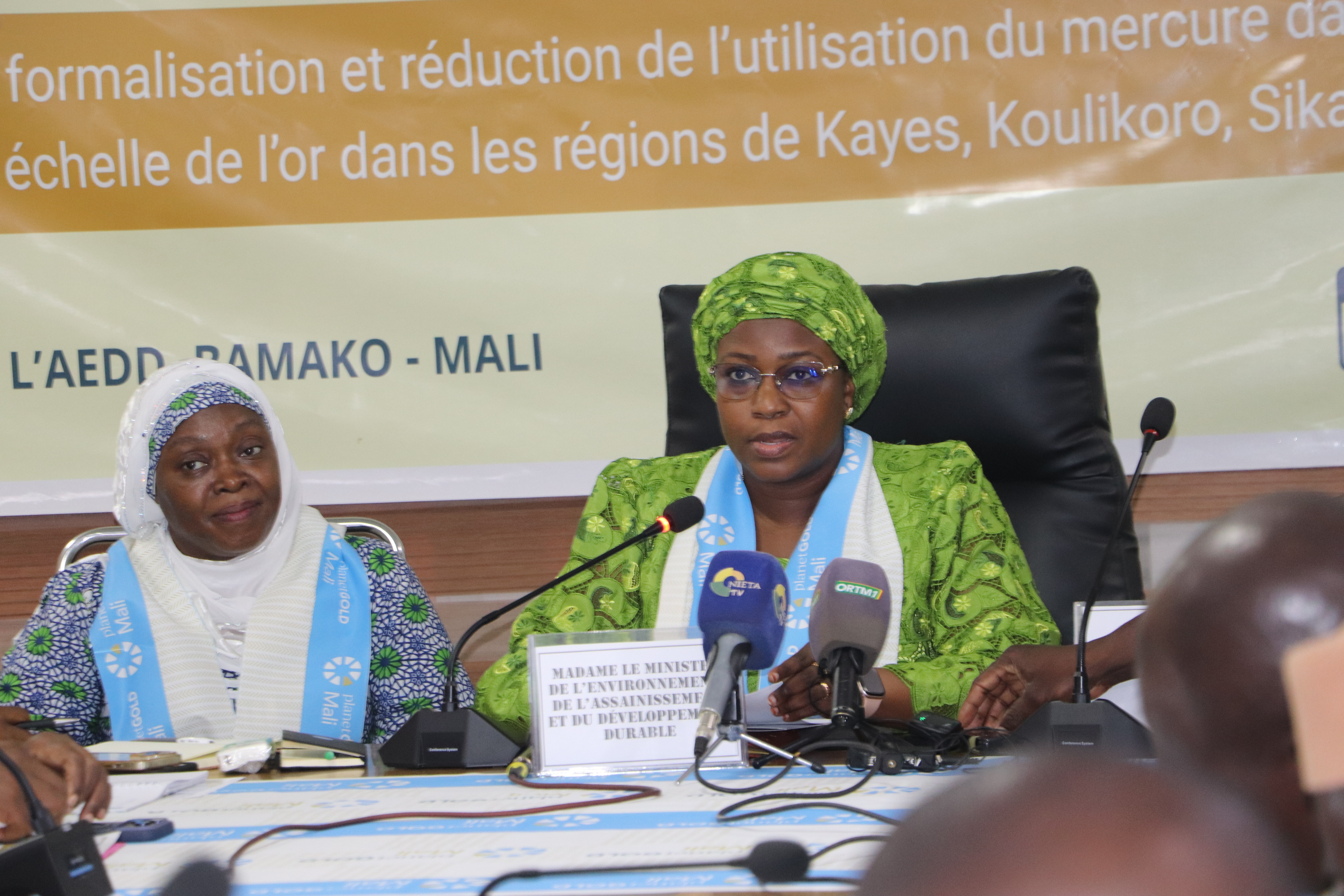
“The Government of Mali is fully committed to supporting this transformative project. Formalizing our artisanal gold mining sector is a national priority. This project provides us with the tools to protect the health of mining communities, preserve our ecosystems, and enable Malian gold to access responsible international markets. Mali embraces this opportunity with determination,” said Ms. Doumbia Mariam TANGARA, Minister of Environment, Sanitation and Sustainable Development.
The planetGOLD Mali project opens new opportunities for communities that depend on artisanal and small-scale gold mining. By promoting innovation, strengthening capacities, and fostering partnerships, it will help create sustainable economic opportunities while addressing the sector’s environmental and health challenges.
About planetGOLD
The planetGOLD programme is a global initiative funded by the Global Environment Facility (GEF) that supports gold-producing countries in reducing mercury use in artisanal and small-scale gold mining. The programme also promotes financial inclusion, access to responsible gold markets, and sustainable livelihood opportunities for mining communities.
In Mali, the planetGOLD project is implemented by the United Nations Industrial Development Organization (UNIDO) and executed by the Agency for Environment and Sustainable Development (AEDD) in close collaboration with government institutions, private sector actors, civil society organizations, and mining communities.
Knowledge Areas: