

News
27 October 2025
Knowledge Areas:
Countries:
The planetGOLD Zambia Project held a Trainer of Trainers workshop on 21–22 October 2025 to strengthen national capacity for the implementation of the CRAFT Code (Code of Risk-mitigation for Artisanal and Small-Scale Miners Engaging in Formal Trade) in Zambia.
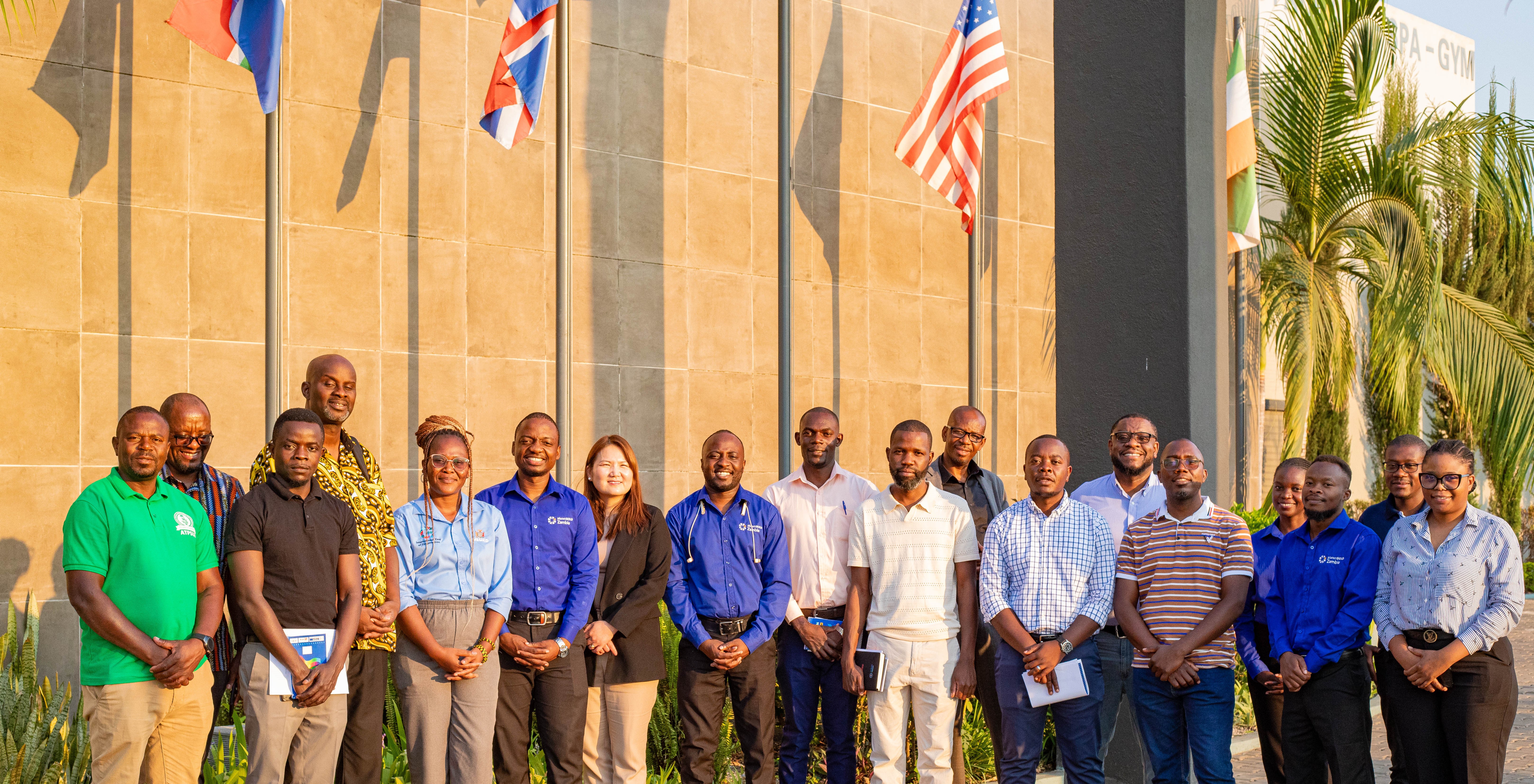
The workshop brought together participants from key government ministries and agencies that play critical roles in the Artisanal and Small-Scale Gold Mining (ASGM) sector. Their participation reflects Zambia’s growing commitment to advancing responsible, transparent, and sustainable gold supply chains.
Facilitated by Ms. Dulguun Mijiddori, Supply Chain Expert from the Artisanal Gold Council (AGC), the training aimed to equip stakeholders with the knowledge and skills needed to guide the adoption and implementation of the CRAFT Code across Zambia’s ASGM landscape.
The training was highly practical, featuring hands-on exercises and group discussions that helped participants apply the CRAFT Code to real-life mining scenarios. This interactive approach enhanced their understanding of responsible sourcing and equipped them with the skills to support CRAFT Code implementation within Zambia’s artisanal and small-scale gold mining sector.
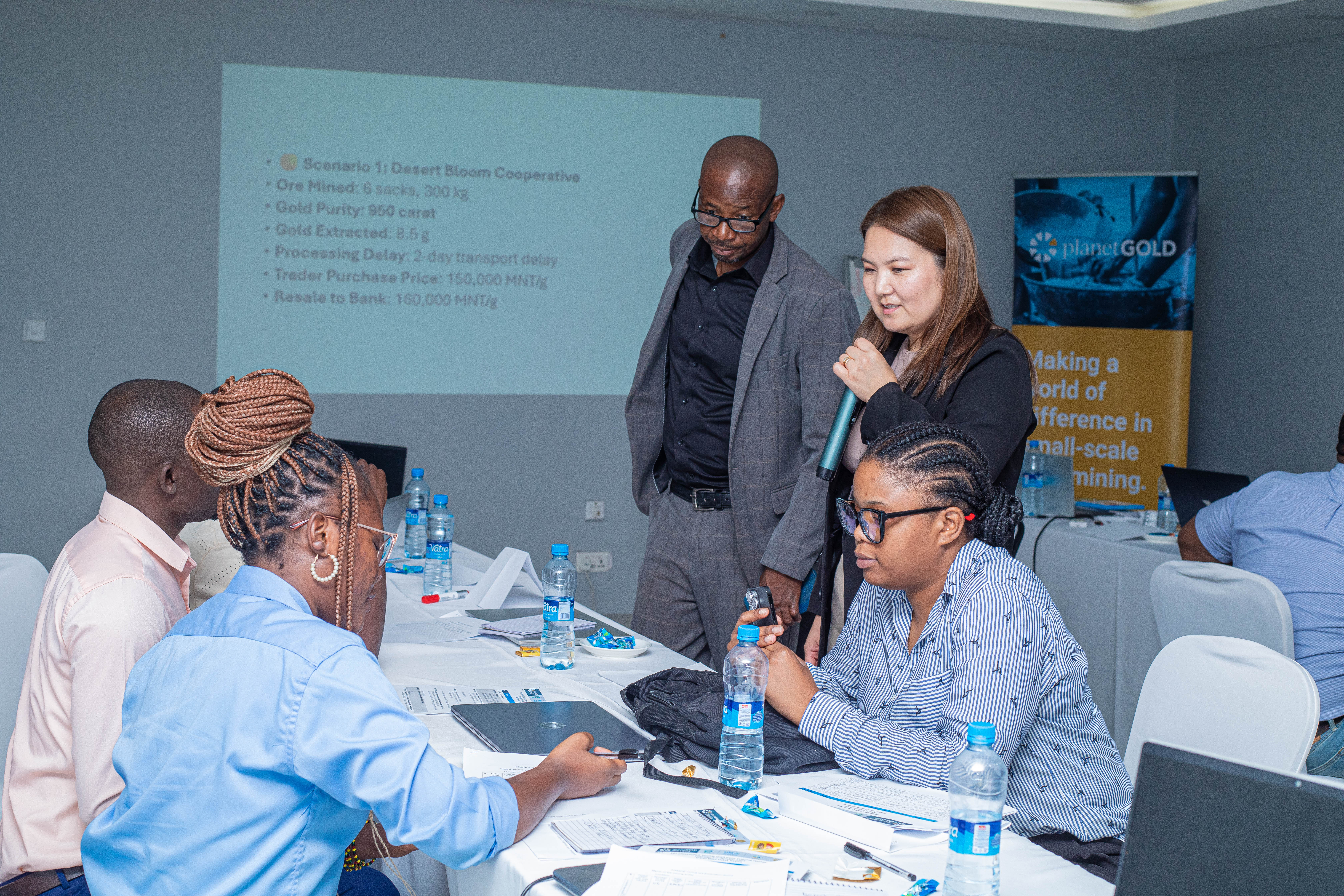
The CRAFT Code is a practical, open-source tool designed to help Artisanal and Small-Scale Miners (ASM) identify, assess, manage, and report risks associated with their operations. It serves as an implementation mechanism for the Organisation for Economic Co-operation and Development (OECD) Due Diligence Guidelines, providing a structured pathway for miners to access formal and responsible gold markets.
By building local capacity and fostering collaboration among public institutions, the planetGOLD Zambia Project continues to advance its mission of promoting responsible gold production, reducing mercury use, and supporting the formalization of Zambia’s ASGM sector.
This initiative is part of the project’s broader efforts to ensure that Zambian gold is produced responsibly and contributes to improved livelihoods, environmental protection, and economic inclusion.
Comments