

Voices
18 May 2026
Knowledge Areas:
Countries:
-
 Communications Officer, planetGOLD Zimbabwe
For years, Zimbabwe's artisanal and small-scale gold miners have been the quiet backbone of the country's gold industry. Now, the numbers are making that impossible to ignore. According to Fidelity Gold Refinery (FGR), small-scale miners produced 34.9 tonnes of gold in 2025, nearly three times the 11.8 tonnes churned out by large-scale mining companies. The informal sector is not just surviving, it is leading.
But here is the catch: most of these miners are still operating without formal structures, secure land rights, or access to modern equipment. Many rely on mercury-based processing, a method that is as dangerous to human health as it is to the environment. For a sector supporting over one million Zimbabweans, that's a problem that can no longer be ignored.
On 15 April 2026, government officials, large-scale mining executives, and artisanal mining representatives sat down together at a high-level workshop convened by the planetGOLD Zimbabwe project. The goal was to map out a practical path toward formalizing the sector and building genuine collaboration between small miners and established companies.
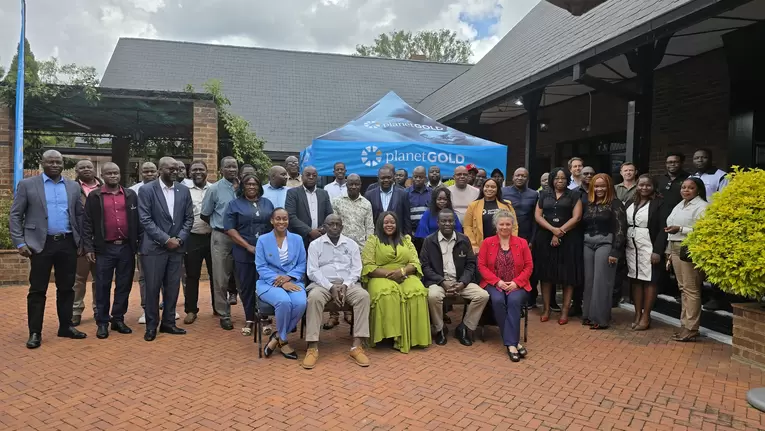
"ASGM is producing more gold than large-scale miners and contributing as a key economic actor. Their operations should be formalized," said Nyaradzo Mutonhori, Project Manager for planetGOLD Zimbabwe.
It sounds straightforward, however in practice, the relationship between large-scale mining (LSM) companies and artisanal miners has historically been anything but, marked by disputes over land access and clashing operational standards.
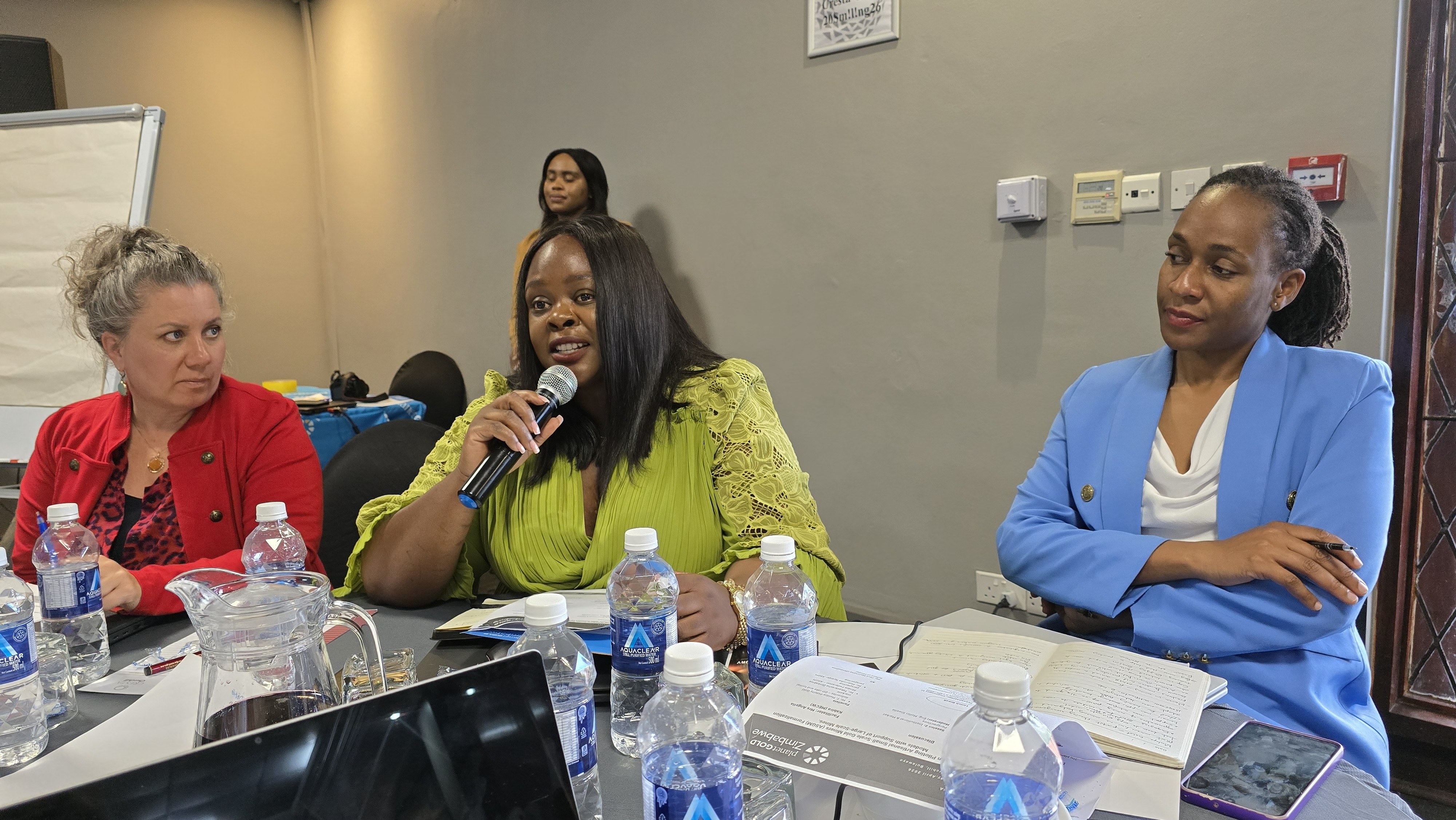
The workshop put concrete models on the table. One promising approach was tributing arrangements that allow small-scale miners to operate legally within sections of large mining concessions. Another is the development of shared gold processing facilities, which would both improve gold recovery rates and reduce miners reliance on mercury.
Sabi Mine's Edmore Masiko offered compelling real-world encouragement, "Our experience has shown that collaboration with artisanal miners is not only possible, but commercially viable. By investing in shared processing infrastructure and technical support, we have been able to transform conflict into productive partnerships."
Turk Mine, Magaya Mine and Mutapa Gold Resources also joined the conversation, alongside artisanal mining bodies including the Zimbabwe Miners Federation (ZMF) and the Zimbabwe Artisanal and Small-Scale Women Miners Association (ZASWMA).
The discussions went beyond logistics. Participants stressed the need for trained engineers and geologists working directly with artisanal miners, along with expanded training in safety, productivity and environmental management. Gender inclusion also featured prominently throughout the workshop, recognizing that women's meaningful participation is central to building a sustainable sector.
"The LSM–ASGM collaboration framework redefines artisanal mining from a survivalist activity to a structured, bankable and commercially viable sector," said ZASWMA Chairperson Kundai Chikonzo.
The government’s position was equally clear. Chief Government Engineer Michael Munodawafa of the Ministry of Mines and Mining Development stated, "Through formalization and collaboration, we want to bring small-scale miners into a structured system that promotes safety, efficiency and sustainability." Complementing this, the Environmental Management Agency (EMA) provided international context by sharing lessons from countries that have successfully formalized their artisanal sectors. EMA is actively working to eliminate mercury use in ASGM by enforcing international treaties, promoting safer alternatives, and strengthening regulations.
Under the proposed framework, large-scale mines would act as technical anchors, offering mentorship, infrastructure and market access to smaller operators. The shift away from mercury also aligns with Zimbabwe's commitments under the Minamata Convention on Mercury, giving the initiative an important environmental dimension.
The message from the workshop was clear, Zimbabwe's artisanal small-scale gold miners are too economically significant to remain on the margins. With the right partnerships and regulatory support, a sector long defined by informality could become one of the most dynamic and responsible pillars of the country's gold economy.
The planetGOLD Zimbabwe project is supported by the Global Environment Facility (GEF) and led by the United Nations Environment Programme (UNEP). The project is executed by IMPACT, in close coordination with the Ministry of Mines and Mining Development, the Ministry of Environment, Climate and Wildlife and the Environment Management Agency.
Comments