
Zimbabwe is stepping up efforts to transform its artisanal and small-scale gold mining (ASGM) sector through formalization, improved access to finance and the adoption of mercury-free technologies, as stakeholders intensify calls for a safer, more sustainable and economically inclusive mining industry.
News
10 November 2026
Countries:
-
 Communications Officer, planetGOLD Zimbabwe
Zimbabwe is stepping up efforts to transform its artisanal and small-scale gold mining (ASGM) sector through formalization, improved access to finance and the adoption of mercury-free technologies, as stakeholders intensify calls for a safer, more sustainable and economically inclusive mining industry.
The sector, which accounts for more than half of the country’s gold production and supports approximately half a million livelihoods, remains a critical pillar of Zimbabwe’s economy. However, its heavy reliance on mercury, accounting for an estimated 96 percent of the country’s mercury use, presents significant environmental and public health challenges.
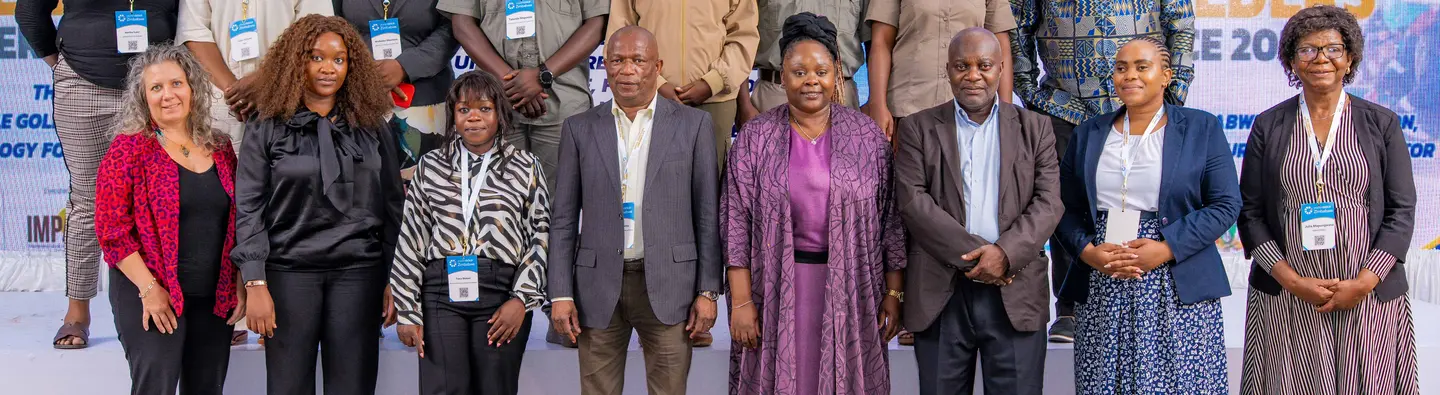
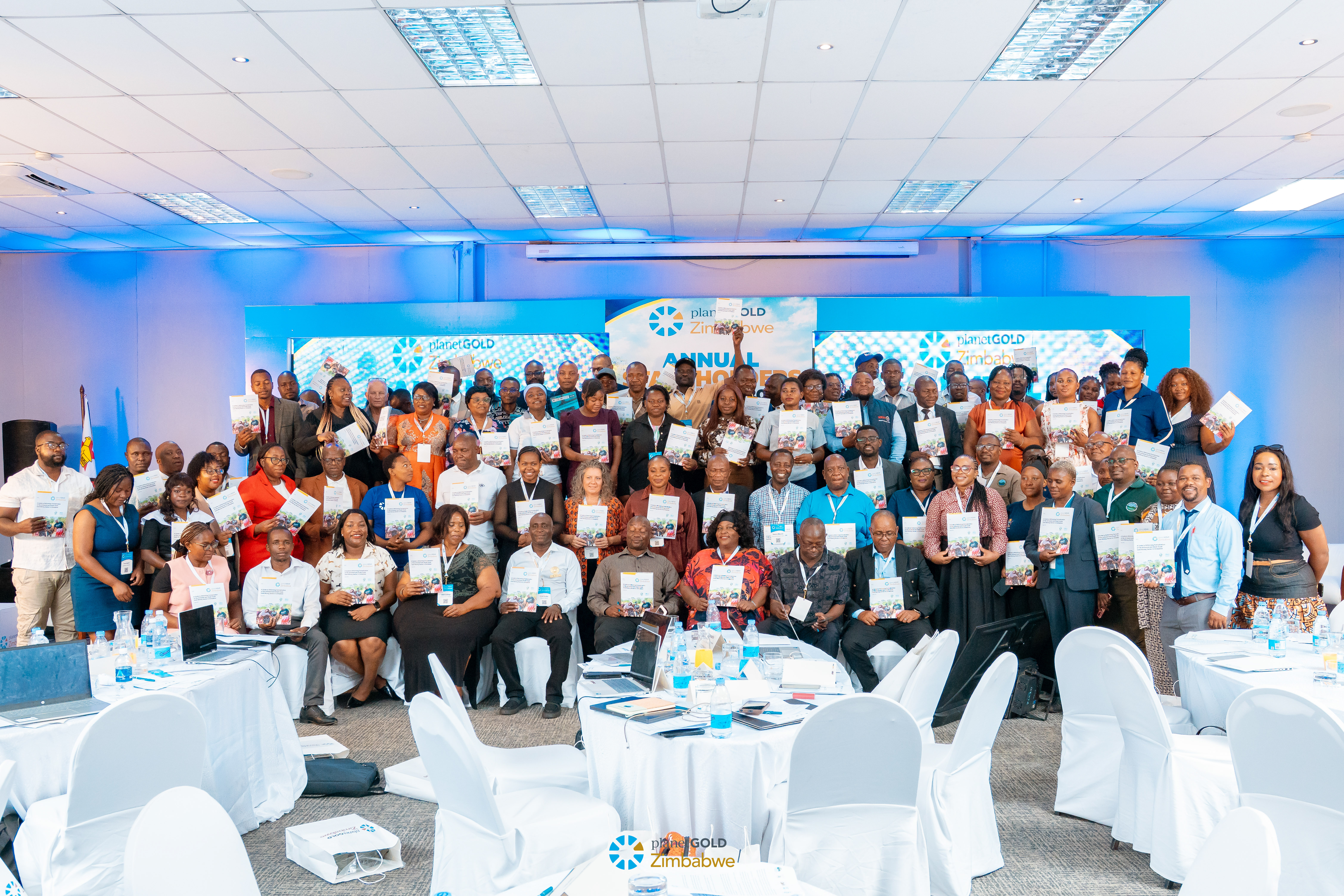
These issues took centre stage at the second planetGOLD Zimbabwe Annual Stakeholders Conference in Harare, which brought together representatives from government, civil society, financial institutions, the private sector and mining communities. Held under the theme "Unlocking Responsible Gold in Zimbabwe: Formalization, Financing and Technology for a Mercury-Free ASGM Sector," the two-day conference underscored the collective push toward a more sustainable artisanal and small-scale mining sector.
Building on Progress: From Commitments to Tangible Results
The conference provided an opportunity to reflect on progress made by the planetGOLD Zimbabwe project in advancing responsible artisanal and small-scale gold mining.
To date, 100 miners have been formalized, while miners have accessed US$100,000 in financing. The project has also reached 2,876 people through awareness-raising activities, with eight bulk ore samples undergoing metallurgical test work to identify mercury-free processing technologies suited to local ore characteristics.
A major highlight of Day 1 was the official launch of a Guide to Reforming Formalization of the Artisanal and Small-Scale Gold Mining Sector in Zimbabwe. The guide sets out clearer pathways for miners to gain legal recognition and operate formally.
Stakeholders underscored that formalization should not merely be viewed as a regulatory obligation but as an opportunity for miners to access finance, secure legal protection, improve working conditions and obtain fairer returns from their operations.
Priscilla Masuka of the Zimbabwe Artisanal and Small-Scale Women Miners Association (ZASWMA) highlighted the financial barriers confronting miners seeking formal recognition.
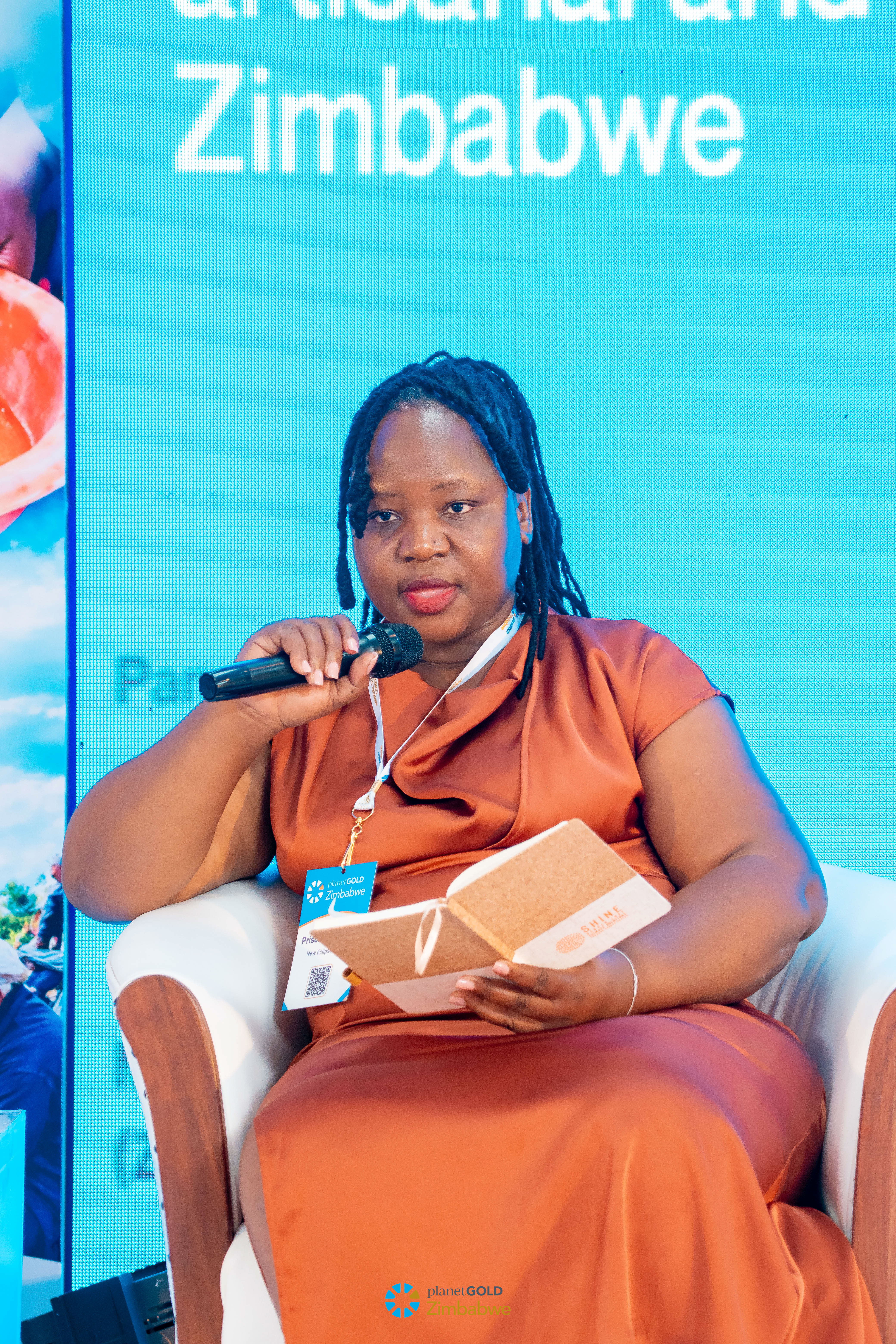
“Formalization costs money that miners simply do not have, while lenders require formal documents and collateral. We must present formalization to miners as a benefit rather than a compliance requirement,” she said.
Her remarks highlighted the need for practical interventions that make formalization accessible and economically beneficial, particularly for resource-constrained mining communities.
Addressing the Structural Barriers to Responsible Mining
Despite the progress recorded, discussions revealed persistent structural challenges affecting the transformation of Zimbabwe’s ASGM sector.
Access to finance remains a major obstacle. Miners often require capital to meet formalization requirements, yet financial institutions typically demand formal documentation, collateral and verifiable production records before extending credit.
This creates a cycle in which miners struggle to formalize because they lack financing, while lenders are reluctant to finance them because they are not formally registered.
Technology adoption emerged as another critical area requiring attention. Participants observed that mercury remains widely used because it is easy to use, does not require electricity and enables miners to obtain saleable gold quickly.
Transitioning to mercury-free processing therefore requires alternatives that are not only environmentally sound but also affordable, efficient and suitable for Zimbabwean ore types.
Chiedza Chipangura of the International Council for Artisanal and Small-Scale Mining (IC-ASM) emphasised the importance of demonstrating the effectiveness of alternative technologies before expecting miners to abandon mercury.
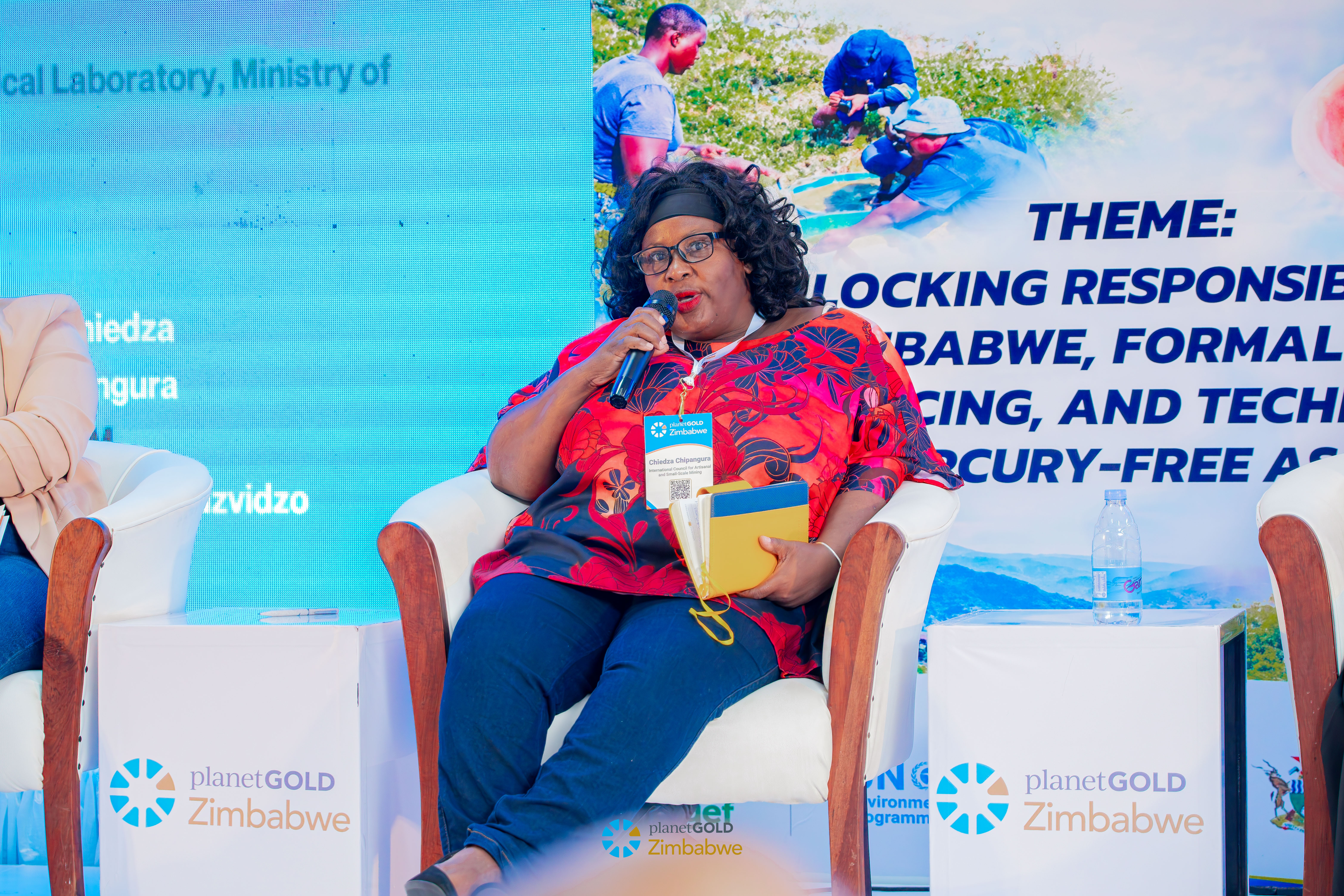
“Miners will not abandon mercury until alternatives are proven effective on local ore, affordable, and fully supported with spare parts and training,” she said.
Stakeholders consequently called for demonstration sites where miners can access practical training, test alternative processing technologies and receive ongoing technical and maintenance support.
Through planetGOLD Zimbabwe project, the Zimbabwe School of Mines outlined plans to introduce seven Mining Academy modules that take practical mining education closer to the communities that need it.
Local Leadership and Community-Based Solutions
Beyond policy, financing and technology, the conference highlighted the importance of community participation and local leadership in achieving sustainable mining practices.
Shamva District has emerged as an example of what collaboration can achieve in addressing the environmental challenges linked to artisanal and small-scale mining.
With support from planetGOLD Zimbabwe, local authorities, the Environmental Management Agency (EMA), ZIMPARKS and traditional leadership have joined forces through a hotspot-based landscape management approach that strengthens environmental protection and promotes responsible mining practices.
Chief Bushu, born Gracious Mukanwa, pledged his community’s commitment to achieving a mercury-free district, emphasizing the importance of safeguarding ecosystems and protecting human health.
Under this collaborative model, customary courts and local councils are working together to reinforce environmental stewardship and accountability within mining communities.

Reflecting on the relationship between environmental conservation and community wellbeing, Chief Bushu drew on the traditional principle, “chirere chizokurerawo”, care for the land so that it can sustain you.
The approach demonstrates how traditional leadership and community-based institutions can contribute to translating national environmental commitments into practical local action.
Strengthening the Health Response to Mercury Exposure
The environmental impact of artisanal and small-scale gold mining is closely linked to the health and wellbeing of mining communities.
During the discussions, the Ministry of Health and Child Care acknowledged that Zimbabwe currently lacks comprehensive statistics on mercury exposure among mining communities.
To address this information gap, the Ministry indicated that mercury screening would be incorporated into existing silicosis screening programmes in mining areas, strengthening efforts to monitor occupational and environmental exposure risks.
The proposed integration represents an important step towards improving health surveillance and ensuring that the health implications of mining activities receive greater attention within responsible mining interventions.
Turning Commitments into Action
As the conference concluded, stakeholders reaffirmed that transforming Zimbabwe’s artisanal and small-scale gold mining sector requires coordinated action across government institutions, financial service providers, technical partners, civil society and mining communities.
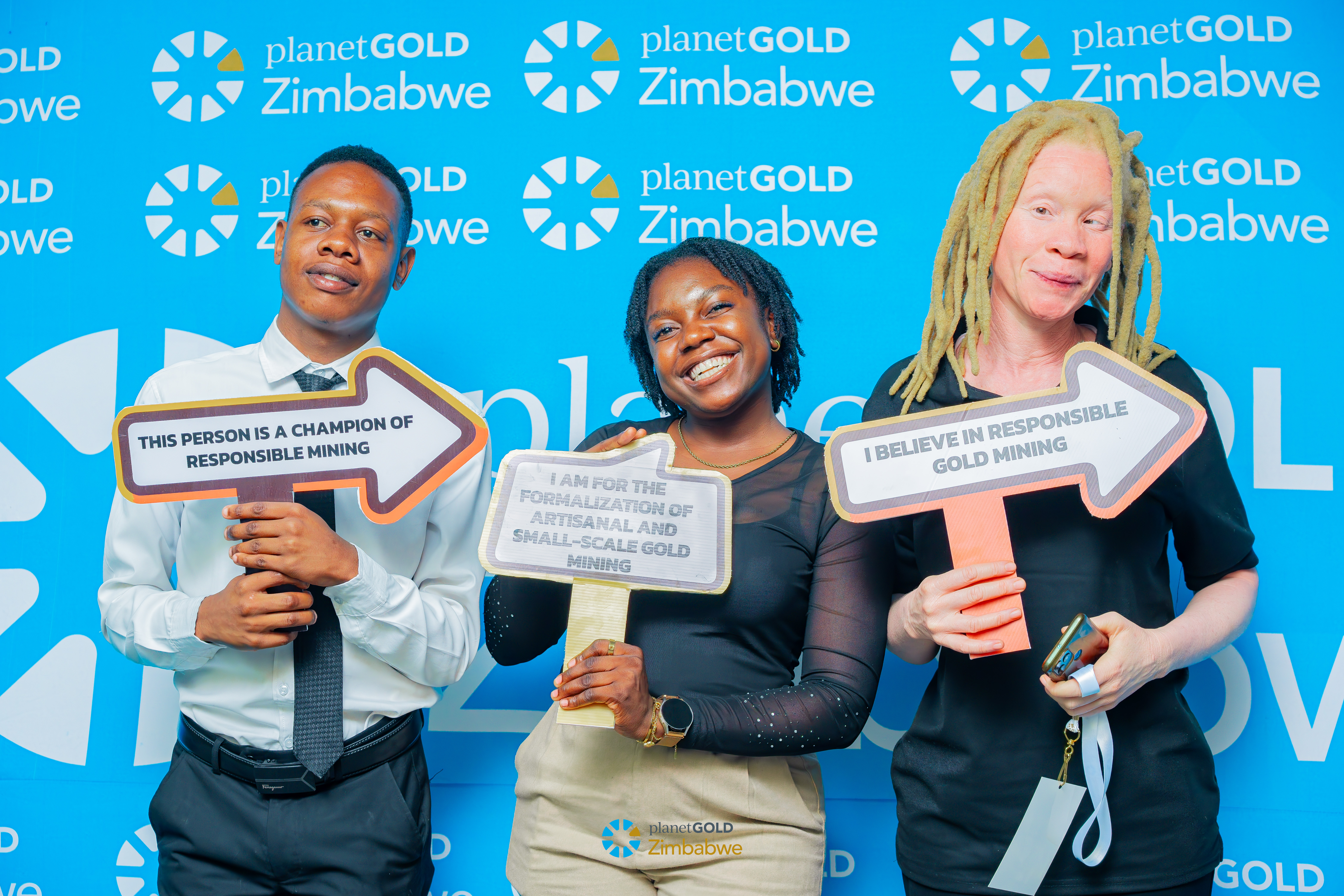
Over the coming months, planetGOLD Zimbabwe will intensify skills development initiatives, expand technical support for mercury-free gold processing and strengthen institutional partnerships to accelerate the transition towards responsible mining practices.
The discussions also reinforced the need to address the interconnected challenges of formalisation, access to finance, appropriate technology, environmental protection and occupational health.
Ultimately, the transition to responsible gold mining must deliver practical benefits to miners while protecting communities and the environment.
By building on existing progress, strengthening local partnerships and translating policy commitments into tangible interventions, planetGOLD Zimbabwe is contributing to efforts to create a safer, cleaner and more prosperous future for the country’s artisanal and small-scale gold mining communities.
The planetGOLD Zimbabwe project is supported by the Global Environment Facility (GEF) and led by the United Nations Environment Programme (UNEP). The project is executed by IMPACT, in close coordination with the Ministry of Mines and Mining Development, the Ministry of Environment, Climate and Wildlife and the Environment Management Agency.
Knowledge Areas: