
News
02 March 2026
Countries:
-
 Communications Officer, planetGOLD Zambia
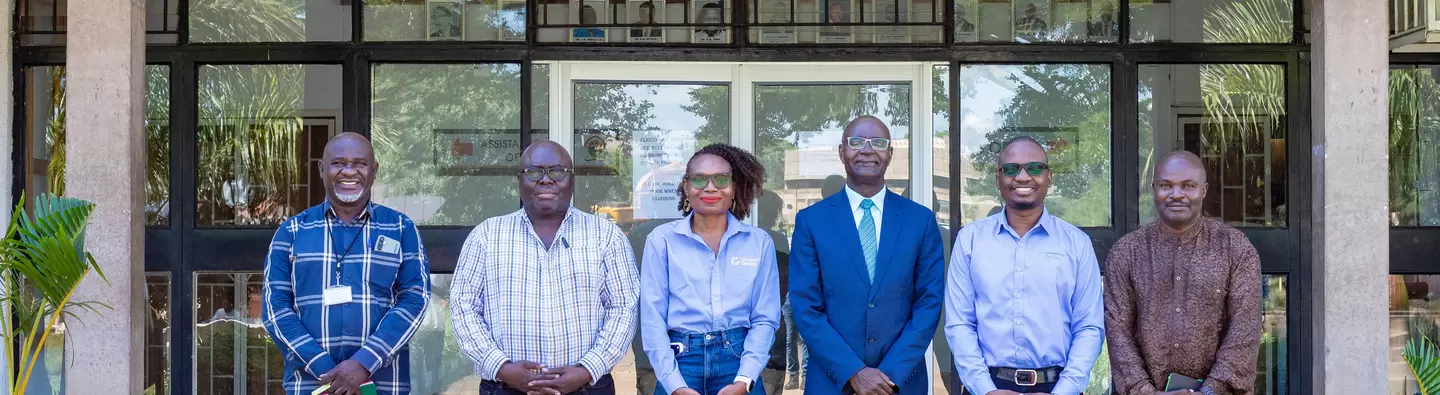
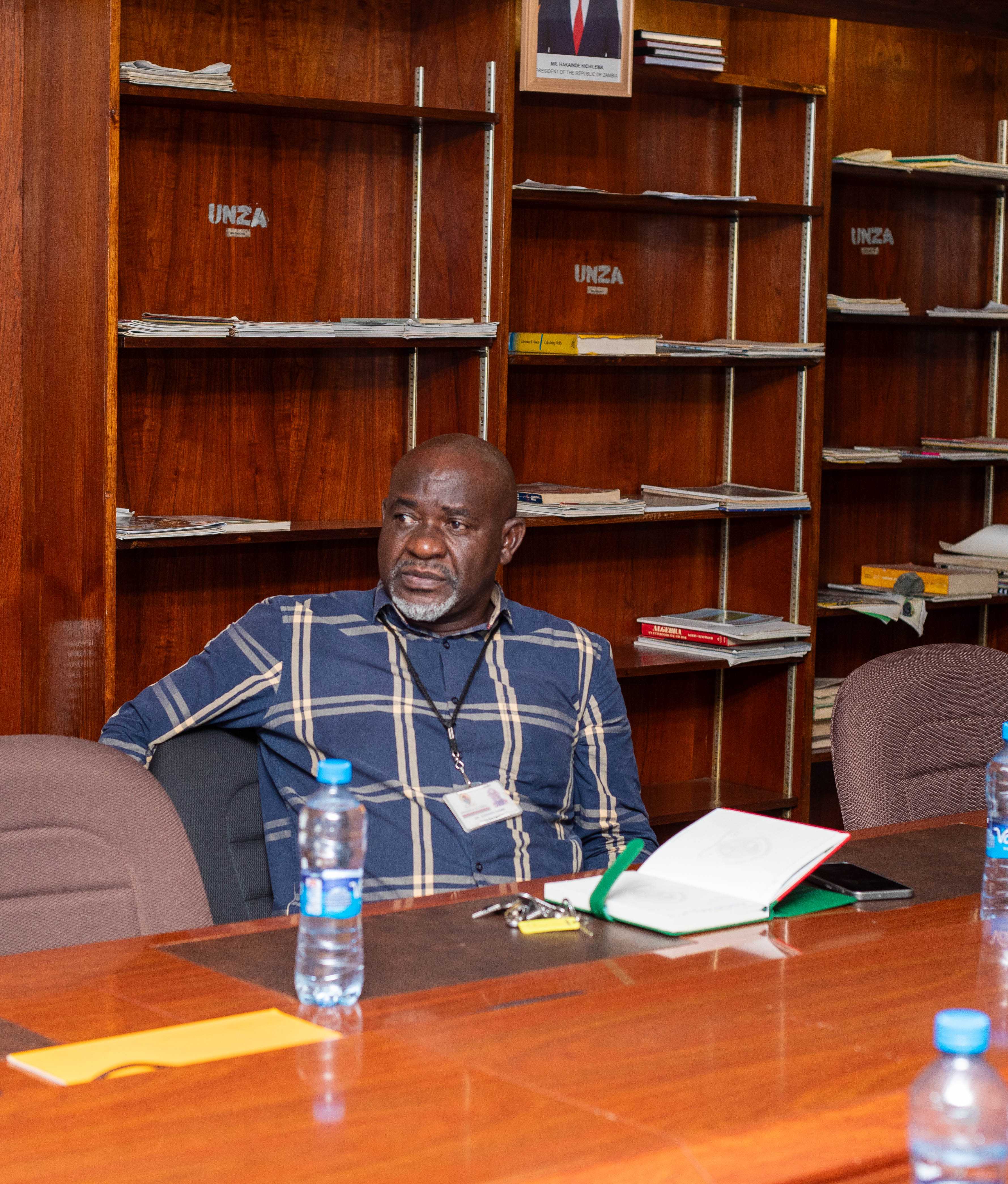
On 26 February 2026, the planetGOLD Zambia Project conducted a familiarisation tour of the University of Zambia (UNZA) Metallurgical Laboratory at the School of Mines. The visit marks an important step in strengthening collaboration between the project and academic institutions in advancing mercury-reduction and mercury-free gold processing technologies in Zambia.
The planetGOLD Zambia Project has a clear mandate to support partnerships with knowledge institutions to drive research, innovation and the development of environmentally responsible gold extraction technologies. The engagement with UNZA reflects the project’s commitment to building local technical capacity and promoting sustainable solutions within the Artisanal and Small-Scale Gold Mining (ASGM) sector.
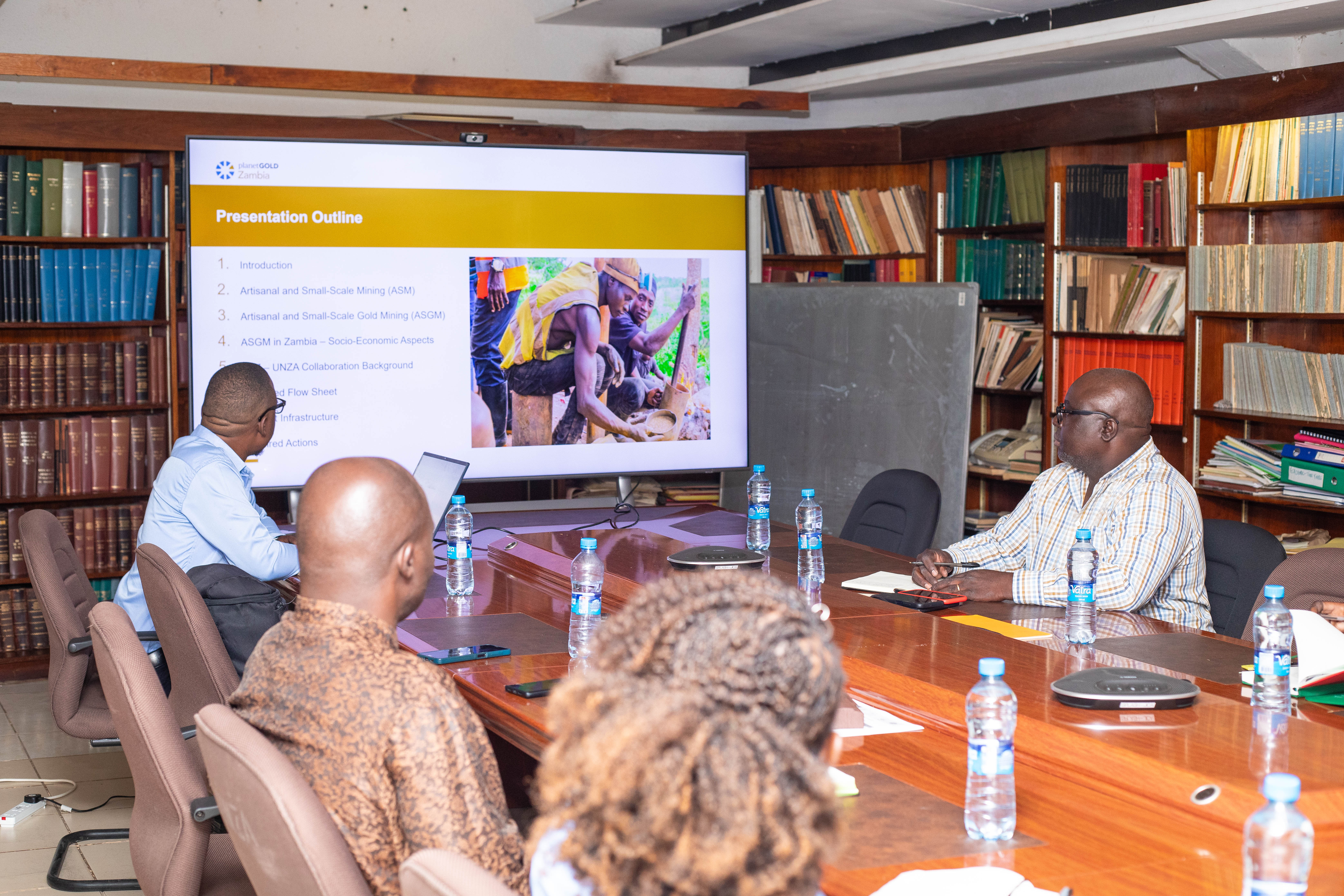
Professor Emmanuel Chanda, Dean of the School of Mines at UNZA, expressed strong support for the collaboration:
“We are very keen to have the collaboration between the University of Zambia School of Mines and the planetGOLD Zambia Project. Our institution has moved into research and development in the last 10 years, and this partnership will positively impact our research and development.”
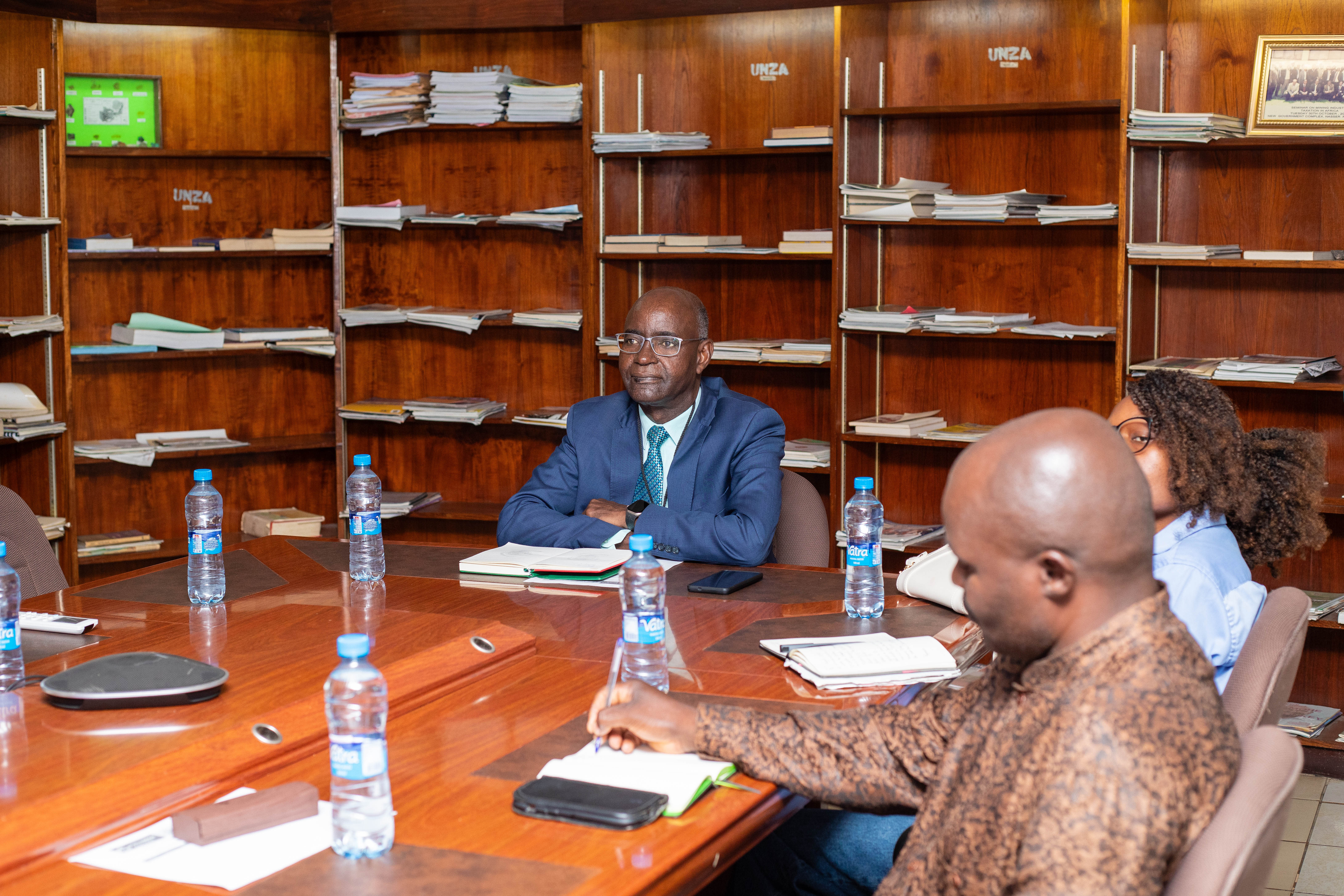
Project Metallurgist Mr. Munsanje Chikatala introduced the project and outlined its four key components: advancing formalisation in the ASGM sector; improving access to finance and formal markets; introducing mercury-free technologies; and strengthening communication and knowledge sharing.
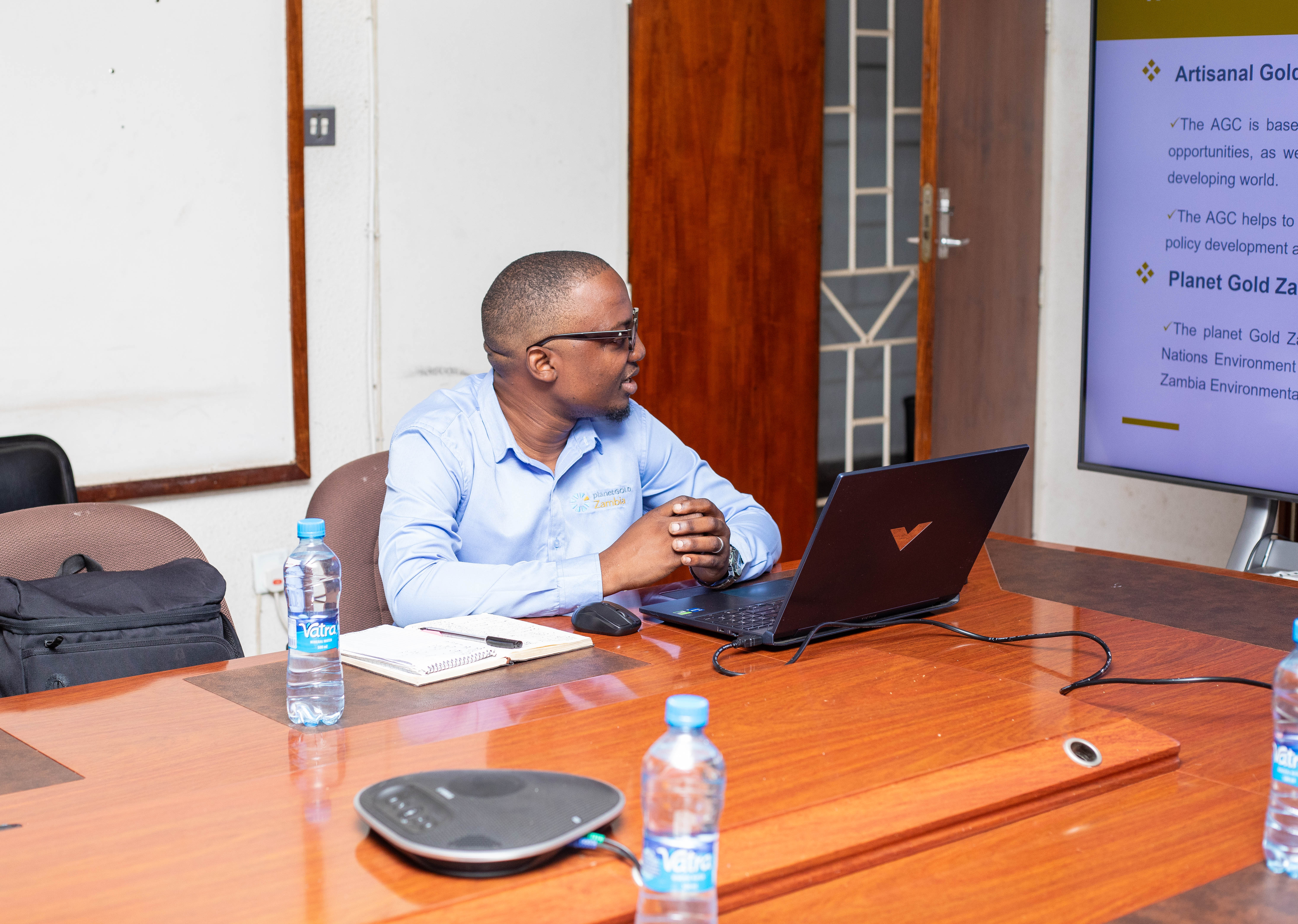
Mr. Chikatala also presented the proposed flowsheet for the UNZA pilot plant, which the project will support in its establishment. The pilot plant is expected to serve as a demonstration and training facility for environmentally sound gold processing methods.
Dr. Edward Siame, Head of the Department of Metallurgical Engineering at the School of Mines, welcomed the collaboration, noting the growing national focus on gold mining.
“Gold mining is an area receiving significant attention from Government. This collaboration is important as it will go a long way in teaching artisanal miners environmentally responsible methods of gold processing,” said Dr. Siame. “As a training institution, the pilot plant will also enable us to train metallurgical engineers on gold processing.”
National Project Manager for the planetGOLD Zambia Project, Ms. Abigail Mwailenge, highlighted the broader opportunities for students and young professionals.
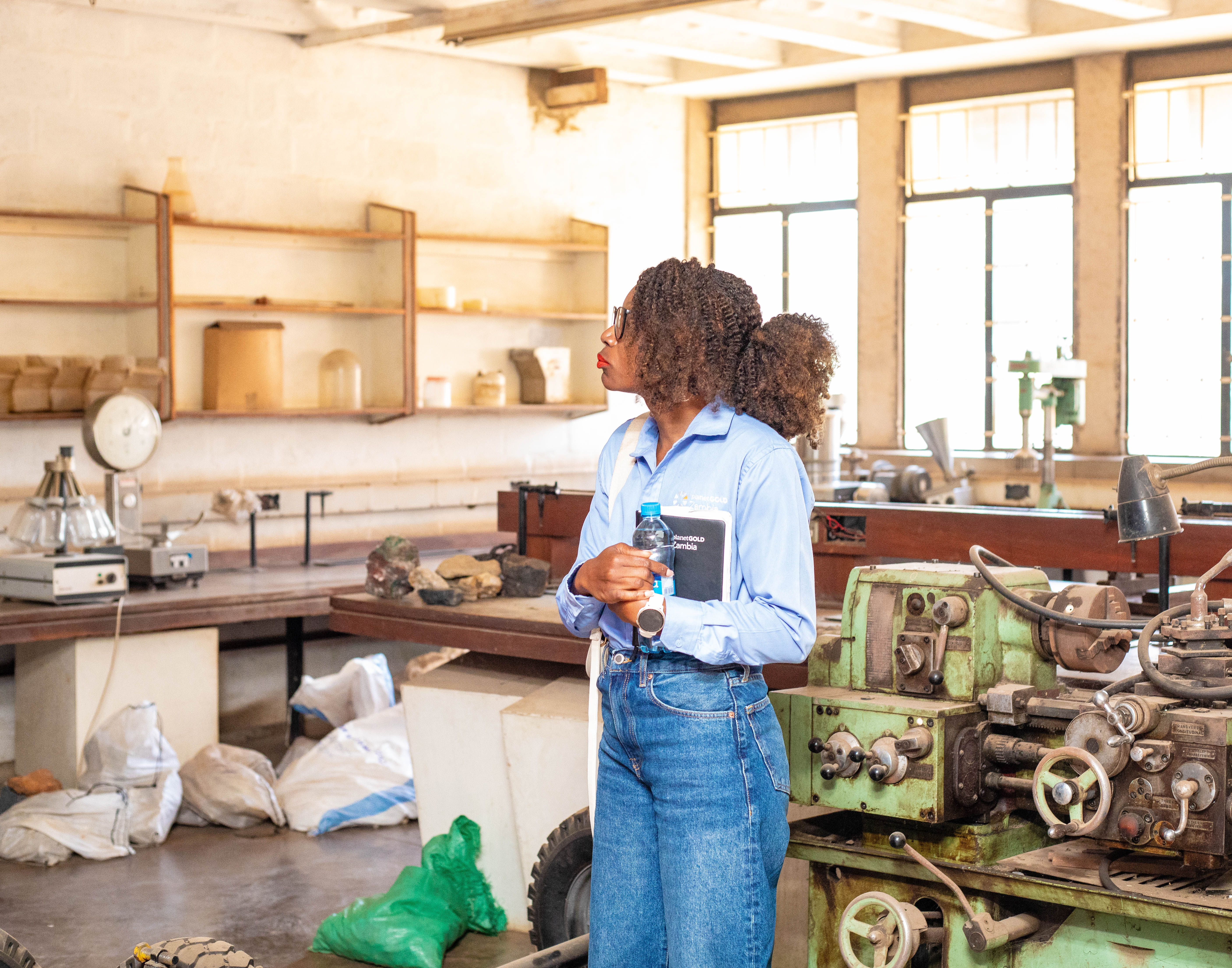
“Students have a potential market to provide consultancy services when they have practical exposure and a strong understanding of gold extraction technologies. Currently, there is limited information on gold processing technologies and this partnership helps bridge that gap,” she said.
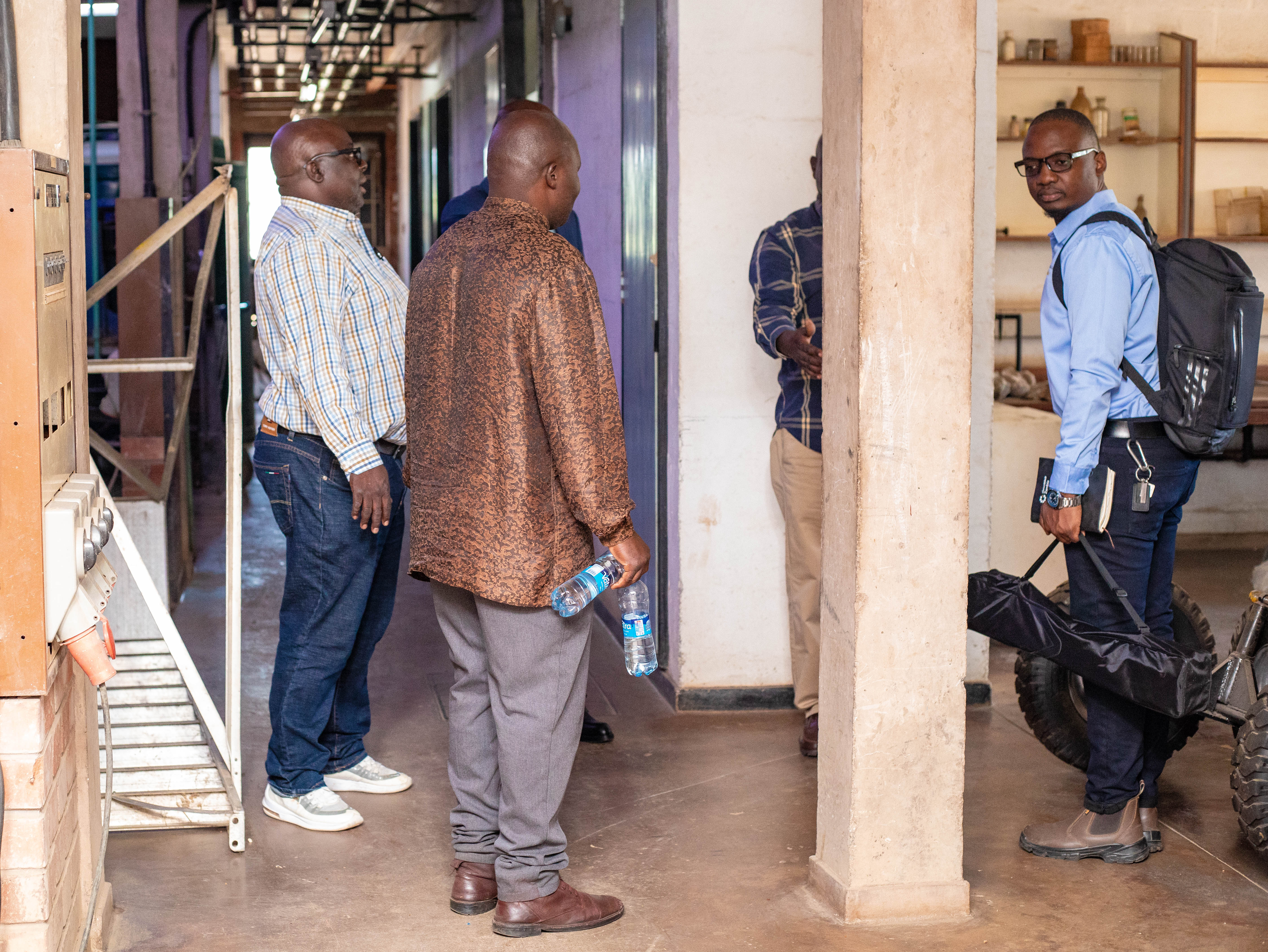
The familiarisation engagement concluded with a guided tour of the University of Zambia’s laboratory facilities, where discussions focused on equipment capacity, operational readiness, and the technical requirements for establishing the gravity-based gold extraction pilot plant.
This collaboration underscores the project’s commitment to strengthening local research capacity, supporting innovation and ensuring that Zambia’s ASGM sector transitions toward safer, mercury-free gold processing methods while building a new generation of skilled professionals.
Knowledge Areas: