
Voices
15 June 2022
Knowledge Areas:
Countries:
-
 Communications Officer, planetGOLD Kenya
Artisanal and small-scale gold miners in Kenya must overcome hurdles to be successful. Their major challenge is the fact that they do not have permits to carry out mining effectively despite having contributed significantly to the country’s economy for several years.
The planetGOLD Kenya project, supported by the Global Environment Facility (GEF) through UNDP mapped out the extent of women’s involvement in gold mining and outlined the level of benefits miners generate per activity. In the process, the project engaged women in a more action-oriented dialogue aimed at exploring their concerns and supporting formalization of the Artisanal and Small-scale Gold Mining Sector.
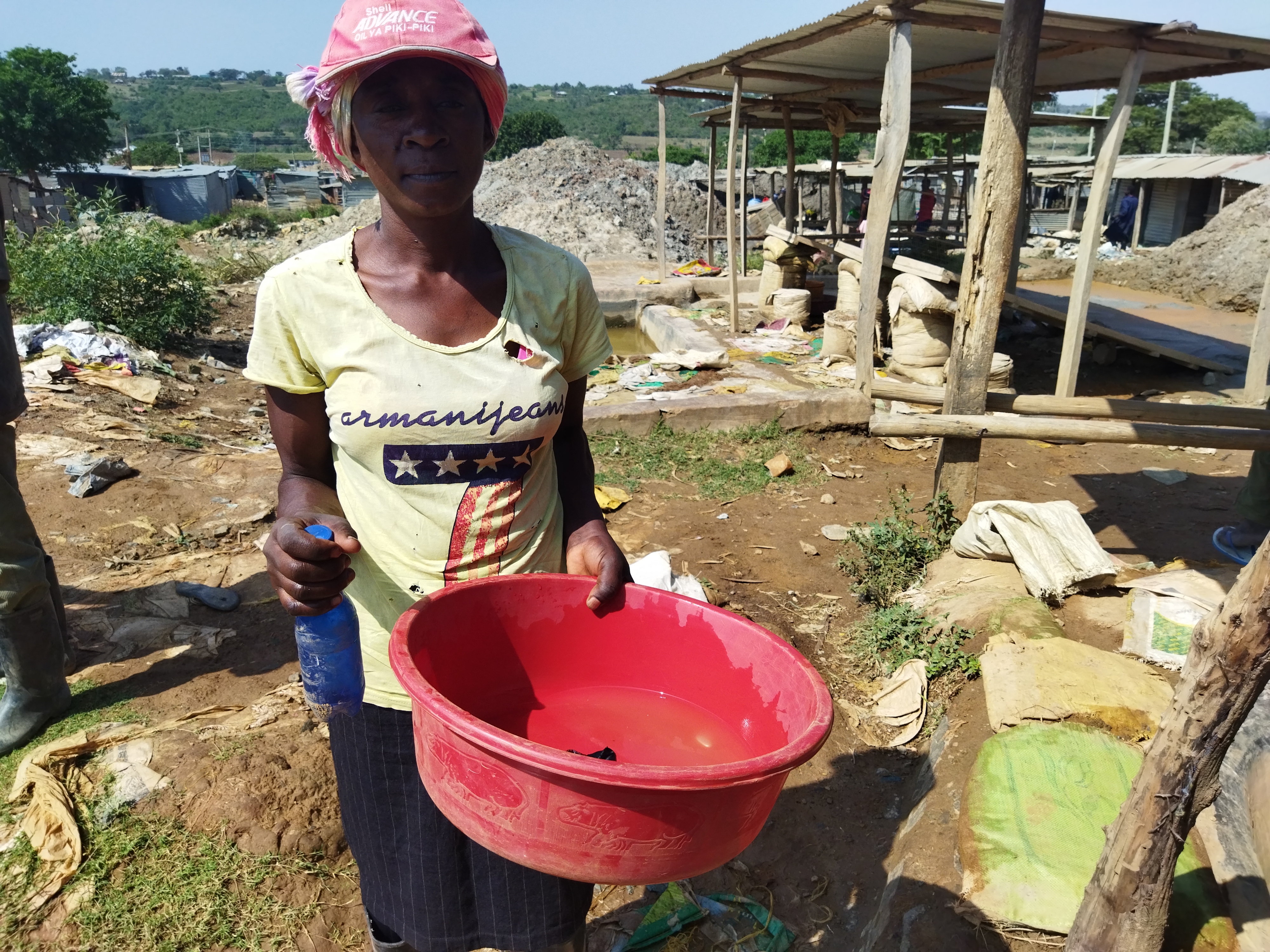
To begin with, financial institutions have been reluctant to offer loans to artisanal miners as they lack collateral and mining permits. As a result, most miners are unable to access financial services which could help them manage their businesses effectively. This not only makes it difficult for them to grow and expand their operations, but also makes it look like they are engaged in criminal activities.
Most women, therefore, are forced to operate in the informal sector, characterized by primitive technology and vulnerabilities. Still, financial institutions demand that miners present or share records of their dealings when applying for loans and even insurance policies.
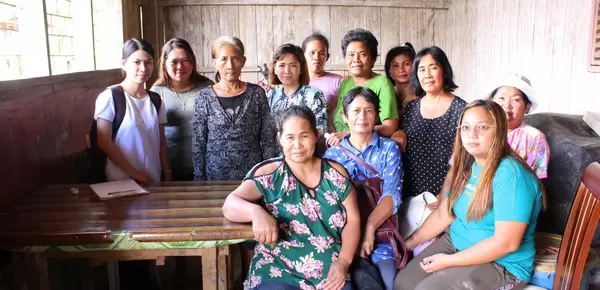
“As women in Lolgorian, we do not have access to finances to support our mining business since we are not in formalized groups. It is even harder for us to approach financial institutions as individuals since they do not recognize the legality of our operations,” said Naserian Seroi, an artisanal gold miner in Lolgorian, Narok County. Similar sentiments were echoed by Dorine Akeyo, a housewife and miner from Osiri, Matanda, Migori Kenya, who cried out for sustainable financial inclusion.
Consequently, lack of finances to acquire technologies exposes miners and their families to health hazards associated with exposure to mercury used in gold processing. Because of illiteracy and limited information, the miners continue using their makeshift equipment, which cannot increase production, unaware of the dangers that are associated with mercury exposure.
This project intends to work with existing community based organizations and identify gender champions to advocate for women’s active involvement by sensitizing artisanal miners on the dangers of mercury and taking them through record keeping and access to finance training.
According to the National Action Plan developed by the Ministry of Environment and Forestry, the field studies conducted in five mining counties including Kakamega, Migori, Siaya, Narok and Vihiga, show that artisanal and small-scale gold mining in Kenya is dominated by men who make up 60.1% of the workforce, with a significant percent of women at 39.9% in the sector.
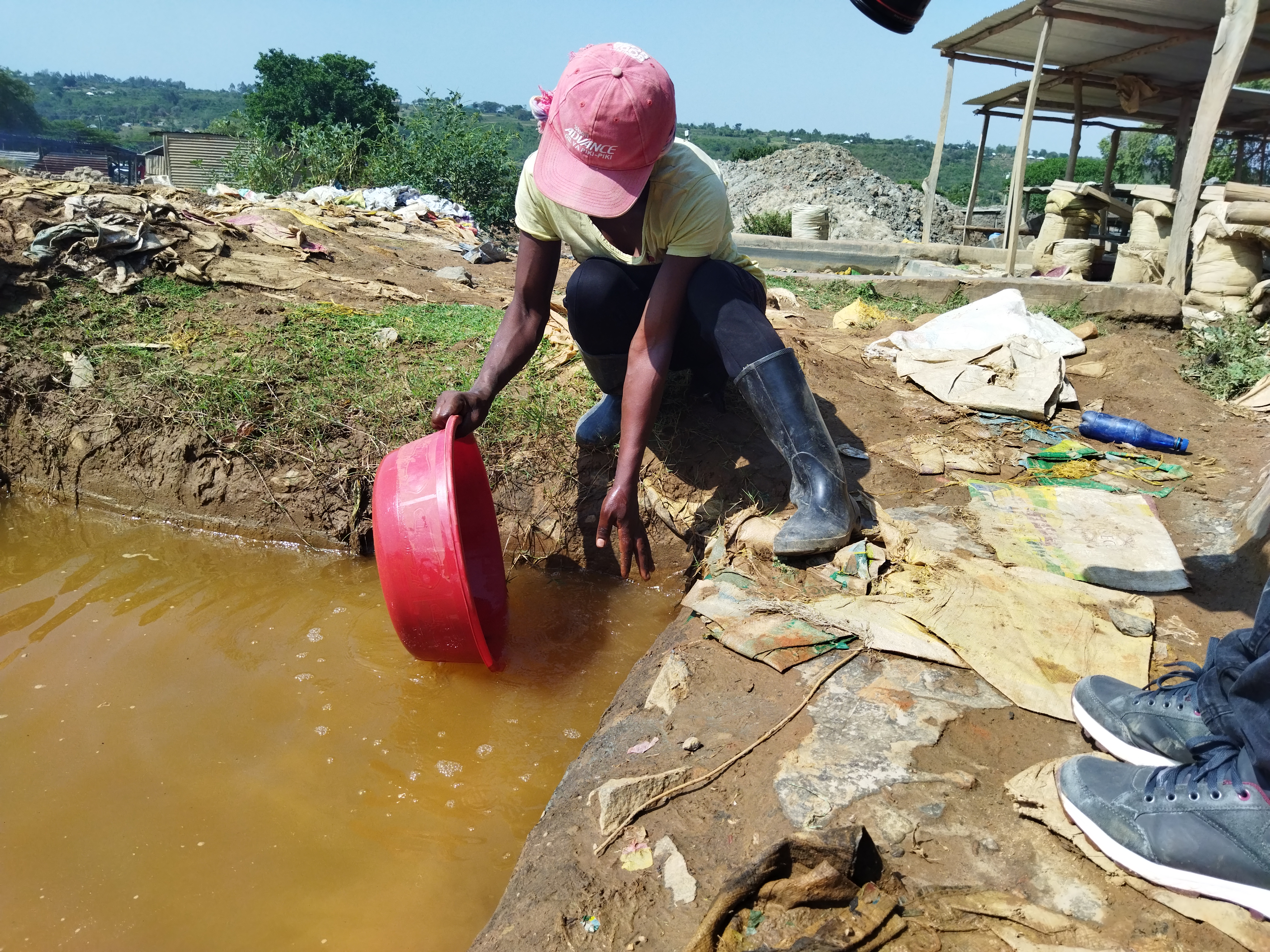
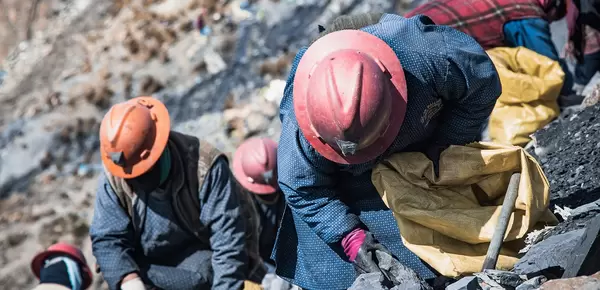
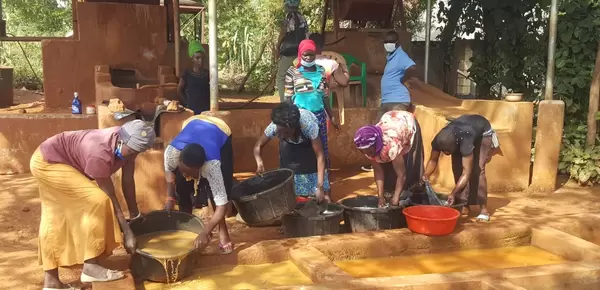
The mine sites are characterized by a clear division of labor and separation of roles, where women are mostly in charge of processing (sluicing, panning and amalgamation) while men perform ore extraction and porting. Men form 92% of the workforce in extraction, while women constitute 84.6% of the gold processing (crushing, sluicing, panning and, amalgamation) workforce.
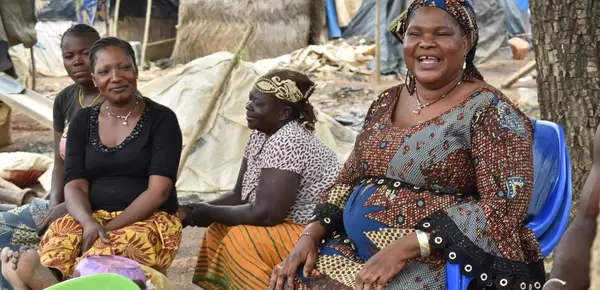
The planetGOLD Kenya project, in partnership with the State Department for Mining and UNDP Kenya, is supporting the formalization of miners by encouraging the establishment of women-led groups. Once formalized, these groups of miners will be able to apply for mining permits and by extension improve the availability and equality of opportunities to access financial services.

Comments