
News
17 September 2026
Countries:
-
 Communications Officer, planetGOLD Zambia
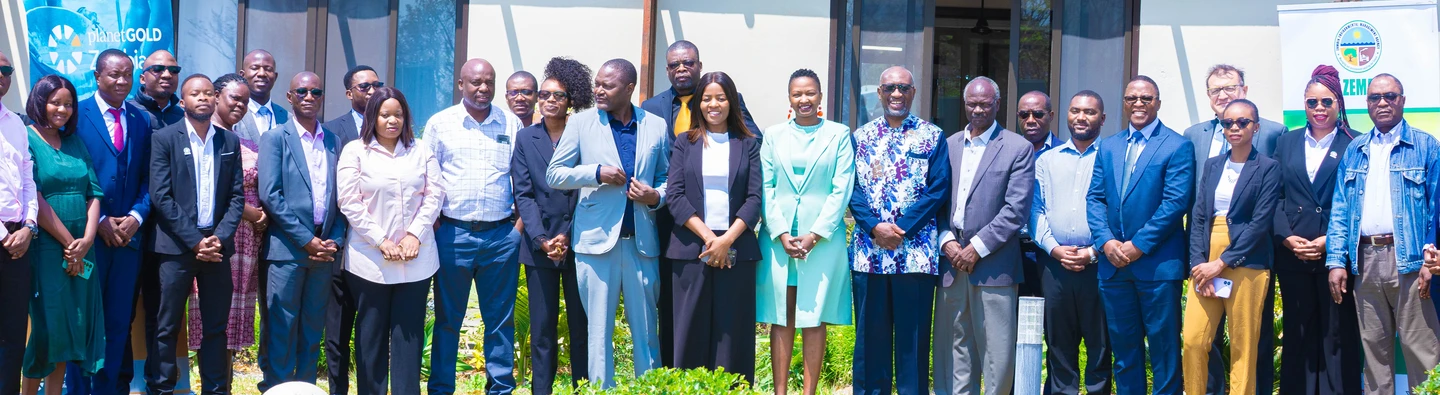
On 14 September 2026, the planetGOLD Zambia Project held its Third Quarter National Advisory Committee (NAC) Review Meeting to assess progress made during the third quarter and provide operational guidance on project implementation.
The meeting brought together key project stakeholders to review milestones achieved across the project’s four components and strengthen collaboration towards advancing responsible and mercury-free Artisanal and Small-Scale Gold Mining (ASGM) in Zambia.
Chairperson of the National Advisory Committee, Professor James Nyirenda, emphasised the importance of continued engagement and technical oversight in ensuring the project remains aligned with its objectives and national priorities.
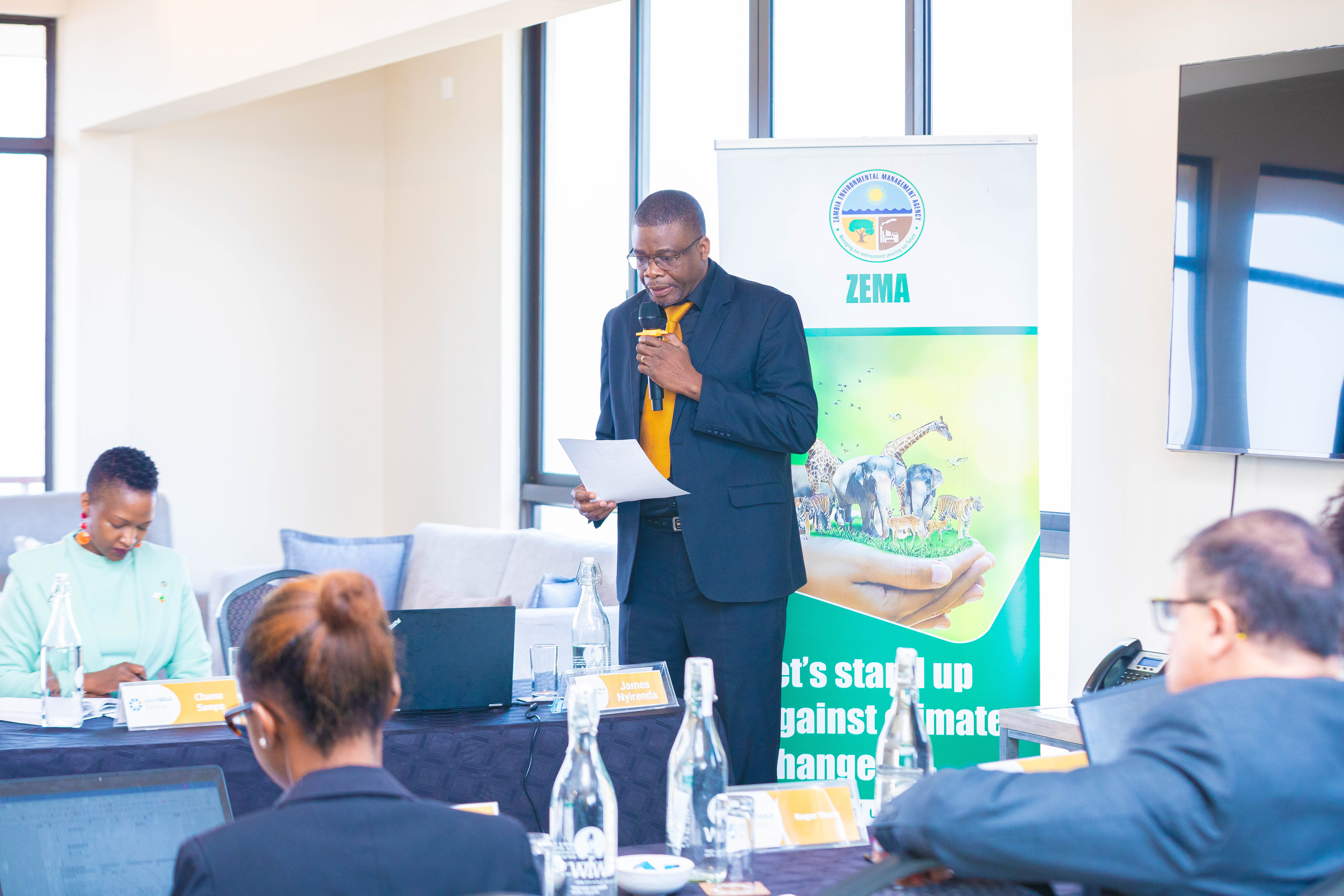
“The continued engagement of the National Advisory Committee remains important in ensuring that the project stays aligned with its broader objectives and national priorities,” Professor Nyirenda said.
National Project Manager, Ms. Abigail Mwailenge, presented the project’s quarterly report, highlighting key activities and progress across its four components.
Ms. Mwailenge reported on the Gender Mainstreaming Knowledge Retention Evaluation conducted among miners in Chisamba and Mpika, as well as community-led land restoration priorities identified in Mpika and Shiwang’andu.
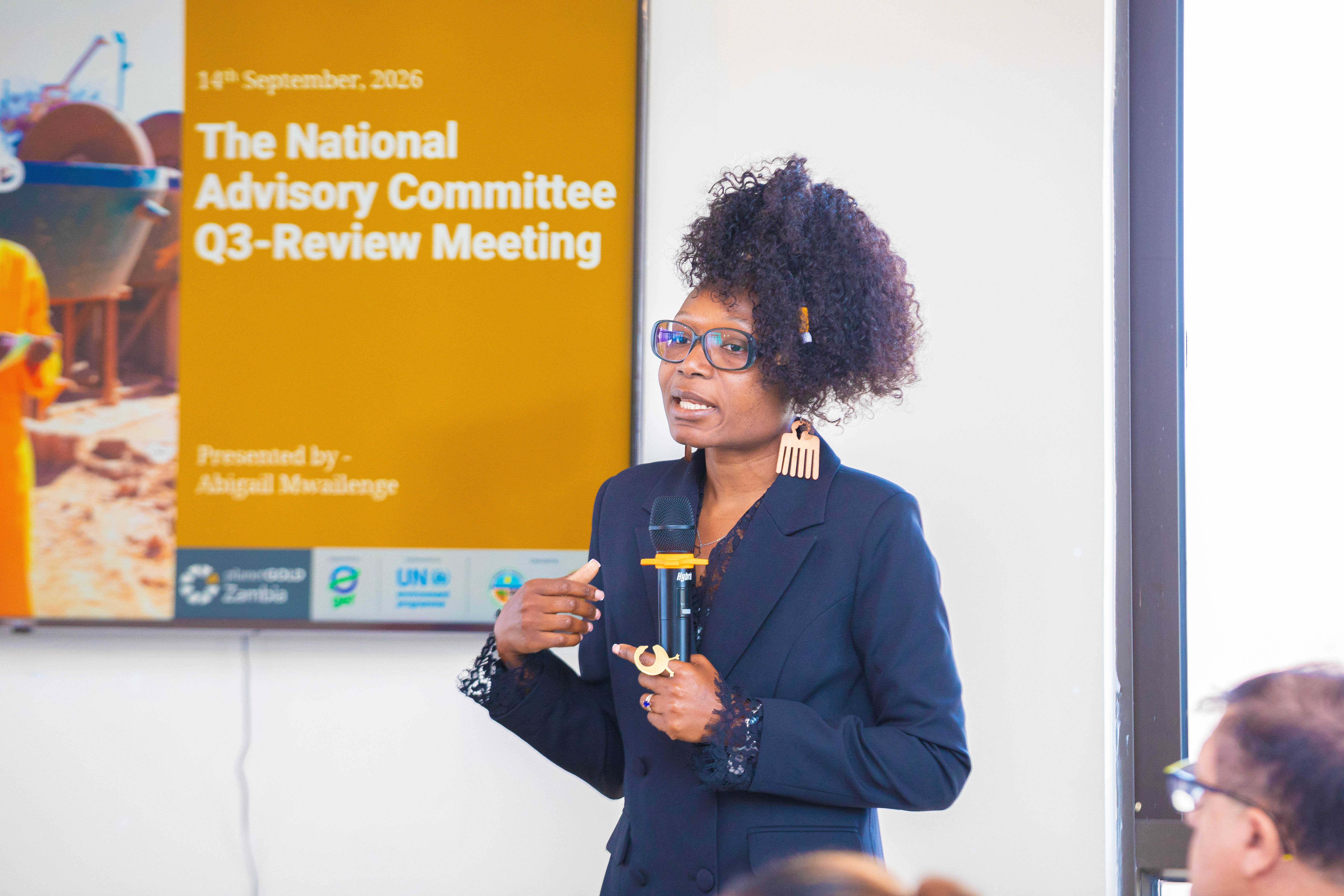
She also highlighted the National Gold Strategy Workshop convened by the Ministry of Mines and Minerals Development (MMMD), the Zambia Environmental Management Agency (ZEMA), and the planetGOLD Zambia Project to support the development of a Ministry-led National Gold Strategy.
The Strategy seeks to provide a coordinated framework for strengthening gold governance and supporting the implementation of interventions across Zambia’s gold mining sector.
Ms. Mwailenge further reported progress on preparations for the centralised Mercury-Free Processing System (MFPS) pilot sites in Kanyelele, Mpika, and Matipa, Chisamba.
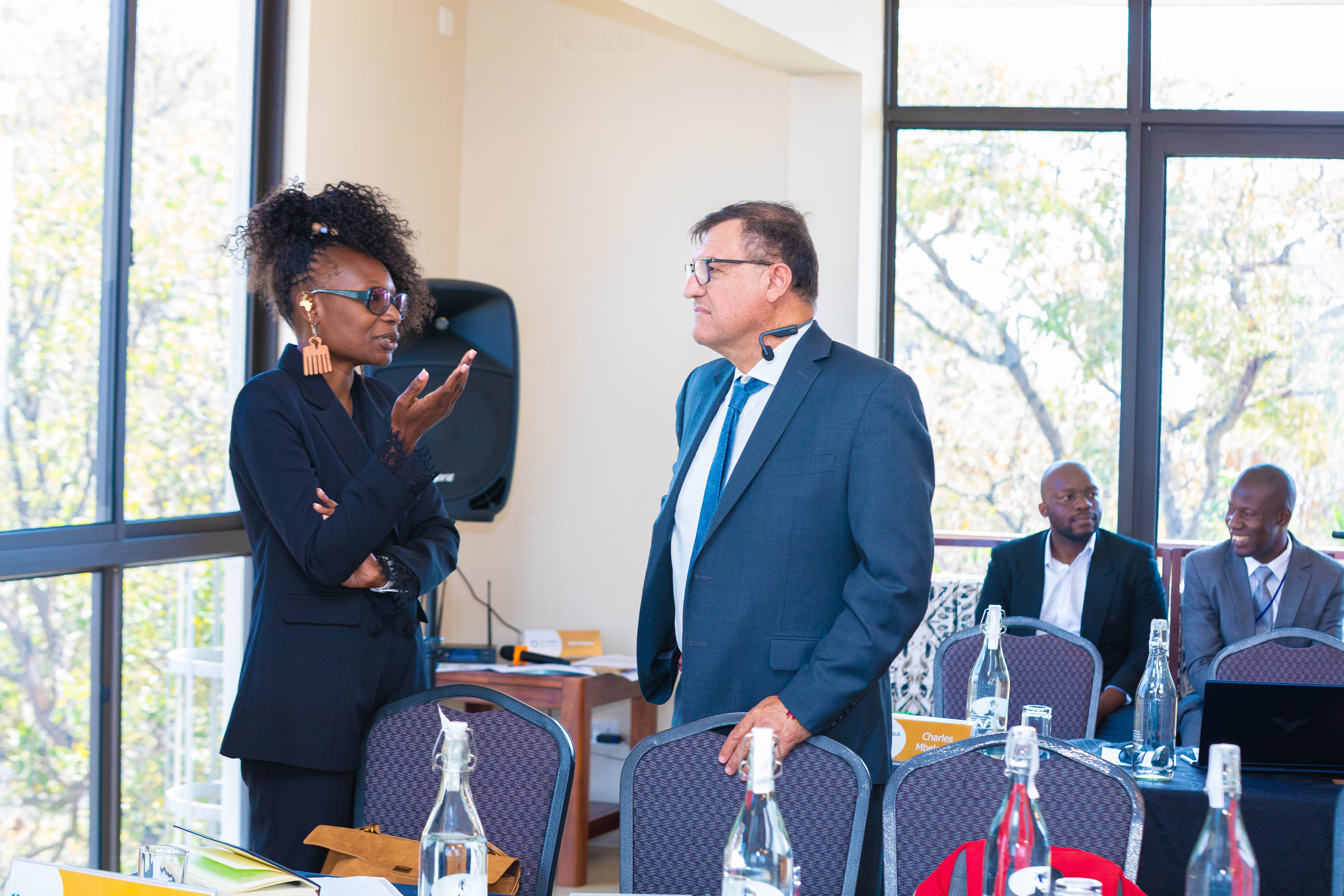
“The MFPS sites will support the transition towards mercury-free gold processing and demonstrate responsible gold processing practices,” Ms. Mwailenge said.
The quarterly report also featured the KUDEKHA music project, produced in collaboration with The Big Team Entertainment, DJ Mzenga Man and Slapdee. The initiative uses music as a creative approach to raise awareness of responsible and mercury-free mining practices among mining communities and the wider public using local language.
During the discussions, NAC member Ms. Florence Mwale raised concerns about the impact of mining activities on local water sources. She noted that pollution was affecting water used by communities for drinking, bathing and cooking, while also threatening fish and other aquatic life.
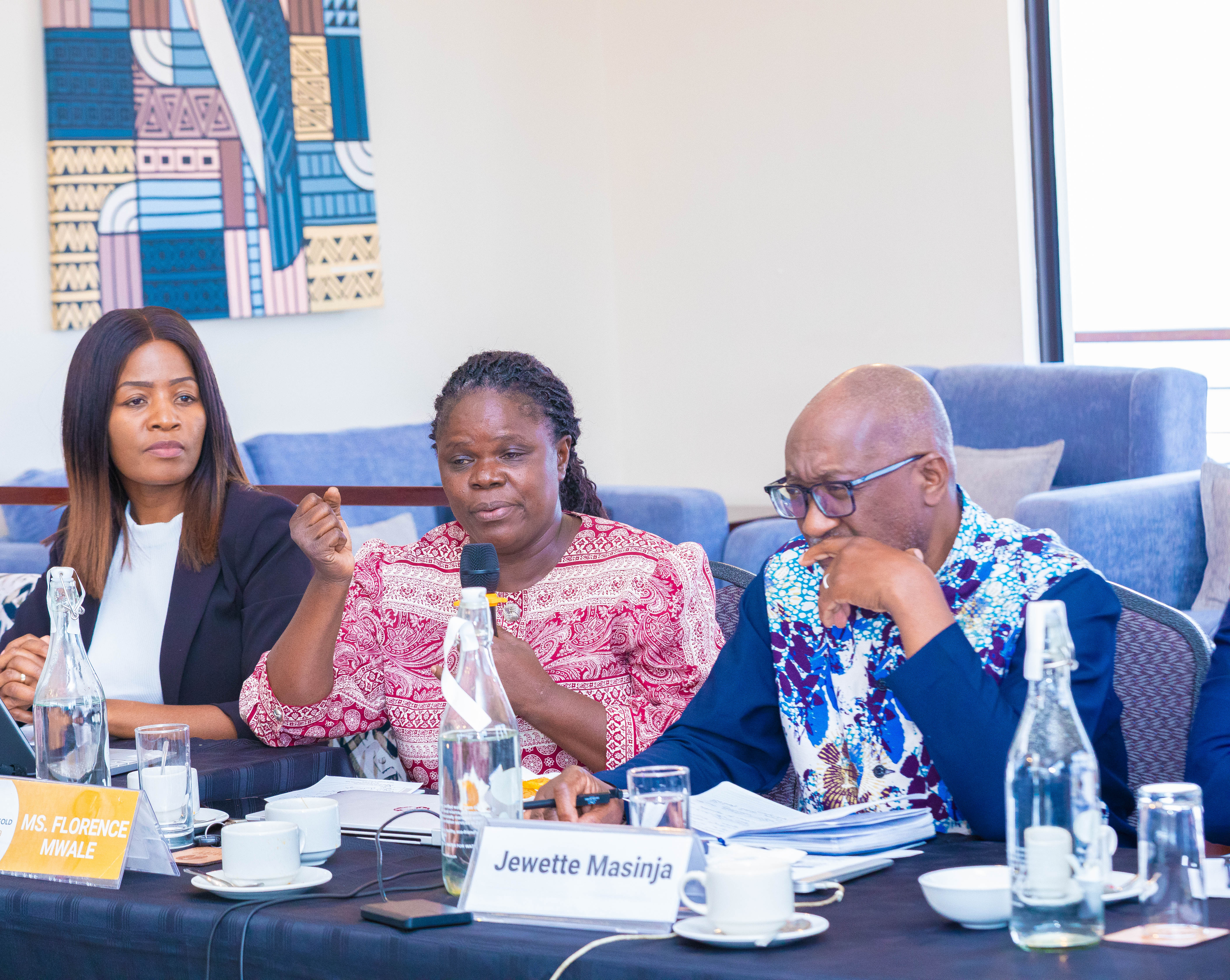
“The water is being affected by mining activities, yet communities depend on it for drinking, bathing and cooking. The pollution is also affecting fish and other aquatic life,” Ms. Mwale said.
Her concerns highlighted the need for strengthened environmental protection, monitoring and restoration measures in mining-affected areas.
The meeting also highlighted the importance of strengthening gender considerations in ASGM communications. Mr. Peter Mhone noted that communication initiatives should better highlight the vital participation and contribution of women in the sector.
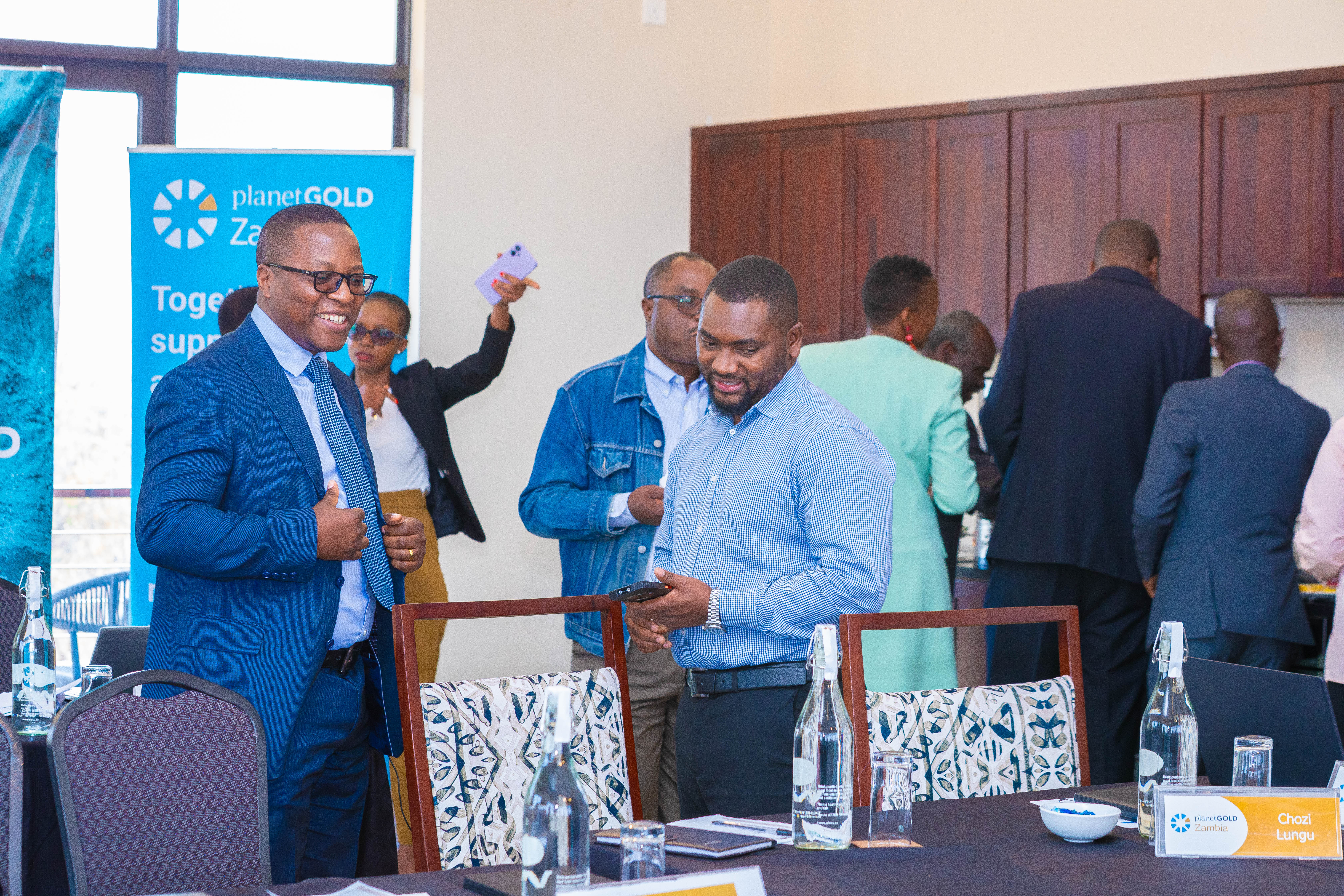
The discussions provided NAC members with an opportunity to share perspectives, review project progress and provide guidance on key areas of implementation.
In the closing remarks delivered on behalf of the Acting Director General of ZEMA, Mr. Sylvester N’guni thanked NAC members for their participation and valuable contributions to the meeting.
Knowledge Areas: