
News
29 July 2026
Countries:
-
 Communications Officer, planetGOLD Zambia
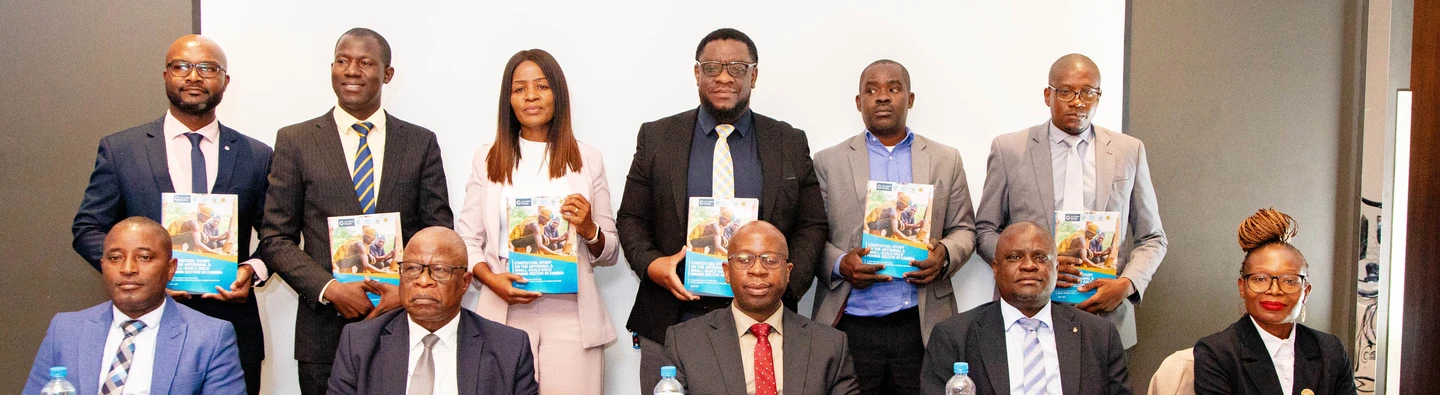
On 28th July 2026, the planetGOLD Zambia Project launched its Contextual Study Report on Zambia's Artisanal and Small-Scale Gold Mining (ASGM) Sector, presenting comprehensive findings from research conducted across six ASGM sites in Mpika, Mumbwa, Chisamba, Vubwi, Lusanganzi and Rufunsa. The sites were selected to capture the diverse operational realities and community dynamics that characterise the country's ASGM sector.
The study provides critical evidence to guide interventions aimed at promoting safer and more responsible mining practices, recognising that responsible mining is not only about increasing gold production but also about protecting the environment and safeguarding the health and well-being of mining communities.
Permanent Secretary in the Ministry of Green Economy and Environment, Dr. Douty Chibamba, reaffirmed Zambia's commitment to protecting both human health and the environment through the implementation of the Minamata Convention on Mercury, which the country ratified in 2016.
Dr. Chibamba said that through the Zambia Environmental Management Agency (ZEMA), the Government has taken a leading role in understanding the extent of mercury use and its impact on people and ecosystems.
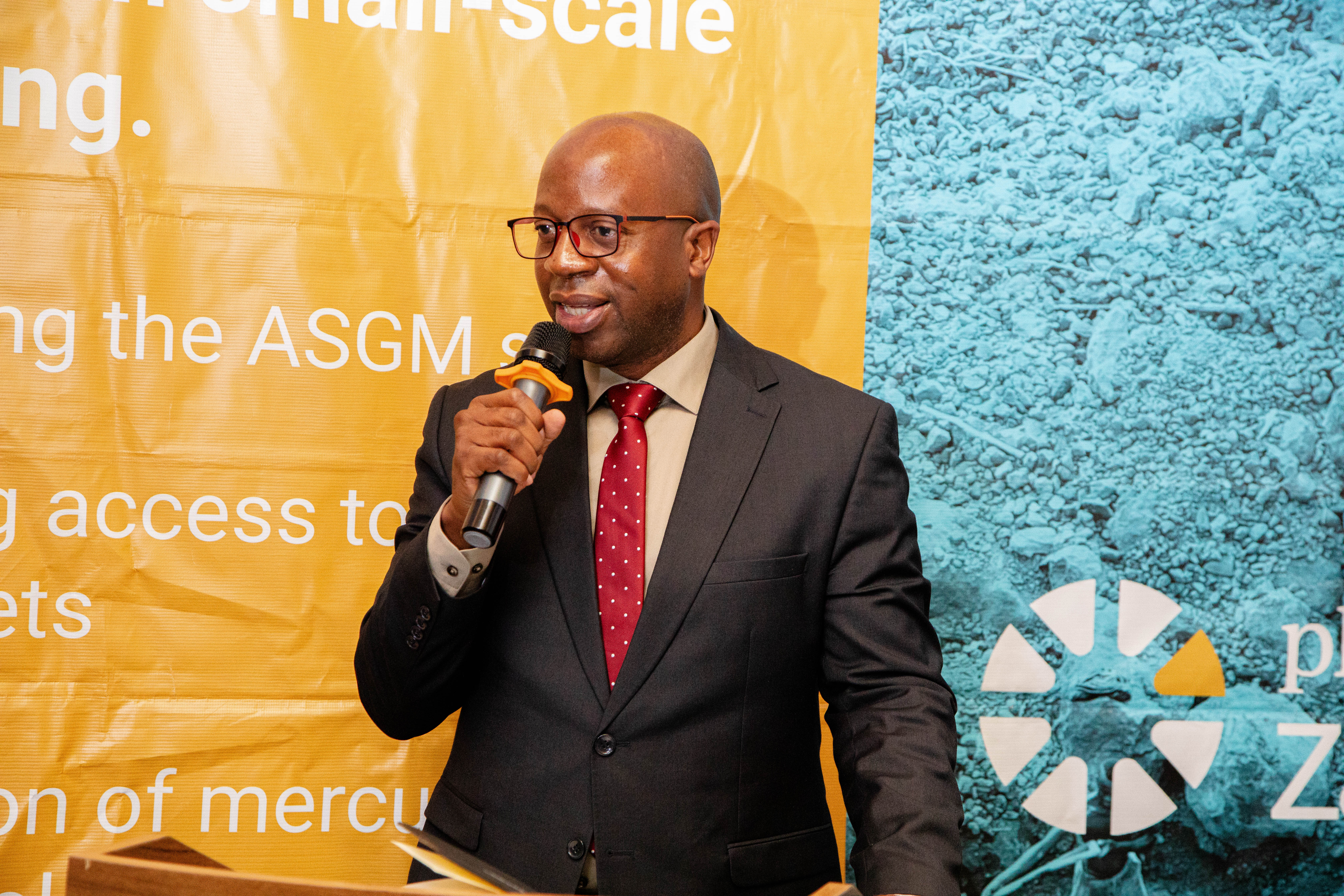
He noted that the development of the National Action Plan on Artisanal and Small-Scale Gold Mining in 2021, spearheaded by ZEMA, laid the foundation for the planetGOLD Zambia Project, which has since become a cornerstone of the country's efforts to reduce and, where feasible, eliminate mercury use in the ASGM sector.
He further said the project has significantly improved knowledge and understanding of Zambia's ASGM sector while commending the commitment demonstrated by Government institutions, cooperating partners and other stakeholders.
"We must remember that responsible mining is about protecting the ecosystem and safeguarding communities," Dr. Chibamba said.
The Contextual Study reveals that thousands of Zambians engaged in Artisanal and Small-Scale Gold Mining are exposing themselves and their families to mercury, a highly toxic chemical commonly used to separate gold from ore. While mercury enables miners to recover gold, the report warns that it poses significant risks to human health and the environment.

According to the study, miners use an average of 2.56 grammes of mercury for every tonne of gold ore processed, with Rufunsa and Lusanganzi districts recording the highest levels of mercury use, where gold processing remains entirely dependent on the chemical.
Although mercury is primarily handled by men during gold processing, the report notes that women and children are also affected as the chemical contaminates rivers and streams relied upon by surrounding communities for cooking, washing and other domestic activities.
The findings also reveal that most miners continue using mercury because it remains the most accessible method of processing gold, while safer mercury-free technologies remain beyond the reach of many Artisanal and Small-Scale Gold Miners.
Beyond mercury use, the report highlights significant occupational safety and environmental challenges across mining sites. It’s findings noted that 73.5 per cent of miners work without personal protective equipment, exposing them to hazardous chemicals, dust and workplace injuries. The study also found low levels of formalisation, limited access to finance and formal markets, inadequate social protection, and weak adoption of environmental management practices across many mining communities.
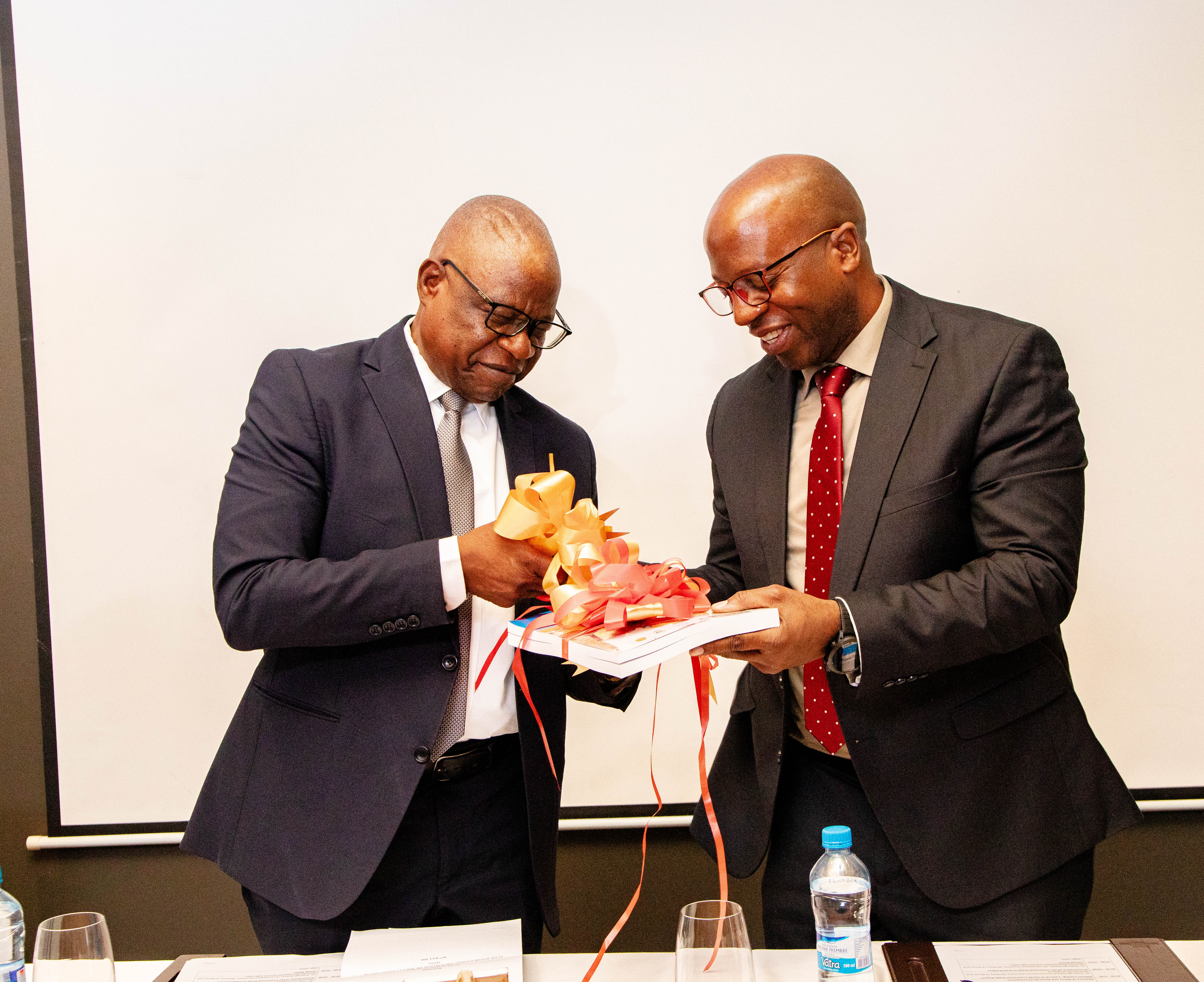
The Contextual Study was officially launched by Permanent Secretary in the Ministry of Mines and Minerals Development, Dr. Hapenga M. Kabeta, who reaffirmed Government's commitment to supporting the formalisation and responsible development of the Artisanal and Small-Scale Gold Mining sector.
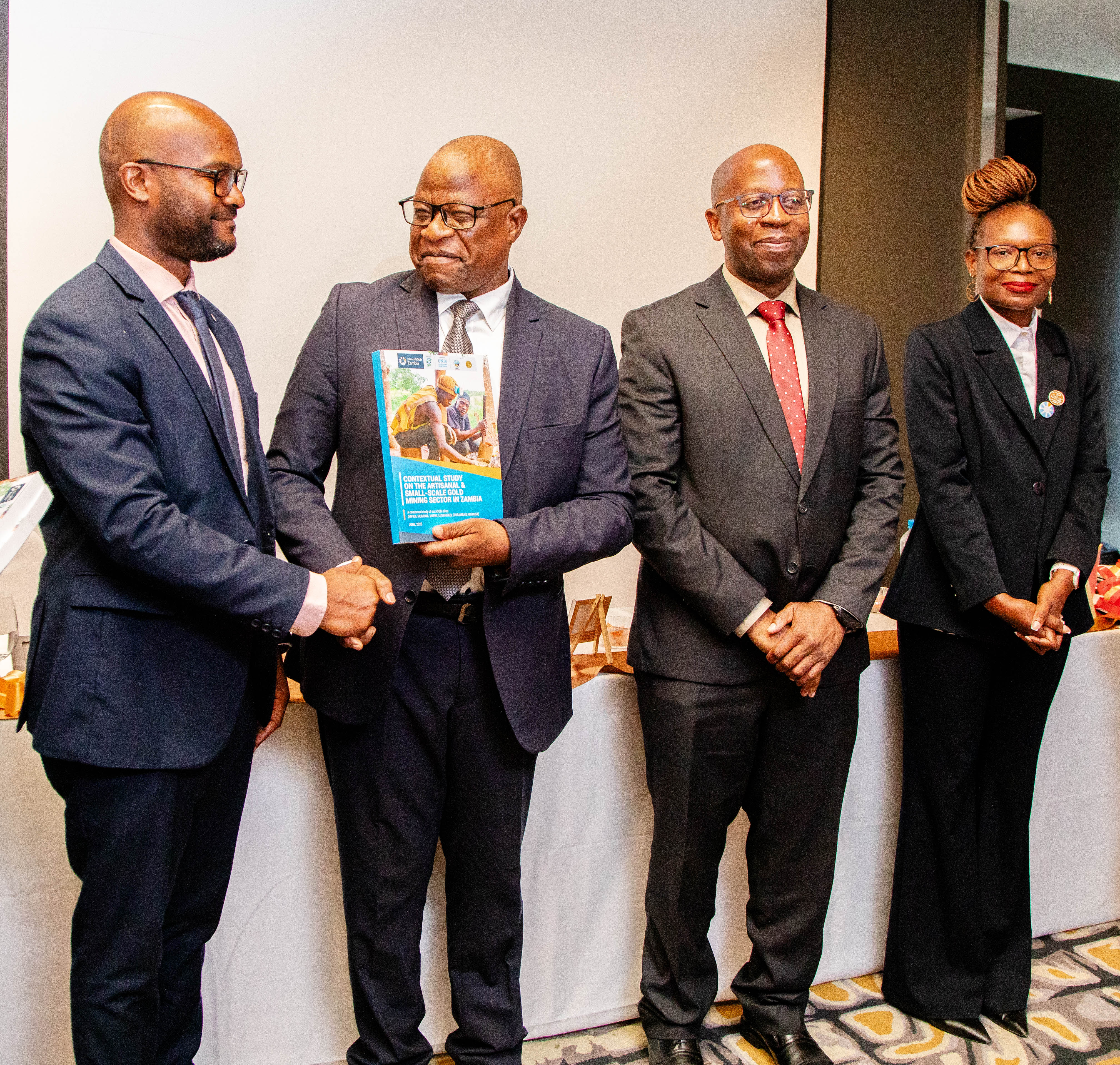
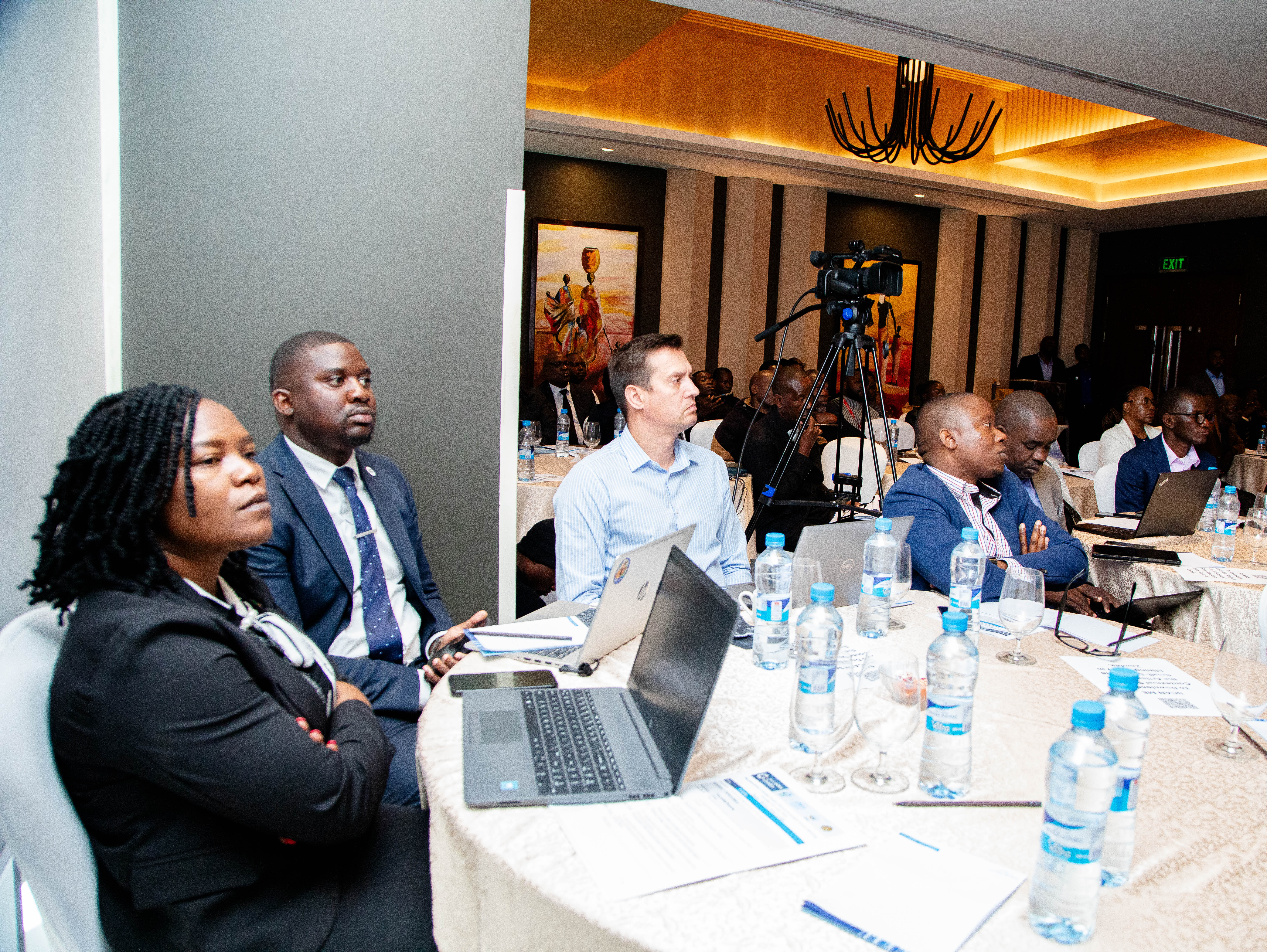
Following the launch, Government representatives, miners, financial institutions and other stakeholders participated in panel discussions to examine the study's findings and identify practical solutions for transforming the sector.
The discussions focused on accelerating formalisation, expanding access to finance and formal markets, promoting the adoption of mercury-free technologies, and strengthening collaboration among stakeholders to support a safer, more productive and environmentally responsible ASGM sector.
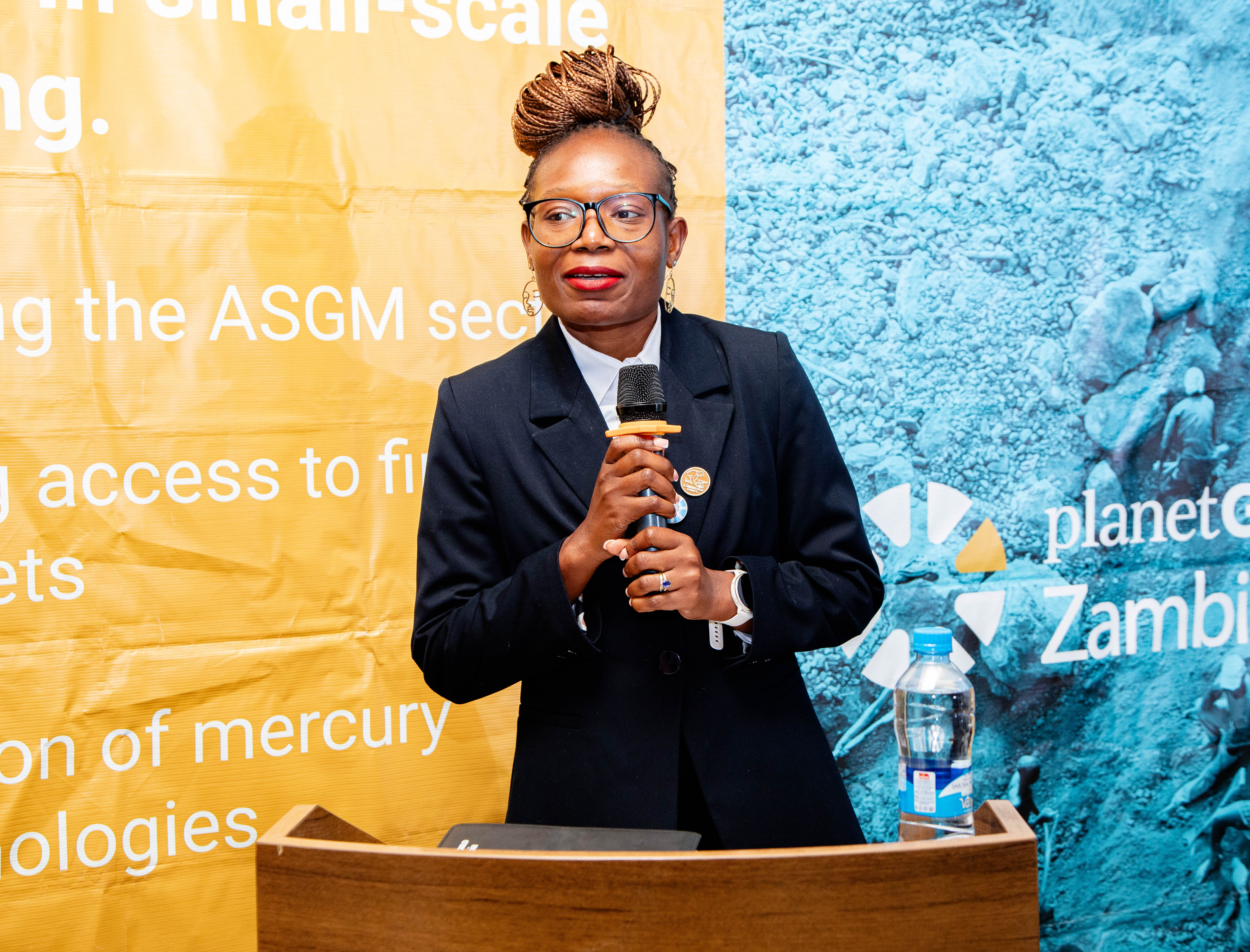
Among its key recommendations, the Contextual Study calls for the gradual phase-out of mercury use in Zambia's Artisanal and Small-Scale Gold Mining sector by 2027, alongside increased investment in alternative mercury-free processing technologies.
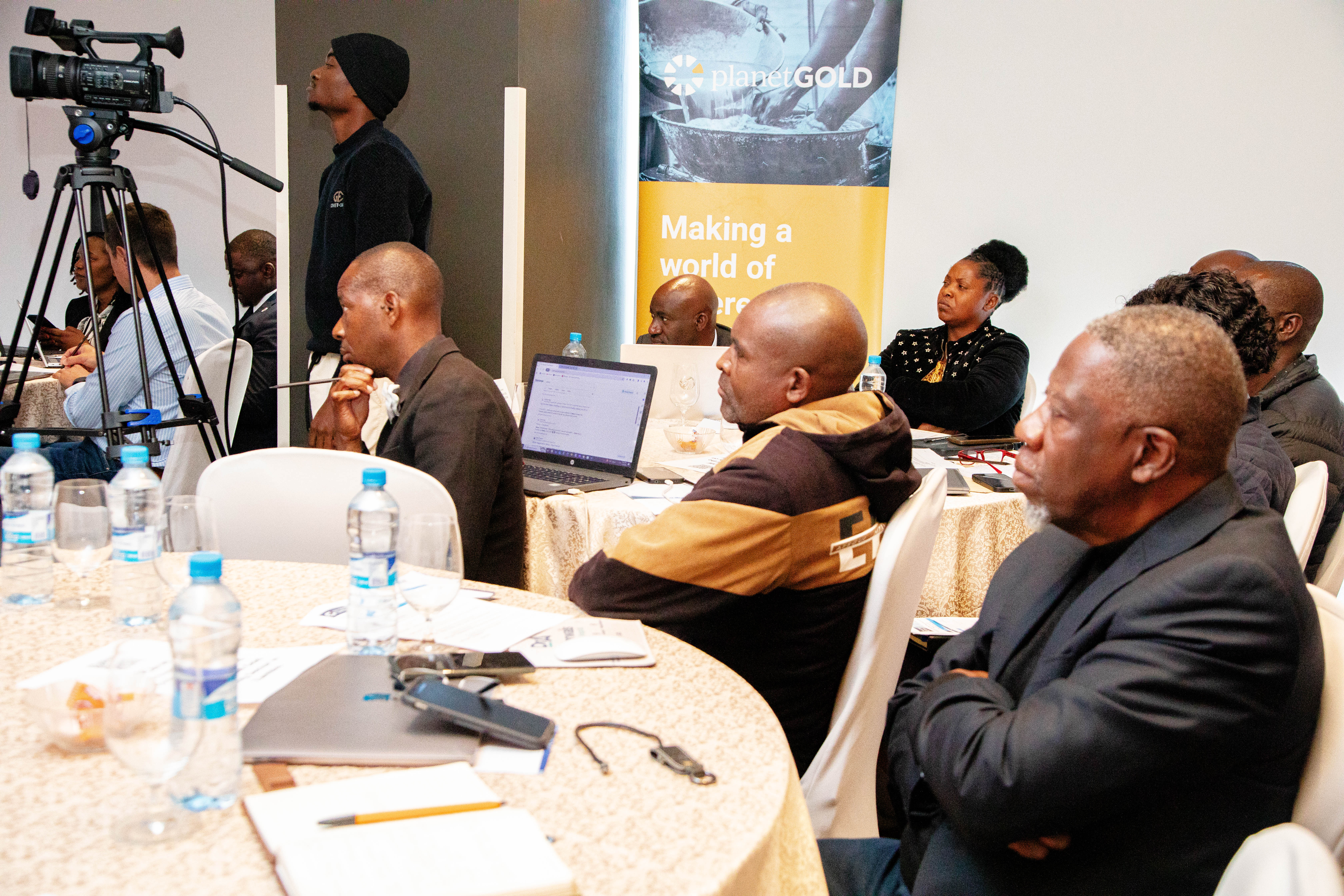
The report also recommends strengthening formalisation efforts, improving access to financial services, enhancing occupational health and safety standards, and expanding awareness programmes to support responsible mining practices.
Download a copy of the Contextual Study Report from the planetGOLD Zambia website to learn more about the findings and recommendations for transforming Zambia's Artisanal and Small-Scale Gold Mining sector.
Knowledge Areas: