
News
27 August 2025
Countries:
-
 Communications Officer, planetGOLD Zambia
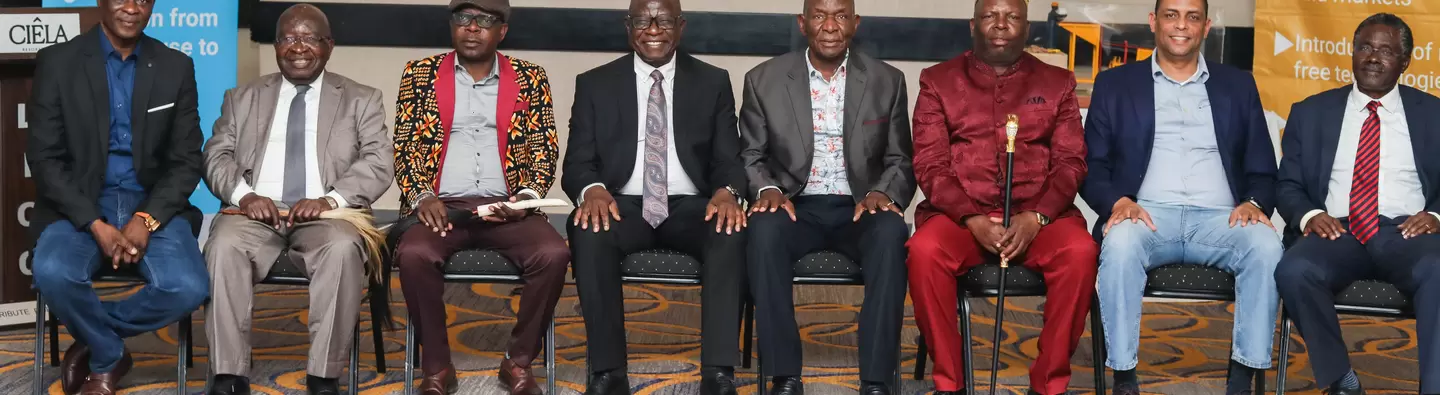
On 14–15 August, the planetGOLD Zambia Project hosted a Chiefdom Orientation in Lusaka under the theme “Harnessing Traditional Leadership to Unlock Zambia’s Full Potential for Formalisation.”
The meeting brought together 10 Chiefs with active Artisanal and Small-Scale Gold Mining (ASGM) activities in their chiefdoms, alongside representatives from key Government Ministries, regulatory bodies, and the private sector.
The Guest of Honour, His Royal Highness Chief Kaputa, underscored the urgent need for formalisation of the ASGM sector. He highlighted that formalisation can:
• Bring miners into the formal economy
• Create financing solutions for small-scale miners
• Unlock development potential
• Improve community livelihoods
• Promote responsible resource management and sustainable development
Chief Kaputa stressed that traditional leadership plays a critical role in shaping behaviours, fostering community engagement, and supporting adherence to mining regulations. He added that strong leadership in the ASGM sector could help reduce poverty and lessen dependence on financial aid.
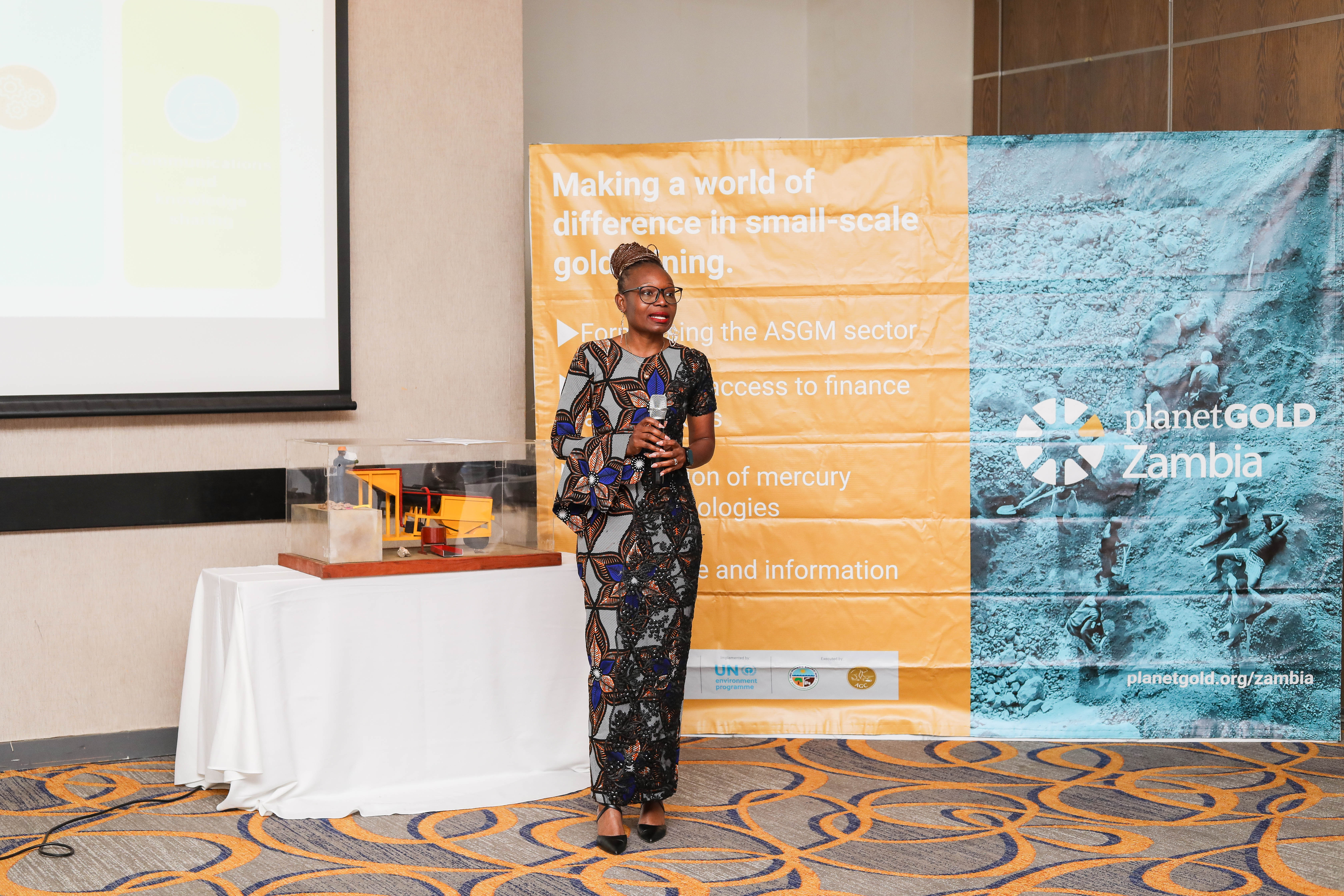
Ms. Abigail Mwailenge, National Project Manager, introduced the project to the traditional leaders, noting that the planetGOLD Zambia Project was officially launched in November 2024. She emphasized that formalisation not only protects miners’ rights and livelihoods but also:
• Enables environmental monitoring and safety standards
• Supports community development
• Facilitates growth in mining communities citing examples of Solwezi, Lumwana, and Kalumbila
Mr. Brighton Kateka, Chief Mining Engineer at the Ministry of Mines and Minerals Development, detailed provisions on Artisanal Mining Licenses, stating that these can coexist in large-scale mining or exploration licenses. Exceptions apply only if:
• The artisanal miner seeks to mine the same mineral as a large-scale license holder
• The area of interest falls within a large-scale mine’s operations
• The small-scale activity risks disturbing large-scale mining operations
In his closing remarks, Dr. Hapenga Kabeta, Permanent Secretary at the Ministry of Mines and Minerals Development, emphasized the vital role of traditional leaders in curbing harmful practices such as mercury use in Artisanal and Small-Scale Gold Mining. He noted that while Government presence is limited in remote mining areas, chiefs are always present and can provide critical leadership.
Dr. Kabeta further encouraged chiefs to establish Community Development Trusts to ensure mining revenues address community needs. He also suggested that chiefs allocate land plots to miners, making them responsible for safeguarding their areas, unlike the current situation where artisanal mining sites lack accountability.
He concluded by highlighting Government’s efforts to establish gold market centres and urged chiefs to encourage artisanal miners to obtain licenses so that mining can be carried out formally, safely, and sustainably—for the benefit of all.
Knowledge Areas: