
News
05 August 2026
Countries:
-
 Communications Officer, planetGOLD Zambia
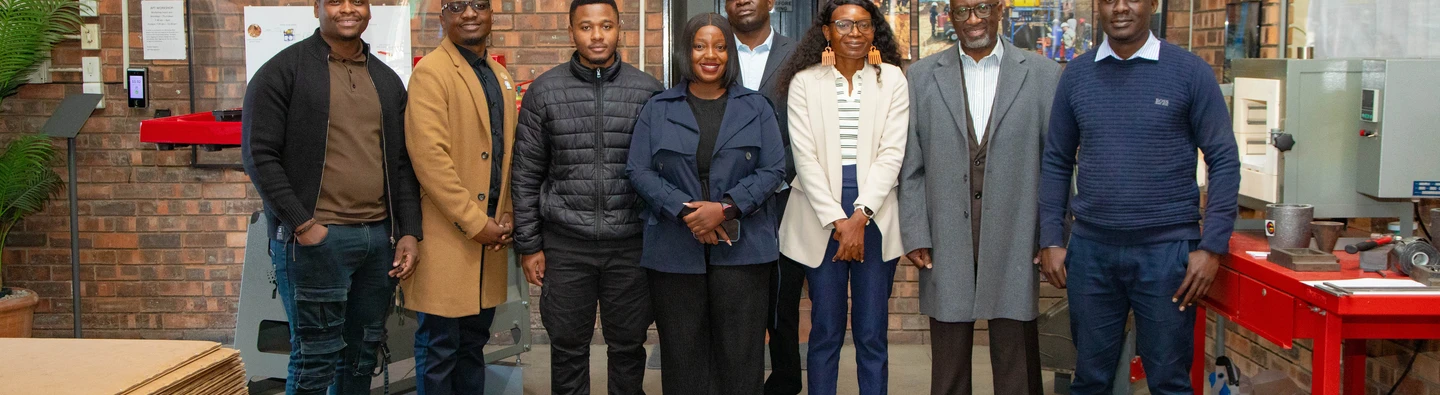
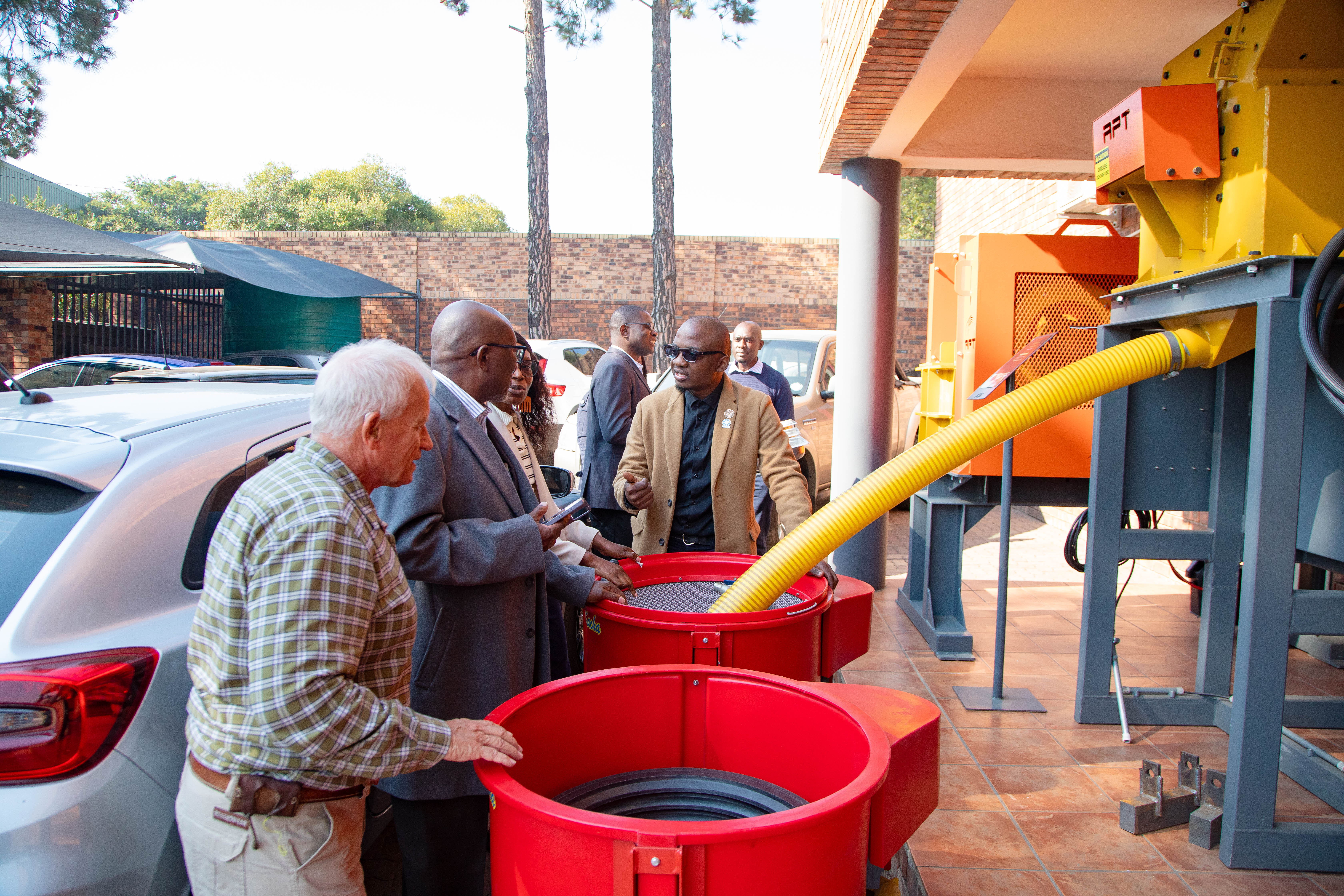
The planetGOLD Zambia Project has reached a major milestone towards establishing centralized Mercury-free Processing Systems (MFPS) pilot sites (Chisamba and Mpika) for Zambia's Artisanal and Small-Scale Gold Mining (ASGM) sector following a technical visit to Appropriate Processing Technologies (APT) in South Africa to assess the equipment.
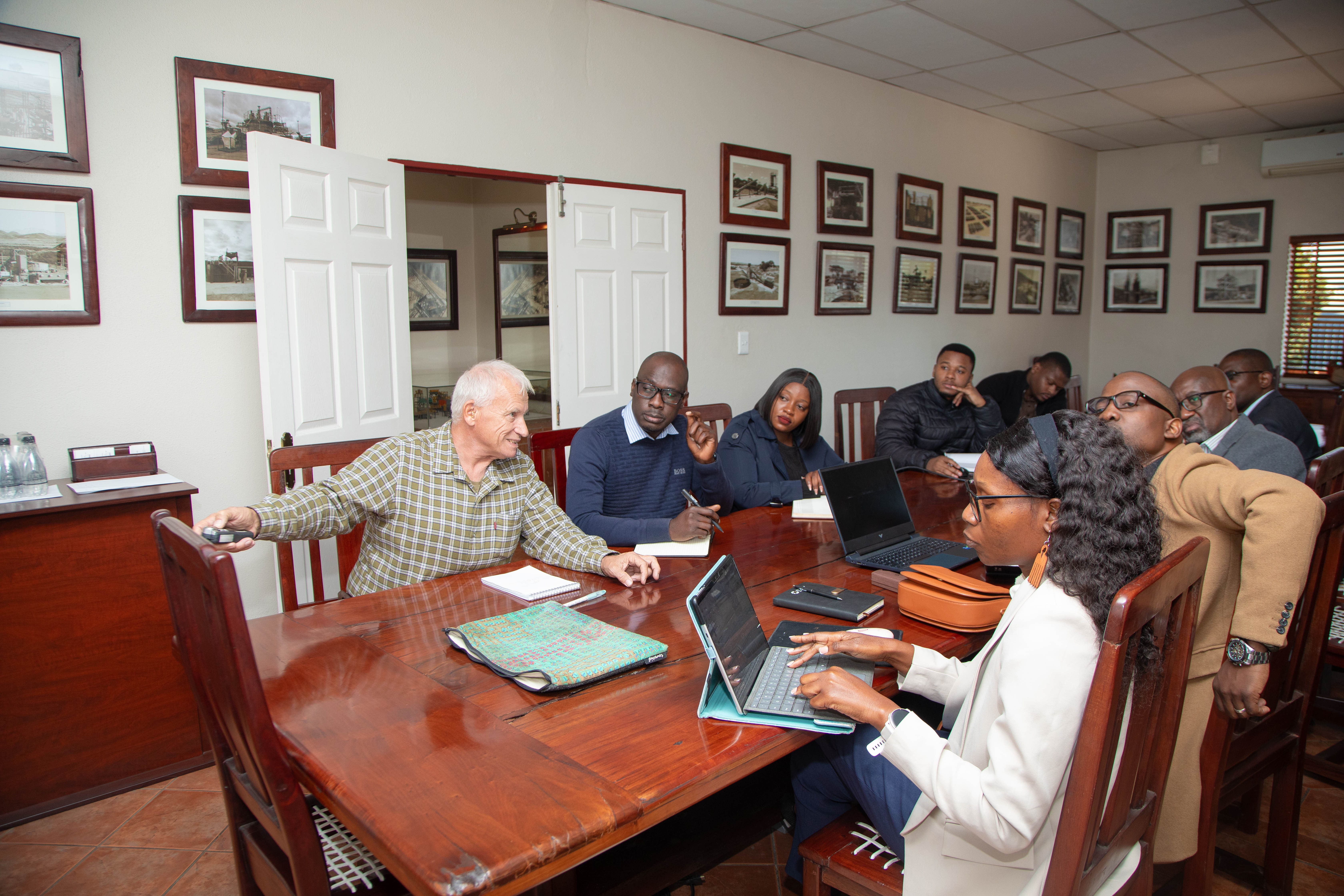
The visit, conducted on 14 July 2026, enabled the project team and key stakeholders to finalize technical discussions on the equipment and process design for the Mercury-Free Processing Systems (MFPS) that will be installed at two pilot sites in Kanyelele, Mpika District, and Matipa, Chisamba District.
National Project Manager Ms. Abigail Mwailenge said the project's investment in mercury-free technology is informed by extensive research undertaken over the past year.
"The project conducted a contextual study to understand why miners mine, why they use mercury, what processing methods they use and how much gold they produce. We also carried out geological feasibility studies to understand the ore characteristics at different ASGM mining sites," she said.

She explained that the findings informed the selection of Kanyelele in Mpika District and Matipa in Chisamba District as pilot locations for centralized Mercury-Processing Systems (MFPS).
The MFPS sites will serve as demonstration centres where Artisanal and Small-Scale Miners can learn modern gold processing techniques without the use of mercury.
Beyond training, the centres will function as shared processing hubs where miners can bring their ore for efficient, environmentally responsible gold recovery.
She added that the visit to APT successfully concluded the evaluation of the processing equipment, allowing the project to move towards completing procurement and installation.
"We are very happy with the equipment that we have seen and hope it will create a multiplier effect of technology transfer, enabling more miners across Zambia to adopt mercury-free processing technologies," she said.
The technical visit also highlighted the project's commitment to multi-stakeholder collaboration by bringing together representatives from Zambia Enviromental Management Agency (ZEMA), the Ministry of Mines and Minerals Development and the University of Zambia.
Project Metallurgist Musanje Chikatala said the visit marked an important technical milestone as the project finalized discussions on plant design, process flow and equipment specifications for the Mercury-Free processing Systems.

"We have emphasized a multi-sectoral approach to ensure sustainable solutions for the Artisanal and Small-Scale Gold Mining sector. The participation of government institutions and academia ensures that each stakeholder contributes to developing processing systems that are efficient, environmentally responsible and economically beneficial for miners," he said.
Dr. Jewett Masinja, Lecturer in the School of Mines at the University of Zambia, welcomed the project's commitment to donate a pilot processing plant to the university.
Dr. Masinja said the facility will strengthen practical training for students in mining engineering, geology and metallurgy while providing a demonstration platform for mercury-free gold processing up to doré production.

"The pilot plant will significantly enhance practical learning for our students while supporting research and demonstration of modern gold processing technologies. It also presents an opportunity for the University to contribute directly to the development of Zambia's Artisanal and Small-Scale Mining Sector," he said.
Once installed, the two centralized processing facilities in Mpika and Chisamba will serve as demonstration and knowledge-sharing centres that promote safer, cleaner and more efficient gold processing.
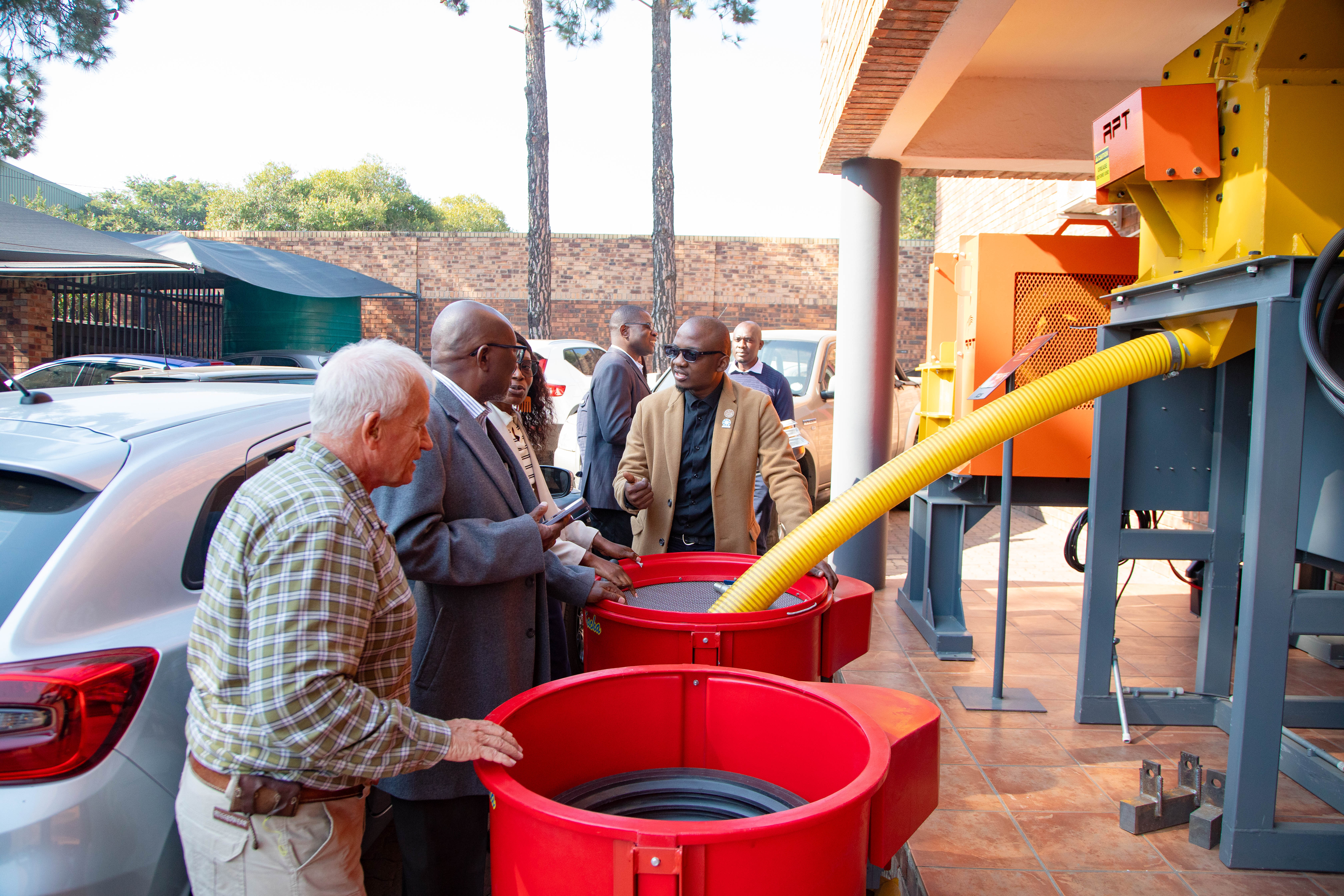
The initiative forms part of the planetGOLD Zambia Project's component three; uptake of mercury free technologies and the broader impact goal of reducing mercury by 1.1 metric tons.
Knowledge Areas: