

News
08 May 2026
Countries:
The planetGOLD Ghana Project has intensified efforts to promote healthier mining communities and environmentally responsible gold production through a series of health education and community sensitization programmes in the Adansi North District of the Ashanti Region.
The initiative forms part of the project's broader commitment to reducing mercury use in Artisanal and Small-Scale Gold Mining (ASGM) while improving public health and environmental outcomes in mining communities.
Raising Awareness on Mercury Risks and Community Health
The sensitization programme brought together 119 participants, including miners, gold buyers, food vendors, women’s groups, security personnel, community representatives, and officials from the Adansi North District Assembly. Of the participants, 64 were male (53%) and 55 were female (47%), reflecting broad stakeholder representation across the ASGM value chain.
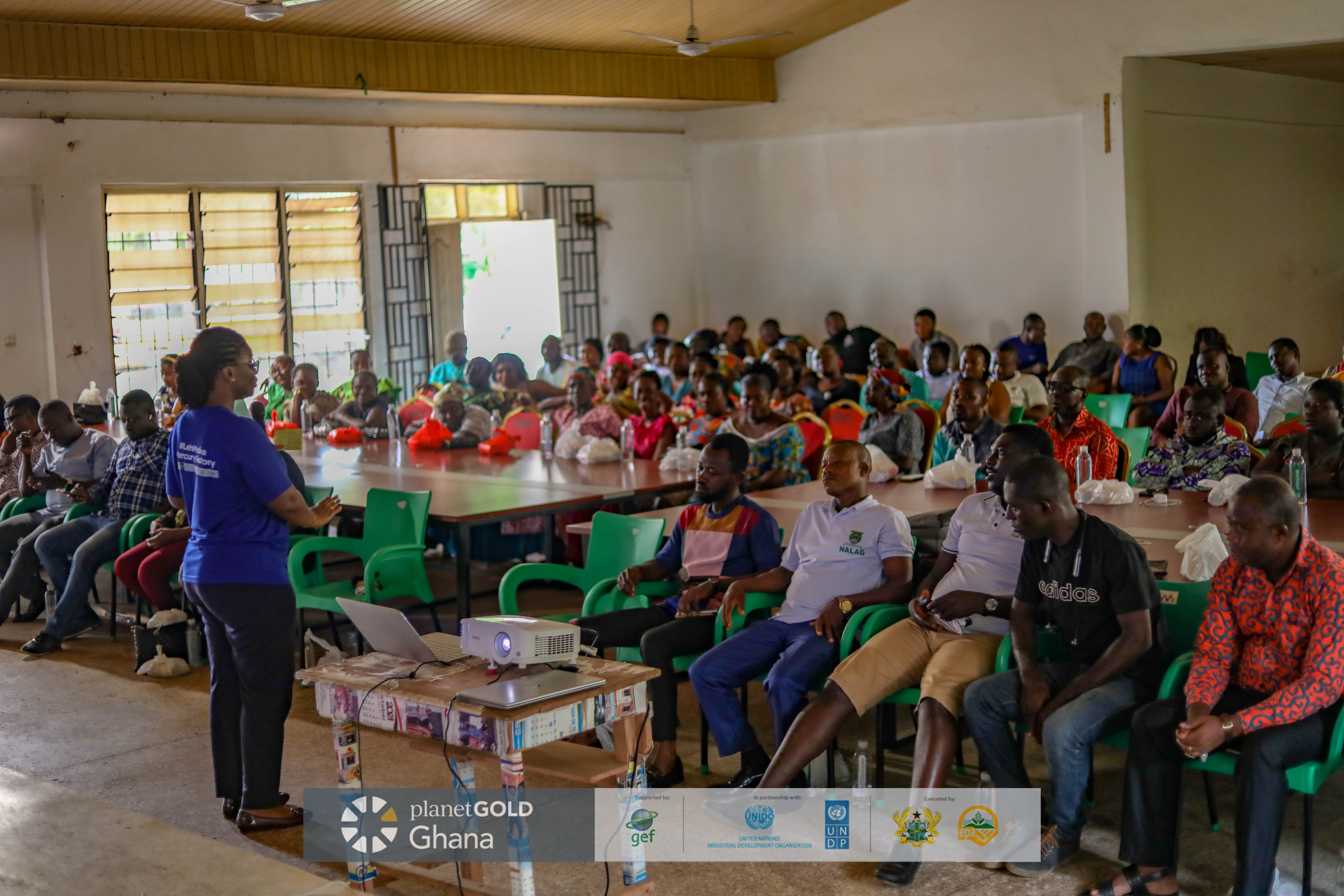
The workshop was officially opened by the Director of Human Resources of the Adansi North District Assembly, who represented the District Chief Executive. In his remarks, he commended the Environmental Protection Authority (EPA) and the health sector facilitators for organizing the programme and emphasized the importance of community education in addressing the health risks associated with mercury exposure.
He encouraged participants to actively engage in the discussions and apply the knowledge gained to safeguard their health and the wellbeing of their communities.
Providing an overview of the project, planetGOLD Ghana Project Coordinator, Mr. Lovelace Sarpong, highlighted the project's objectives of reducing mercury use in the ASGM sector while promoting sustainable mining practices and improved environmental and public health outcomes.
Facilitators led interactive sessions that examined the environmental and health consequences of mercury use in gold processing. Participants learned how mercury contamination affects soil and water bodies and can accumulate in fish, crops, and other food sources, posing serious risks to human health.
The sessions also highlighted the potential health impacts of mercury exposure, including neurological disorders, kidney damage, respiratory complications, developmental abnormalities, and congenital disorders in children.
Beyond mercury-related concerns, discussions addressed other public health challenges commonly associated with ASGM communities, including poor sanitation, unsafe drinking water, malaria resulting from stagnant water in abandoned mining pits, exposure to contaminated process water, dust-related respiratory illnesses, occupational injuries, and substance abuse.
Participants were encouraged to support efforts aimed at reducing these risks by adopting environmentally responsible practices, reporting unsafe mining activities, supporting land reclamation initiatives, and participating in local health programmes. The programme further emphasized the role of community durbars, school outreach activities, and collaboration with traditional authorities and local leaders in promoting safer mining practices, improved hygiene, and effective waste management.
Promoting Mercury-Free Gold Processing Technologies
A key highlight of the programme was the introduction of mercury-free gold recovery technologies as viable alternatives to conventional mercury-based processing methods.
Facilitators demonstrated the benefits of gravity concentration techniques, including sluicing and shaking tables, as well as the use of borax in gold processing. Participants learned that these technologies can effectively recover gold without exposing miners and communities to the harmful effects of mercury.
The sessions underscored that, when properly applied, mercury-free technologies can enhance gold recovery rates while reducing environmental pollution and protecting the health of miners and nearby residents.
The discussions generated strong interest among participants, many of whom welcomed the opportunity to learn about practical and sustainable alternatives that support both productivity and environmental stewardship.
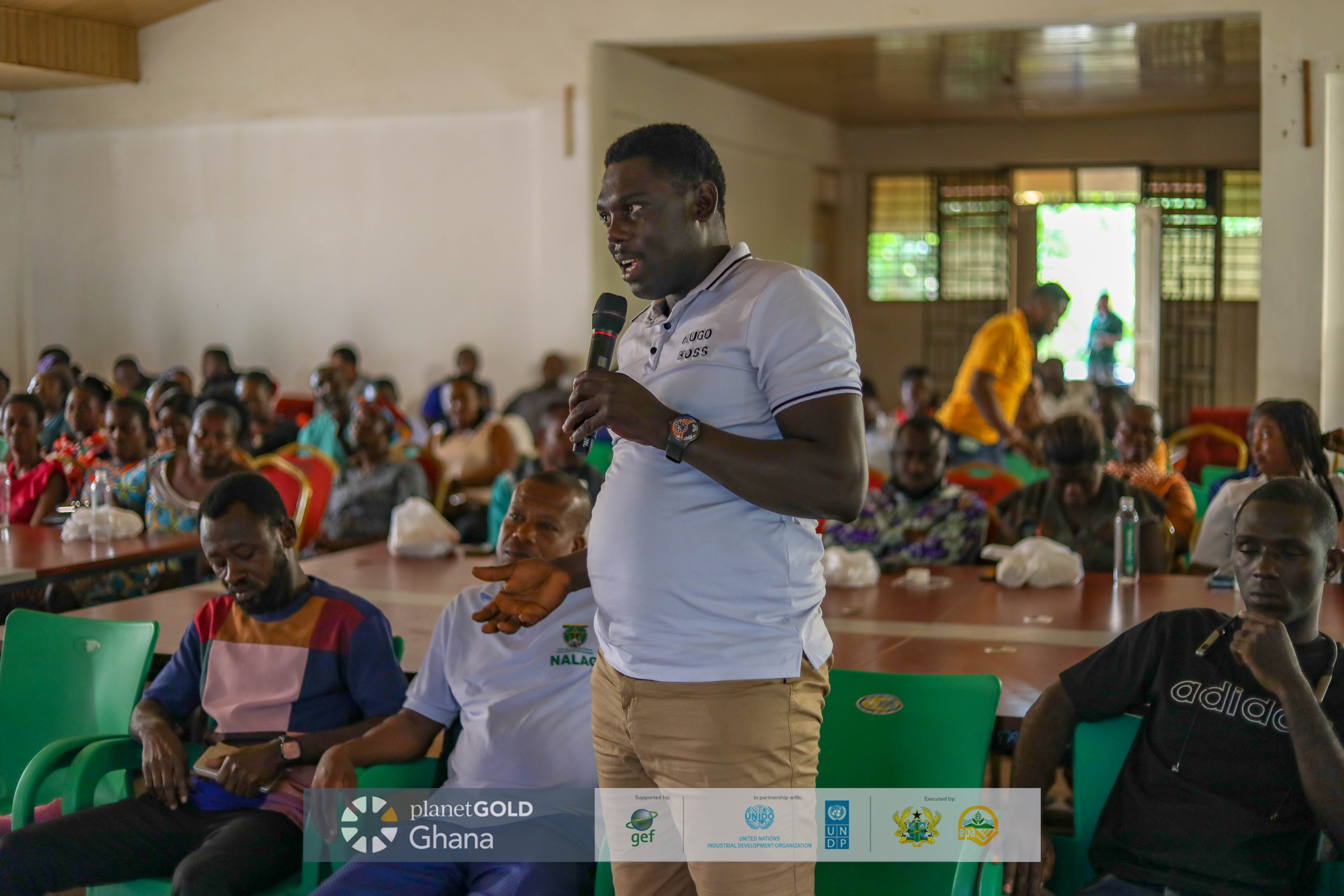
Through initiatives such as these, planetGOLD Ghana continues to empower mining communities with the knowledge and tools needed to transition towards safer, healthier, and mercury-free gold production practices.
Knowledge Areas: