
News
03 November 2025
Countries:
The planetGOLD Ghana Project has inaugurated a Grievance Redress and Child Protection Committee (GRaCPC) to promote accountability, transparency, and child protection within artisanal and small-scale gold mining (ASGM) communities. The initiative marks a major milestone in Ghana’s efforts to promote safer, mercury-free, and more responsible mining practices.
The inauguration meeting, held on October 27, 2025 brought together representatives from government institutions, non-governmental organizations, the ASGM sector, and traditional authorities.
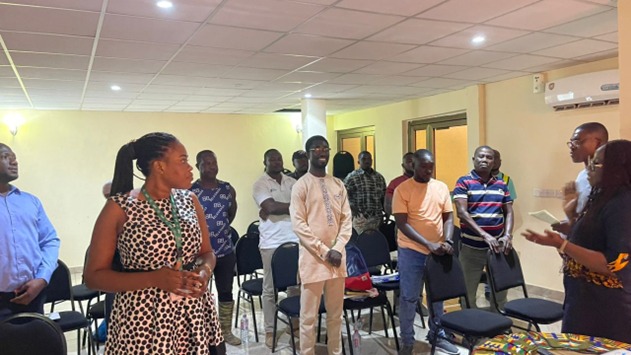
In his opening address, Mr. Isaac Owusu, the Project Safeguard Officer, emphasized the importance of creating community-based mechanisms to address grievances and protect vulnerable groups.
“Responsible mining is not just about production. It is about protecting people, communities, and the environment. The GRaCPC will ensure that concerns are addressed fairly, transparently, and in ways that strengthen trust between stakeholders,” said Mr. Owusu.
Mrs. Justine Seyire Dzadzra, Technical Officer for planetGOLD Ghana, delivered an overview of the project, noting the vital role of the ASGM sector in Ghana’s economy, but also its environmental and health challenges.
“Ghana’s ASGM sector contributes about 80% of the mercury used in the country,” Mrs. Dzadzra said. “Through the planetGOLD Ghana project, we are working to formalize the sector, improve access to finance, and promote mercury-free technologies that protect both miners and communities.”
Some participants raised questions about alternative livelihoods and the affordability of mercury-free methods. Mrs. Dzadzra encouraged miners to prioritize health and sustainability, adding that other initiatives are addressing livelihood diversification.
Touching on the GRaCPC Structure Mr. Owusu said it is a community-based system for managing complaints fairly and confidentially. The GRaCPCs were inaugurated at the community, district, and regional levels, with members drawn from the Minerals Commission, Environmental Protection Authority (EPA), Water Resources Commission, Department of Social Welfare, and civil society organizations such as A Rocha Ghana.
The committees are tasked with:
Providing accessible and transparent grievance channels;
Conducting impartial investigations and proposing fair resolutions;
Monitoring for potential child labor cases; and
Promoting child-safe and responsible mining environments.
Community Engagement in Ekorso
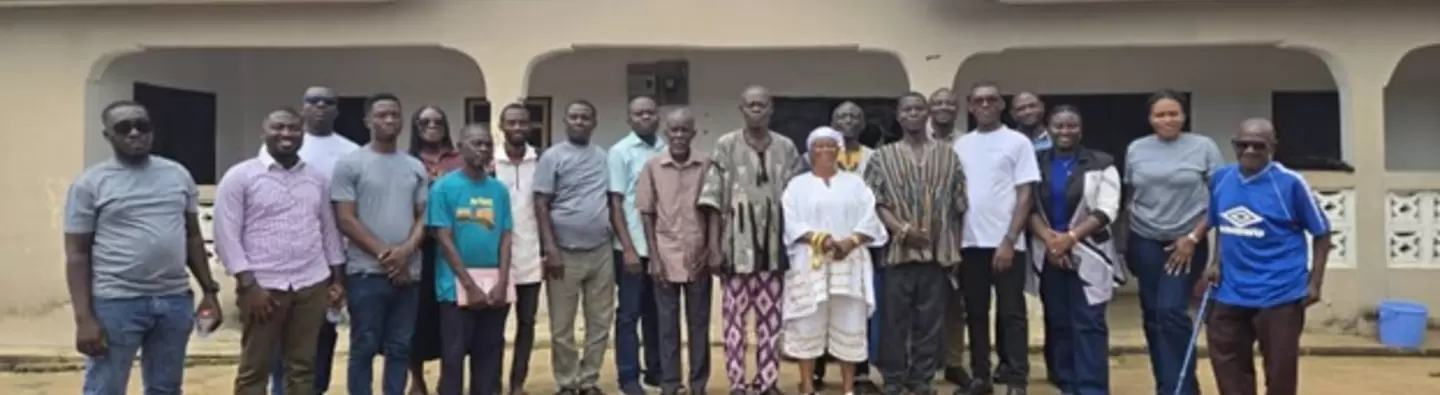
On the second day, the planetGOLD Ghana team visited Ekorso in the Atiwa Mining District to introduce the new committee members. The meeting, hosted at the residence of the Ekorso Queen Mother.
The Queen Mother commended the initiative and urged committee members to resolve disputes with patience and respect. She also encouraged collaboration with traditional leadership in complex cases to maintain harmony within mining communities.
In closing, Mr. Owusu expressed appreciation to all partners and participants for their commitment. “Together, we are building a model for responsible, inclusive, and child-safe mining that can be replicated across Ghana,” he said.
The planetGOLD Ghana Project, funded by the Global Environment Facility (GEF), executed by UNDP and UNIDO, and implemented by the Environmental Protection Authority aims to promote mercury-free technologies, improve access to finance, and strengthen responsible gold supply chains. The GRaCPC initiative is an integral part of broader efforts to formalize the ASGM sector, protect the environment, and enhance the livelihoods of mining communities across Ghana.
Knowledge Areas: