

Voices
04 March 2025
Countries:
-
 Communications Officer, planetGOLD Kenya
The Artisanal and Small-Scale Gold Mining (ASGM) sector plays a key role in Kenya’s economy. It supports the livelihoods of thousands of miners nationwide. However, the sector has long been faced by several challenges. This includes environmental degradation, unsafe mining practices, and the heavy use of toxic chemicals such as mercury. The planetGOLD Kenya project, aims to address these issues by creating a mercury-free, sustainable future for the ASGM sector. This article explores key lessons learned from the project’s journey, particularly in successfully fostering collaboration with county governments.
Strong Institutional Foundations Are Key to Sustainable Change
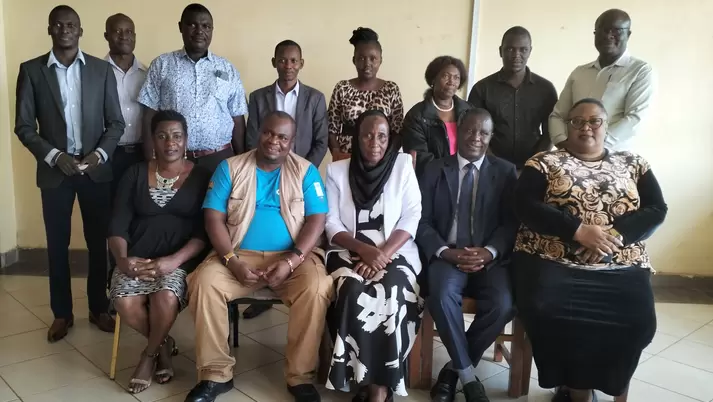
The journey to transform the ASGM sector started with talks with county governments. This included Migori, Kakamega, Narok, and Vihiga. These counties were selected as key partners because they actively participate in gold mining. Their support proved crucial for the project’s success. The project team, therefore, held a clear kick-off meeting and subsequent county follow-up sessions. This helped them share the goals and objectives of the planetGOLD Kenya initiative.
The project’s first part focused on building stronger institutions and regulatory frameworks at national, county, and local levels. This component aimed to improve coordination among different stakeholders. It also sought to enhance oversight and make application processes easier for local concessions, environmental licenses, and permits. In doing so, the project made project improved the capacity of the counties, especially in management of the ASGM sector.
Government Partnerships Drives Long-Term Success
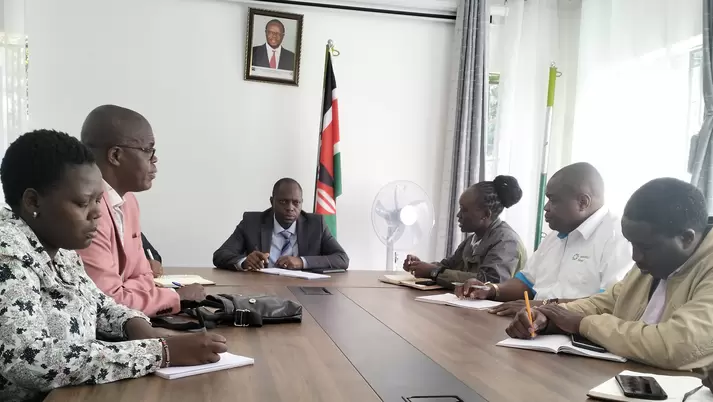
One key milestone in the planetGOLD Kenya project was the emphasis on capacity building. Convincing county governments to take ownership of the project was a top priority from the beginning. As shared by Convine Omondi, the Chief Technical Advisor of planetGOLD Kenya, “For the project to succeed and be sustainable, county governments must take ownership. They need to build skills for managing the ASGM sector, provide land for mercury-free gold processing demonstration sites, and participate in the project’s implementation.”
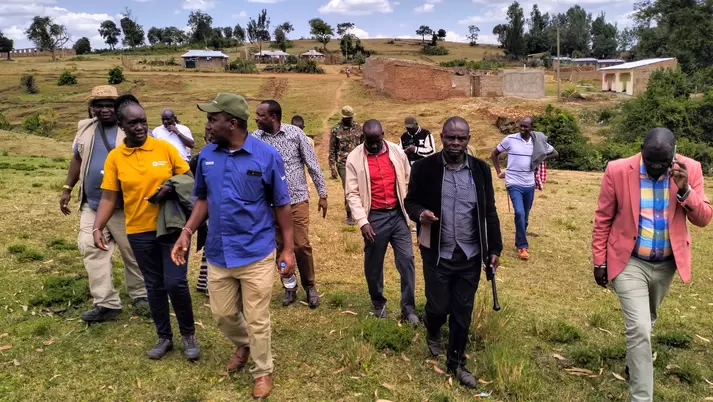
The project team held several training sessions across the counties. They empowered local officials and technical officers, helping them gain the skills needed to manage and oversee ASGM activities effectively. Investing in human capital was definitely critical to the project's long-term success. Now, local governments can better adopt and maintain mercury-free gold processing practices.
The Role of MoUs in Strengthening Accountability
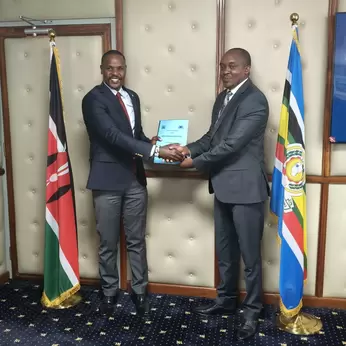
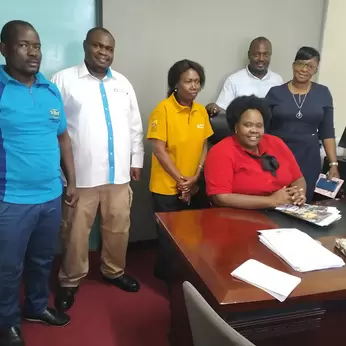
The planetGOLD Kenya project created a Memorandum of Understanding (MoU) with the county governments to strengthen their commitment. This document defined the roles and duties of each party, ensuring that the collaboration would be both transparent and accountable.
Under the MoU, the State Department for Environment and Climate Change - host to planetGOLD Kenya project - agreed to coordinate activities and oversee training at demonstration sites. They would also monitor gold production without mercury. Meanwhile, the counties promised to provide land for mercury-free training sites, ensuring equipment safety and promoting awareness of the project at the local level. The MoU also called for counties to provide essential support services. This would help the demonstration sites run smoothly.
By establishing a clear framework of responsibilities, the partnership laid the groundwork for continued collaboration even after the project ended.
| 
|
Local Ownership as a Key to Project Success
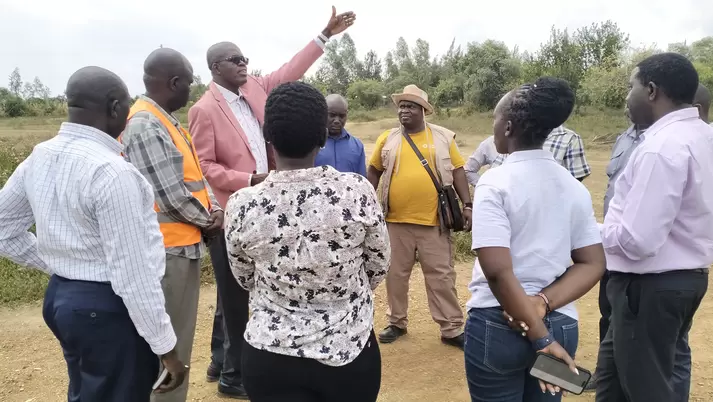
A key part of the planetGOLD Kenya project’s success is the nine-member Joint Implementation Committee. This committee, which consists of representatives from both the project team and the county governments, is responsible for the day-to-day management of mercury-free gold processing activities at the county level.
This group makes sure local staff join in on the project and are positioned to continue its work after the project’s exit. This emphasis on local ownership has been instrumental in building sustainability. It also ensures that the project's lessons will continue.
A Bright Future for ASGM in Kenya
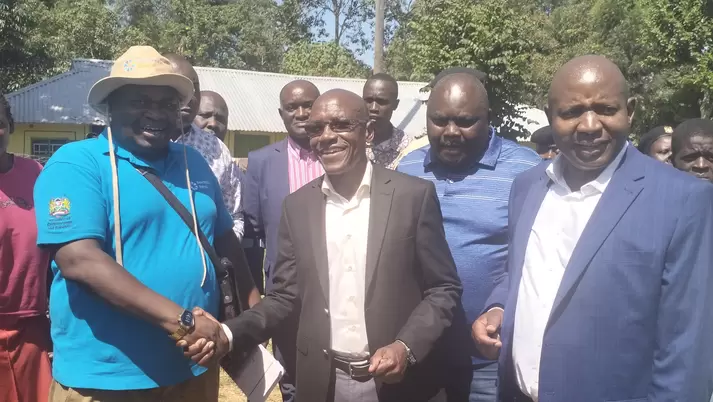
The partnership with county governments has been a cornerstone of the planetGOLD Kenya project’s success. By engaging local authorities, providing training, and formalizing the collaboration through MoUs, the project has ensured that the transformation to mercury-free gold mining will continue long after its completion. County governments can now manage the ASGM sector. This benefits both the environment and the miners.
Reflecting on the project’s impact, Mayiani Saino, Project Manager of planetGOLD Kenya, stated, “The positive outcomes of this collaboration are already evident, and the planetGOLD Kenya project serves as a model for local and national governments. It shows how we can work together to create lasting change in important sectors for local economies.”
By strengthening institutions, improving regulatory frameworks, and building the capacity of both government and private sector stakeholders, planetGOLD Kenya is not only reducing the environmental footprint of the ASGM sector but also empowering local communities to embrace cleaner, safer, and more sustainable mining practices.
As Kenya continues on its path toward sustainable ASGM, the lessons from this initiative will serve as a guide for improving mining practices across the country.
Comments