
News
06 August 2026
Countries:
-
 Communications Officer, planetGOLD Zambia
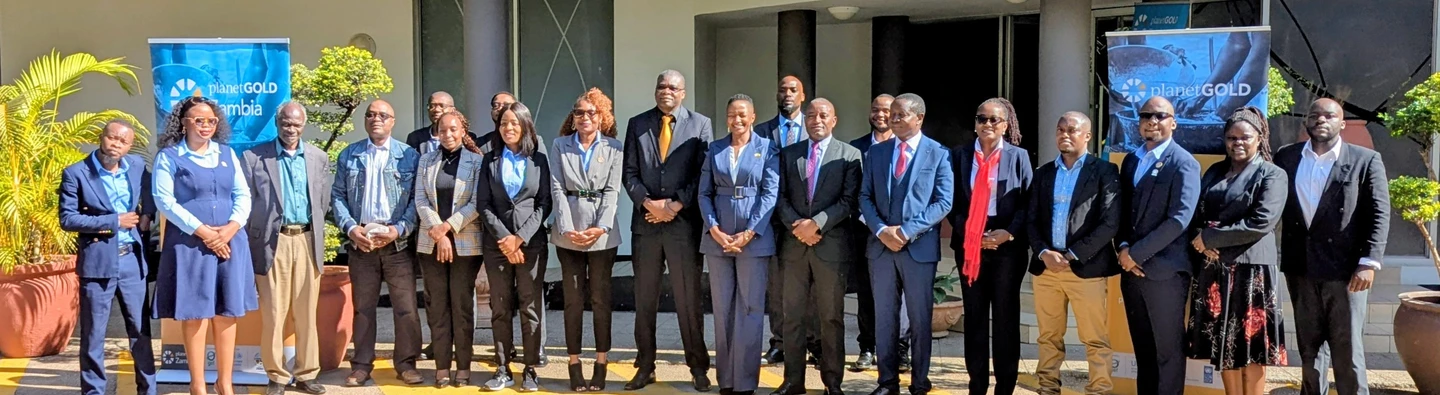
On 30 June 2026, The planetGOLD Zambia Project convened its Second Quarter National Advisory Committee (NAC) Review Meeting, bringing together key stakeholders to review implementation progress, assess resolutions from the previous quarter and provide strategic direction for activities supporting the formalisation of Zambia's Artisanal and Small-Scale Gold Mining (ASGM) sector.
The meeting attracted representatives from Government ministries, regulatory institutions, academia, civil society organisations, the private sector and project partners, reaffirming the project's multi-stakeholder approach to transforming the ASGM sector through formalisation, mercury reduction and sustainable mining practices.
In his welcoming remarks, National Advisory Committee Chairperson Prof. James Nyirenda commended the progress achieved during the second quarter of 2026, highlighting key milestones including the review of the ASGM Strategy, engagement with financial institutions, preparation of Mercury-Free Processing System sites and capacity-building activities in Chisamba and Mpika districts.
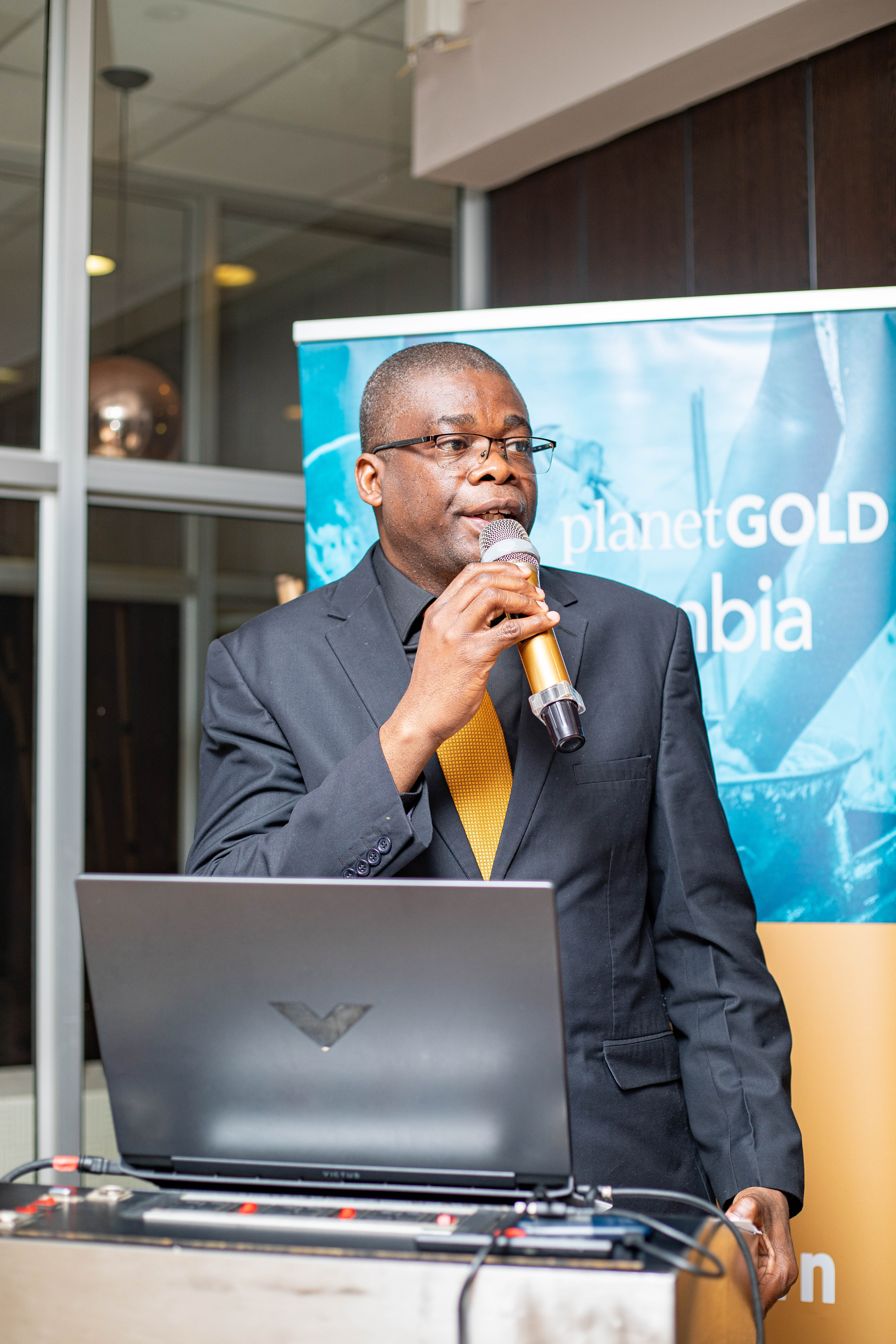
"These achievements are a testament to the project's continued commitment to supporting formalisation, access to formal markets and promoting knowledge sharing within Zambia's ASGM sector," he said.
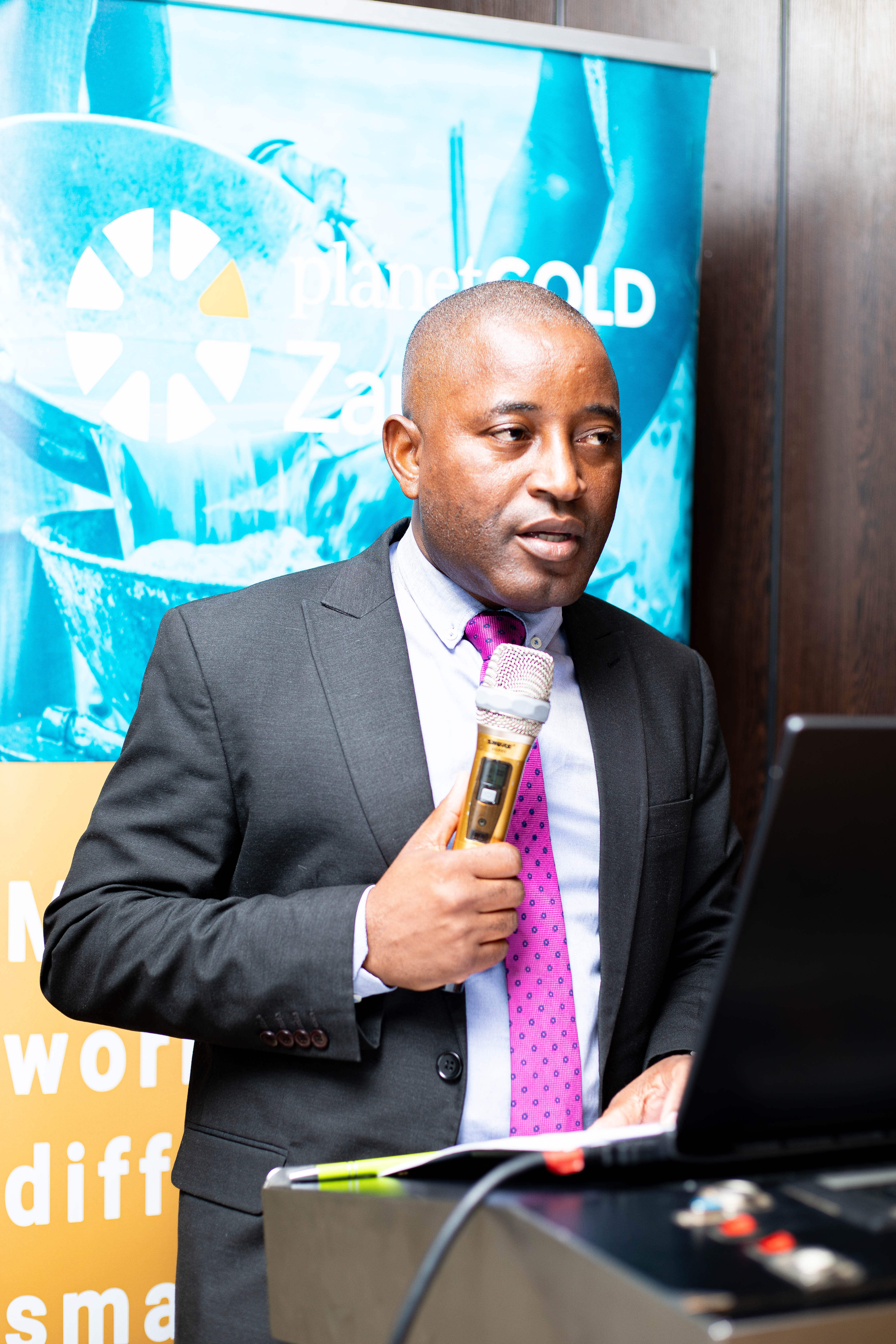
Officially opening the meeting on behalf of the Zambia Environmental Management Agency (ZEMA), Acting Director General Mr. Christopher Kanema commended the progress achieved by the project while underscoring the importance of balancing economic development with environmental protection.
"While the sector continues to support livelihoods and local economic development, it is equally important that mining activities protect the environment, safeguard public health and promote sustainable use of natural resources. Collaboration, knowledge sharing and continuous improvement are key to addressing environmental challenges while supporting a responsible ASGM sector," he said.
The Committee adopted the minutes of the previous meeting after confirming that they accurately reflected earlier deliberations and resolutions. During matters arising, members recommended the introduction of an action matrix in future quarterly reports to strengthen implementation monitoring, improve accountability and track progress on agreed actions.
Members also emphasised the need for clearly defined timelines for the installation of the project's Mercury-Free Processing Systems (MFPS) at the demonstration sites to ensure timely implementation.
Providing an update on the project's formalisation agenda, National Project Manager Ms. Abigail Mwailenge reported that baseline assessments found 95 percent of artisanal and small-scale gold miners remained unformalised, highlighting the need for sustained interventions to improve compliance within the sector.
She said the project is working towards increasing formalisation from 5 percent to 50 percent over its five-year implementation period through cooperative formation, institutional strengthening and improved access to mining services.
"As part of this effort, the project has already facilitated the establishment of 28 mining cooperatives, creating an important foundation for legalisation, improved governance and access to government and financial support services," she said.
The Committee further approved the inclusion of additional members from academia, the Minerals Regulation Commission (MRC), Minera and Artisanal Mining communities to broaden technical expertise and strengthen stakeholder representation in the Technical Committee.
To enhance institutional coordination, members also endorsed a co-chairing arrangement between the Ministry of Mines and Minerals Development and the Minerals Regulation Commission, reinforcing collaboration between policy development and regulatory oversight.
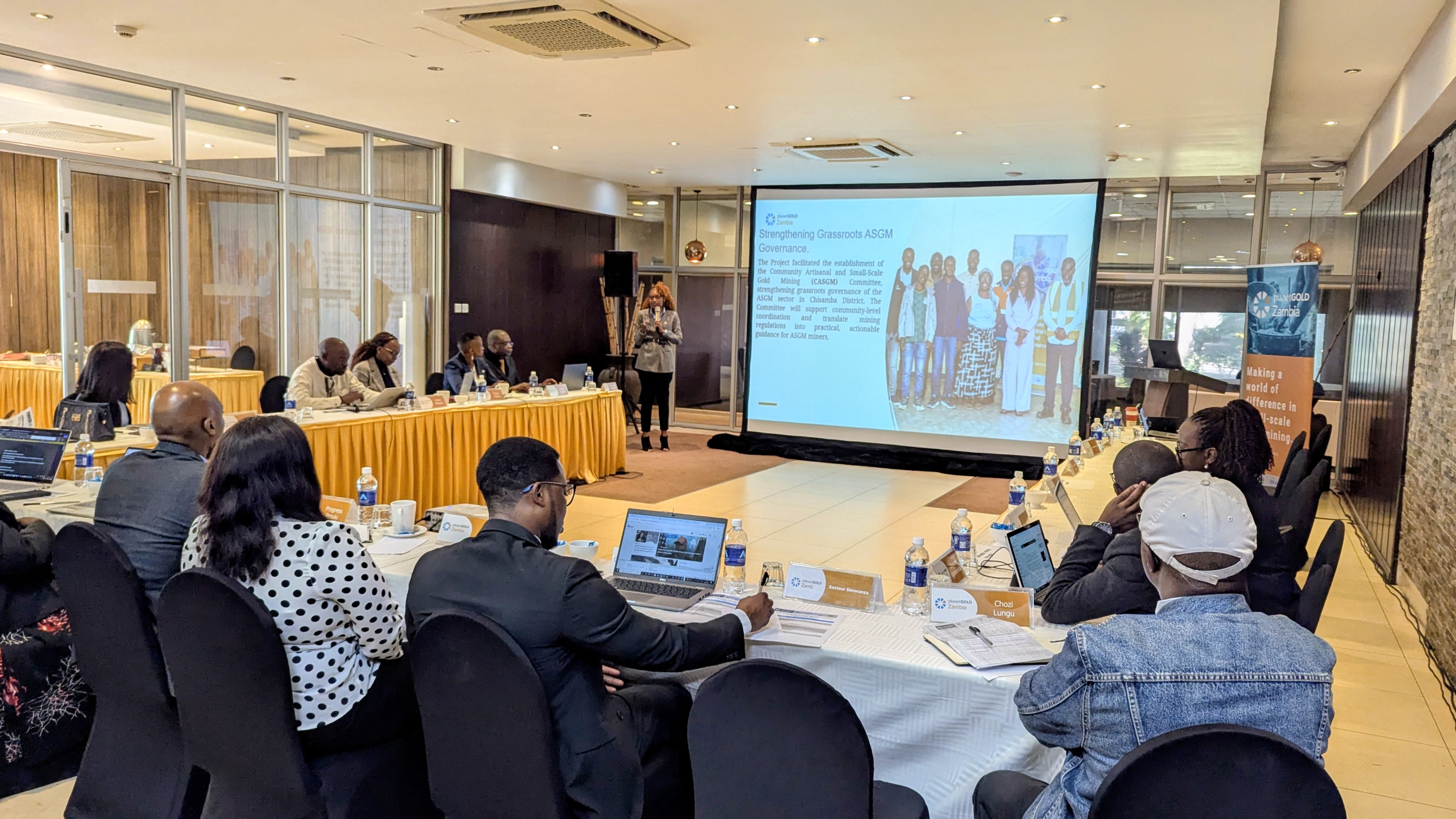
Presenting the quarterly implementation update, Ms. Mwailenge highlighted progress across the project's four components, Advancing Formalisation, Access to Finance and Formal Markets, Uptake of Mercury-Free Technologies and Communication and Knowledge Sharing.
Key achievements during the quarter included the establishment of the Community Artisanal and Small-Scale Gold Mining (CASGM) Committee in Chisamba, continued strengthening of District ASGM Committees, implementation of the Landscape and Jurisdictional Approach in Chisamba and Mpika, engagement with financial institutions to improve access to finance, and capacity-building initiatives promoting responsible mining practices and mercury-free technologies.
Committee members welcomed the progress made while providing recommendations to strengthen implementation and ensure long-term sustainability.
Dr. Tina Chanda of the Copperbelt University recommended that the installation of Mercury-Free Processing Systems be implemented within clearly defined timelines and designed for replication across other mining communities.

"Once installed, the equipment's design and function should be replicable across other sites to maximise impact," she said.
Representing the private sector, Minera Managing Director Mr. Andrew Mukupa reaffirmed the company's commitment to supporting responsible artisanal mining initiatives through strategic partnerships.
"Minera is ready to partner with cooperatives and projects that are properly organised and structured," he said.

Meanwhile, Dr. Jewette Masinja of the University of Zambia emphasised the importance of strengthening project learning and adaptive management through the establishment of a comprehensive monitoring and evaluation framework.

"A tracking mechanism or Monitoring and Evaluation framework should be put in place to provide feedback that can inform adjustments going forward," he said.
The meeting concluded with members reaffirming their commitment to supporting coordinated implementation of the planetGOLD Zambia Project while ensuring that the institutional structures established under the project remain functional beyond the project's lifespan.
Participants also reiterated the importance of sustained collaboration among government, academia, the private sector and mining communities in advancing a formal, mercury-free and environmentally responsible Artisanal and Small-Scale Gold Mining sector in Zambia.
Knowledge Areas: