
Voices
23 June 2026
Countries:
-
 Communications Officer, planetGOLD Zimbabwe
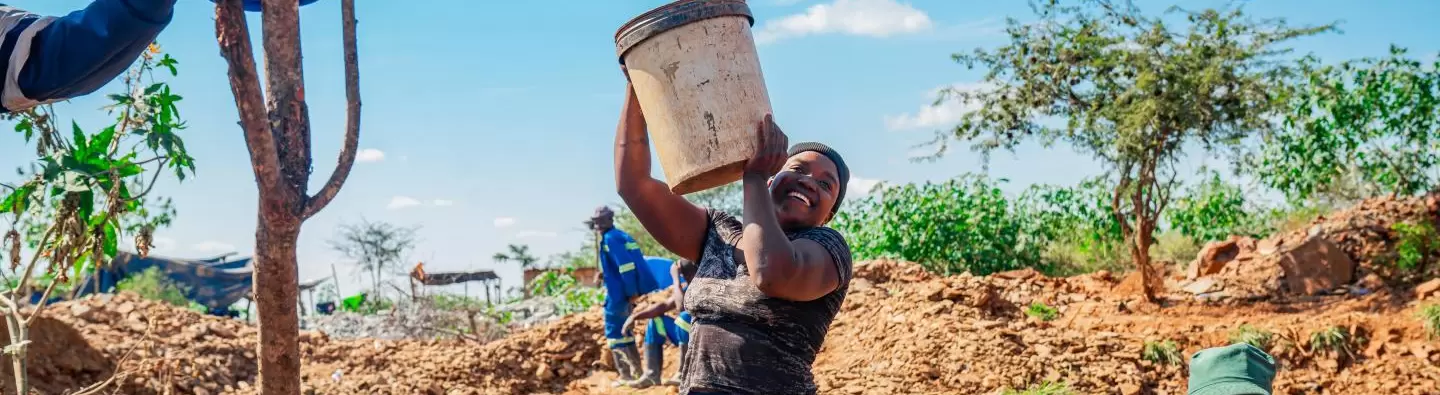
At 35, Rayline Ndlovu knows that gold mining demands grit, determination, and resilience, qualities that have nothing to do with gender. On a dusty morning at Will South Mine in Gwanda, Zimbabwe, she stands among a sea of men, her boots caked in dirt and her hands steady as she operates a ball mill. As an artisanal and small-scale gold miner, she has earned her place in an industry traditionally dominated by men, and she wants the world to know one thing: “This job does not care if you are a man or a woman.”
“We are all here to earn a living,” she says during a a visit by the planetGOLD Zimbabwe team. “Men and women, we dig, we process, we hope. The gold does not care who finds it.”
Across Zimbabwe, women are playing an increasingly prominent role in artisanal and small-scale gold mining (ASGM), even as they continue to face substantial economic, social, and health-related challenges. According to a report by the Zimbabwe Environmental Law Organisation, women currently constitute between 10 and 15 percent of the country’s 535,000 artisanal and small-scale miners.
Rayline has been mining for five years. Every gram of gold she pulls from the earth has a direct line to her three children's school fees, her house rent, and the food on her table. But the work is difficult. “It is hard,” she admits, wiping sweat from her brow. “But I have a family to take care of, so I keep going.”
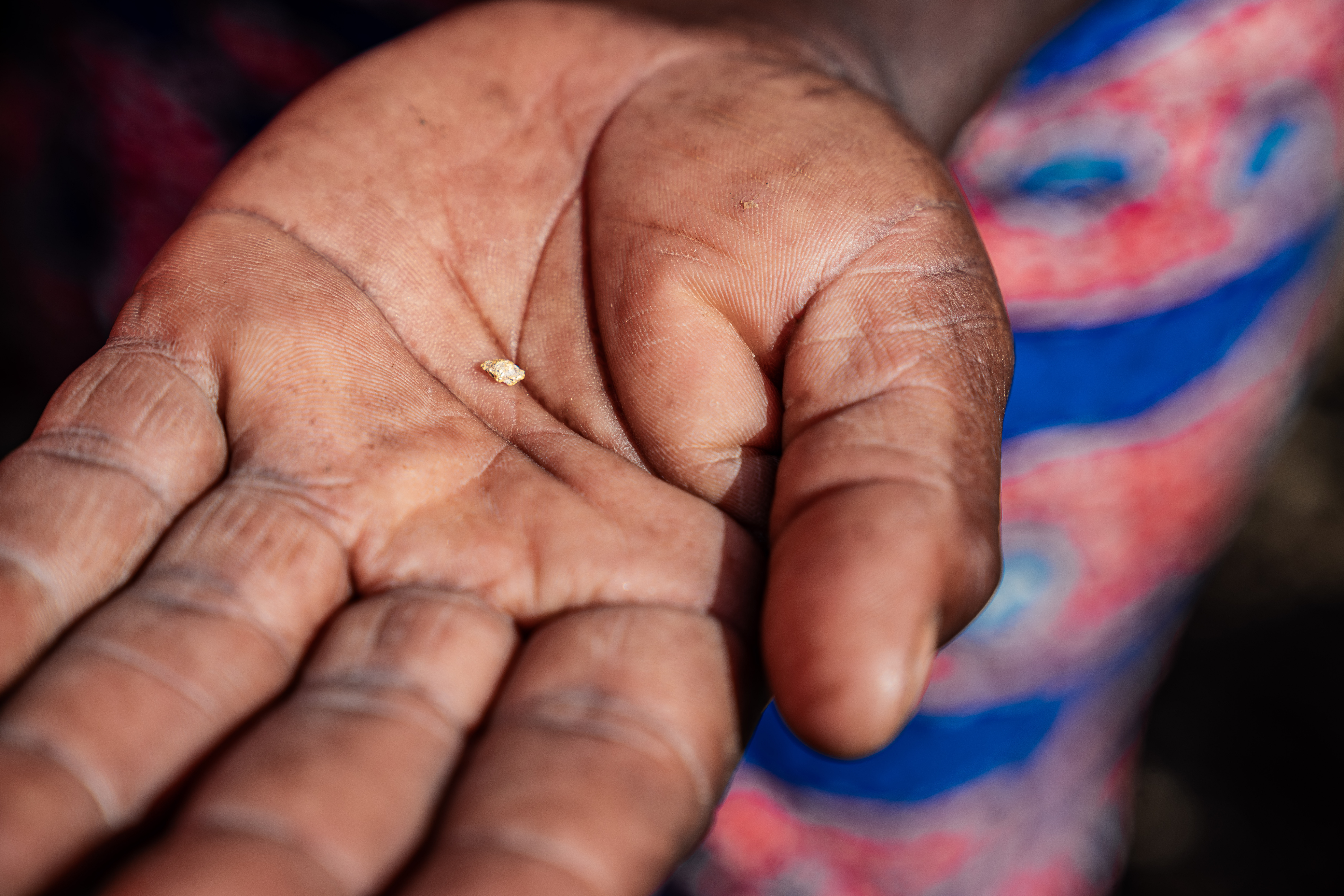
For half a decade, she has used mercury to extract gold, like thousands of other miners who rely on the cheap, accessible method. She knew it was dangerous, but not exactly how. That changed recently when planetGOLD Zimbabwe facilitators visited her mining site, offering grassroots awareness training on the severe health effects of mercury poisoning: neurological damage, respiratory illness, and long-term contamination of water and soil.
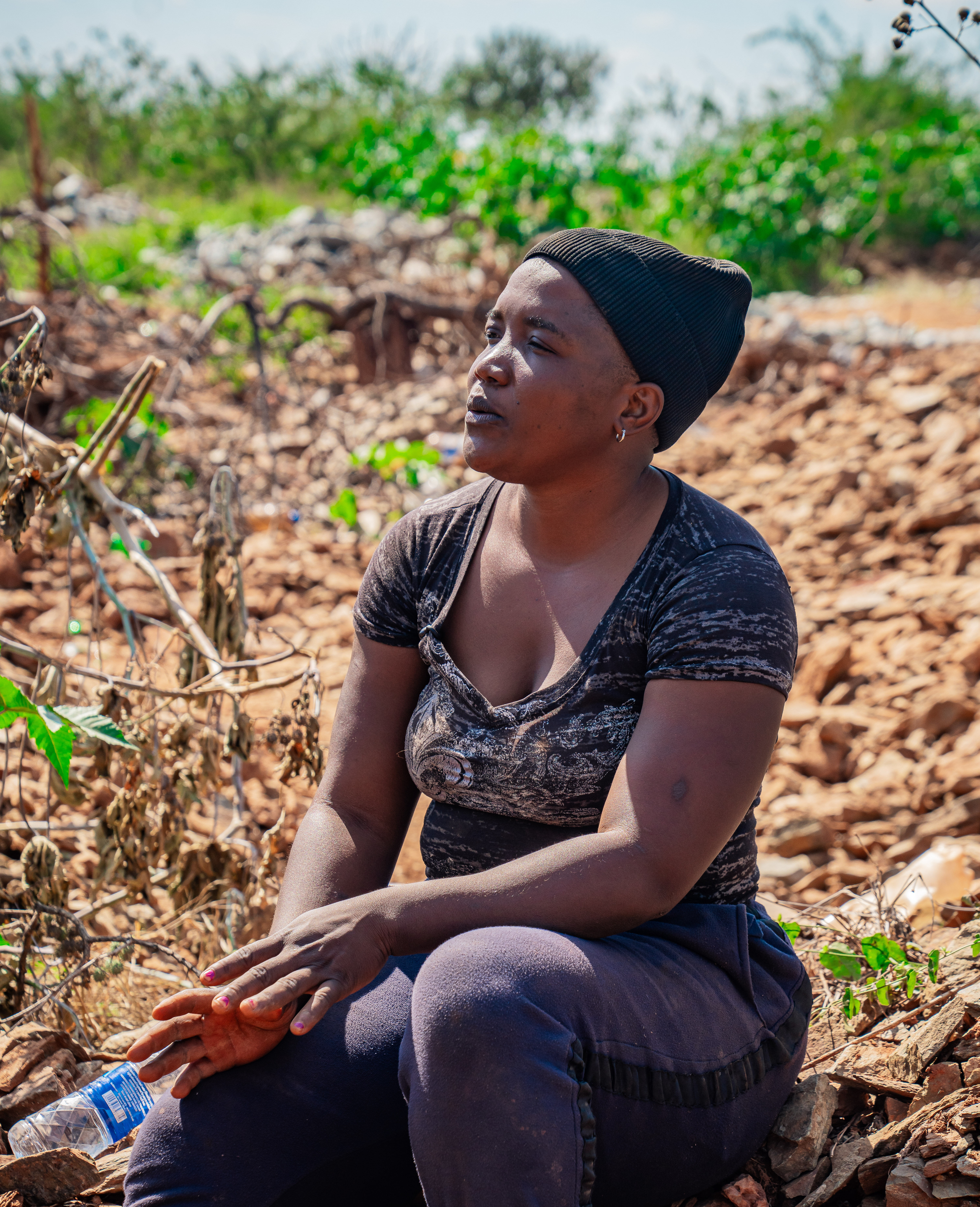
“Now I know what mercury does to my body and my children,” she says quietly. “I want a healthy environment. I hope the mercury-free technologies come soon.”
That hope is exactly what planetGOLD Zimbabwe is working to deliver.
The planetGOLD Zimbabwe project is supported by the Global Environment Facility, led by the UN Environment Programme, and executed by IMPACT, in close coordination with the Ministry of Mines and Mining Development, the Ministry of Environment, Climate and Wildlife, and the Environmental Management Agency.
The project has been conducting technical visits to several mine sites across the country, including Will South Mine, alongside a media tour designed to document and amplify responsible mining practices.
Conducted in collaboration with officials from the Ministry of Mines and Mining Development (MMMD) and the Environmental Management Agency (EMA), the visits assessed current gold processing methods, identified operational challenges, and explored practical opportunities for improvement.
The information collected, along with ore samples gathered prior to the visits, will inform the development of mercury-free technologies suitable for each mine site.
The media tour sought to showcase a collaborative spirit, one where government, development partners, and artisanal miners work side by side to build a more responsible and sustainable gold mining sector. Following the technical visits, practical training will be provided to miners on improved recovery methods, safer environmental practices, and enhanced mining operations.
For miners like Rayline, that training cannot come soon enough. She dreams of a day when she can process gold without mercury, when her children inherit not debt or disease, but a future built on honest, healthy work.
“I am a miner,” she says, lifting her chin. “I will keep soldiering on, until that mercury-free technology arrives. And I will keep going until safer, mercury-free technologies become a reality for miners like us.”
The planetGOLD Zimbabwe project is supported by the Global Environment Facility (GEF) and led by the United Nations Environment Programme (UNEP). The project is executed by IMPACT, in close coordination with the Ministry of Mines and Mining Development, the Ministry of Environment, Climate and Wildlife and the Environment Management Agency.
Knowledge Areas: