
Voices
11 March 2025
Countries:
-
 Communications Officer, planetGOLD Kenya
During the implementation of the planetGOLD Kenya project, we gained valuable insights into the importance of targeted site and group selection. These lessons played a critical role in shaping the project's success, enabling us to direct our efforts in the most impactful ways while ensuring active community involvement and fostering long-term sustainability.
1. The Importance of Targeted Site and Group Selection
A key lesson learned during the project was the need to define a specific population and geographical area for intervention. Initially, we realized that by working in a more targeted manner, we could create a stronger impact, ensuring that resources were directed toward areas in the greatest need. This focused approach allowed us to prioritize regions that would benefit most from mercury reduction while ensuring that the interventions remained effective and sustainable.
To guide our site and group selection, we developed a clear set of criteria, which focused on several essential factors:
Mercury Reduction Potential: We prioritized sites, where reducing or eliminating mercury use would have the greatest environmental and health benefits.
Community Readiness: We targeted areas where awareness campaigns would resonate, ensuring that the community would welcome the project’s interventions.
Severe Environmental Impact: We focused on areas where mercury use had caused significant environmental damage, so that our interventions could help restore the most vulnerable ecosystems.
Communal Mining Practices: We targeted communities with communal mining practices, where interventions could have a wider and more widespread impact.
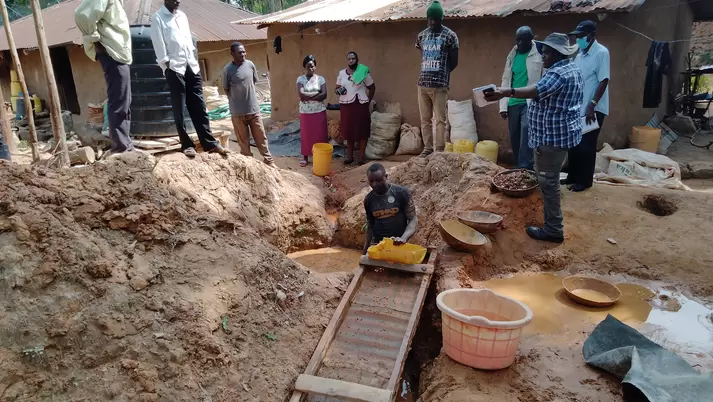
These criteria ensured that the selected sites were not only in need of intervention but also positioned the project for long-term success by addressing both environmental and community needs. Using this criterion, the project team assessed and verified 81 groups across Kakamega, Vihiga, Migori, and Narok counties, ultimately selecting 48 groups with 3,951 artisanal and small-scale miners to continue with the project.
2. Strategic Engagement with Artisanal and Small-Scale Miners
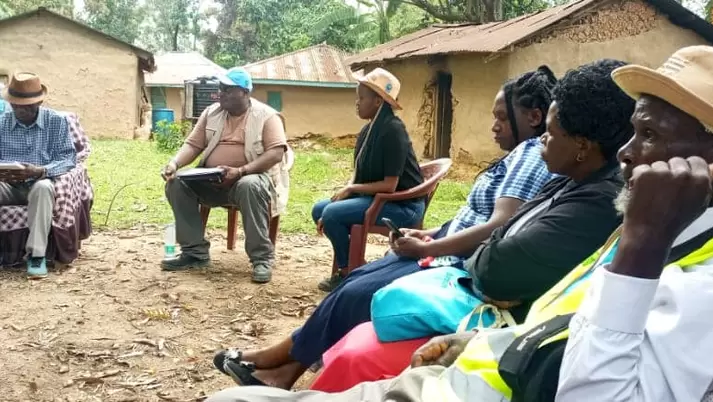
A crucial component of the project was engaging stakeholders, particularly the local mining communities, through awareness campaigns and active involvement. By educating the communities on the dangers of mercury and the benefits of mercury-free processing, we were able to foster trust and facilitate open communication. The engagement process was not just about providing information but also about actively listening to the concerns and needs of the communities.
The awareness-raising activities were carried out in the following areas:
Kakamega County: Lurambi, Ikolomani, and Shinyalu sub-counties
Vihiga County: Sabatia and Hamisi sub-counties
Migori County: Nyatike, Suna West, and Kehancha sub-counties
Narok County: Trans-Mara South sub-county
Emphasizing community buy-in was central to the project’s success. We focused on engaging with communities that were not only ready to embrace the planetGOLD program but were also motivated by the long-term benefits of adopting mercury-free methods. These communities were more likely to sustain these practices well beyond the project’s duration.
We also emphasized the long-term benefits of mercury-free processing, such as improved health outcomes, environmental protection, and economic sustainability. By helping communities envision a future without mercury reliance, we encouraged them to adopt practices that would improve their lives in the long run.
3. Formalizing the Artisanal and Small-Scale Miners
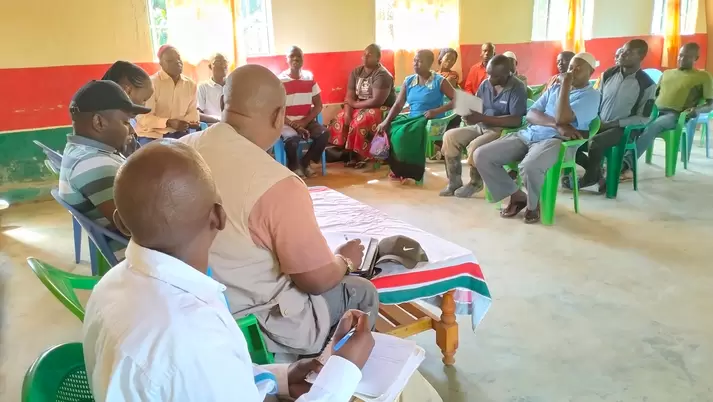
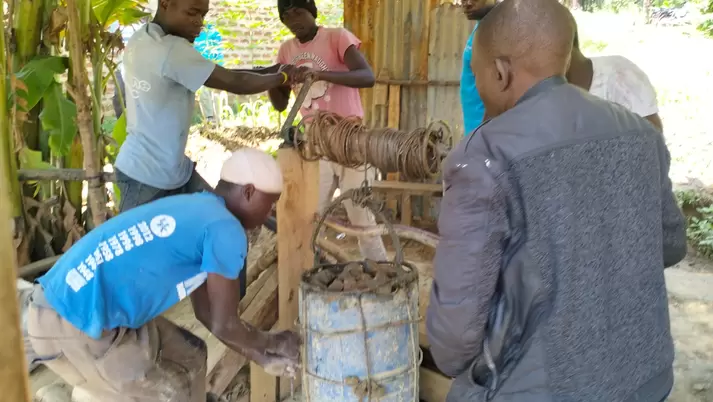
A key element of the project’s success was the formalization of artisanal and small-scale miners and organizing them into structured groups. The project team successfully clustered the 48 selected groups and guided them towards forming 23 mining/marketing cooperatives. This structured approach allowed the project to scale effectively, streamline activities and improve resource management.
Additionally, we worked with county governments to identify six mercury free demonstration sites. These sites will serve as incubation centers where miners could pool their ores and practice mercury-free processing methods. These practical spaces allowed miners to safely transition to new techniques while gaining hands-on experience in mercury-free processing.
To ensure the project’s sustainability, we signed Memoranda of Understanding (MOUs) with the project counties to form Joint Implementation Committees (JIC). These committees would oversee the operation of the six demonstration sites and support the 23 cooperatives in acquiring Mineral Dealership and Processing Licenses from the State Department for Mining. These licenses will enable mining groups to operate within the legal framework and access formal markets, contributing to their long-term viability.
4. Data-Driven Decision Making
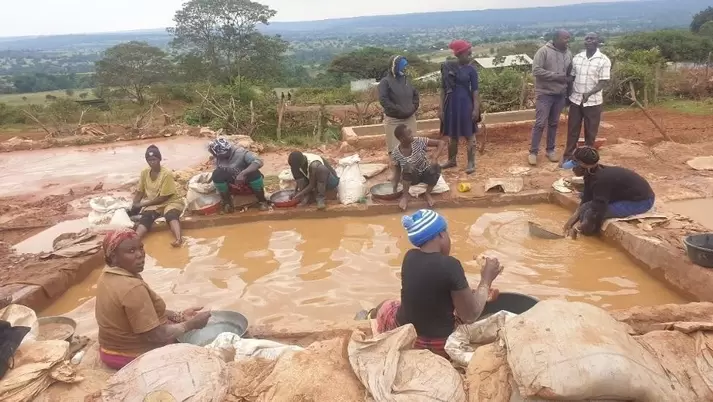
Throughout the project, we placed great importance on data-driven decision-making. By closely tracking the miners within the cooperatives, we were able to monitor the number of trainings they attended and assess the impact of these sessions on them. The miners’ database helps guide the project in our programming.
In addition, we collected geographical data such as the distances between mining sites, the number of mine shafts per group, and the estimated ore production. This data allowed us to allocate resources, such as processing and training plants, to areas where they would have the most impact.
Conclusion and Key Takeaways
The planetGOLD Kenya project demonstrated that targeted site and group selection and strategic stakeholder engagement are critical to achieving meaningful and sustainable outcomes in mercury-free gold processing. By focusing resources on the most vulnerable areas, actively involving the community, and emphasizing the long-term benefits of mercury-free practices, the project was able to achieve significant success.
Furthermore, the formalization of mining groups and the use of data-driven decisions ensured the effectiveness and sustainability of the project. These lessons provide valuable insights that can inform future efforts to reduce mercury use and improve the livelihoods of artisanal and small-scale miners.
Ultimately, these lessons highlighted the importance of a targeted, community-driven approach, clear formalization processes, and ongoing data collection to ensure the lasting success of initiatives aimed at reducing the environmental and health impacts of mercury in gold processing.
Comments