
Voices
17 March 2025
-
 Communications Officer, planetGOLD Kenya
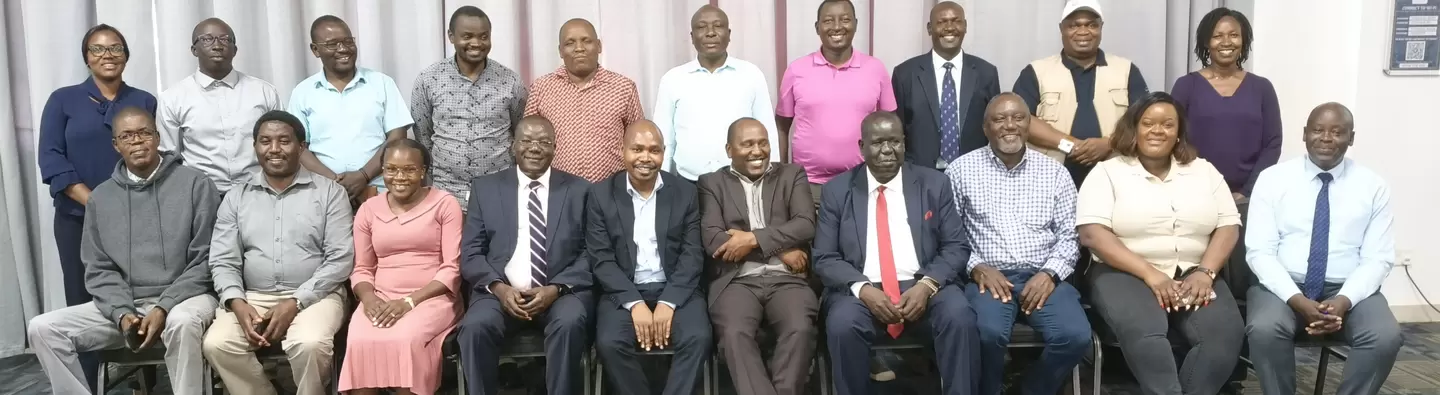
A key highlight of the planetGOLD Kenya project is the establishment of the Joint Implementation Committee (JIC). It has nine members: five from the National Government's State Department for Environment and Climate Change, and four from the nominated County Governments. This committee is essential for overseeing the daily management of mercury-free gold processing activities at the county level, ensuring that the project aligns with local priorities and is effectively implemented within the communities it serves.
The Joint Implementation Committees were set up within fourteen days after the State Department for Environment and Climate Change signed the Memorandum of Understanding (MoU) with the County Governments of Migori, Kakamega, Narok, and Vihiga. These committees are crucial for the project's success and its long-term sustainability.
Purpose of the Joint Implementation Committee (JIC)
The JIC serves several important functions that go beyond merely overseeing project implementation. Here are the key roles that contribute to its success:
Formation of the County Advisory Team
The JIC forms the County Advisory Team using key departments from various sectors at the county level. This team is crucial for providing the JIC with quarterly reports on project progress, ensuring that the JIC stays informed and can make informed decisions to improve project outcomes.
Dispute Resolution
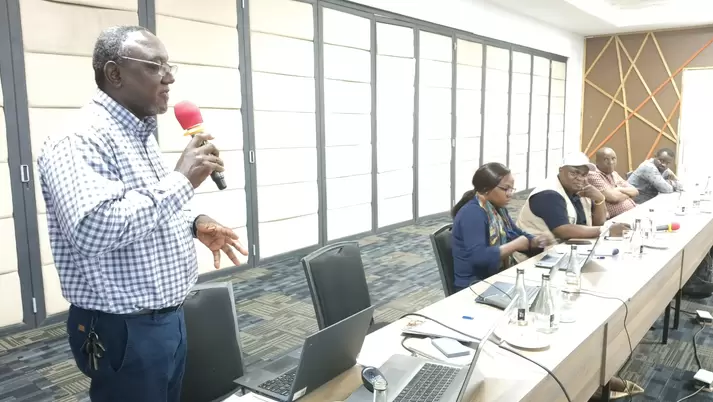
A vital function of the JIC is to resolve disputes that may arise during the implementation of the Memorandum of Understanding (MoU). Having a dedicated body for conflict resolution helps maintain smooth operations and ensures that challenges or disagreements are addressed efficiently and amicably.
Securing Equipment and Installations
The JIC is tasked with ensuring that the equipment and installations at the mercury-free demonstration sites are secured until formally transferred to the County Government. This protects valuable resources throughout the project and ensures they benefit the county even after project completion.
Monitoring and Oversight
The JIC monitors and oversees the implementation of the MoU, ensuring that all activities align with the established plan. Regular monitoring helps keep the project on track, meeting objectives and adhering to timelines and expectations from both parties.
Protecting County Land for the Project
It is essential that the land designated by the County Government for planetGOLD Kenya's mercury-free training and demonstrations is not sold or transferred to third parties during the MoU period. The JIC safeguards this land for the project, preventing potential conflicts or distractions.
Effective Communication Between Parties
The JIC promotes effective communication among all parties involved in the project. By encouraging transparency and open dialogue, the committee fosters trust among stakeholders, ensuring everyone is informed about the project's progress and challenges.
Protecting Land Use for Project Goals
In addition to preventing the sale or transfer of land, the JIC ensures that the land set aside by the County Government for the project remains dedicated to its intended purpose. This guarantees that the mercury-free training sites continue to fulfill their role throughout the project duration.
Why the JIC Is a Best Practice
In addition to fulfilling essential functions, the JIC has demonstrated its effectiveness in promoting local ownership and sustainability. Here’s why it is recognized as a best practice for successful project implementation:
Collaborative Decision-Making
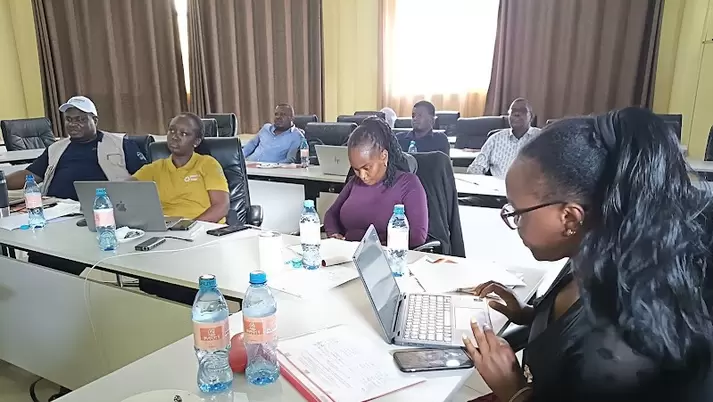
The JIC ensures that both the project team and county representatives participate equally in the decision-making process. This collaborative structure builds trust, enhances accountability, and aligns the project with the unique needs of the local communities involved.
Long-Term Sustainability
By engaging local staff in daily operations and decision-making, the JIC guarantees that county governments will continue the work after the project ends. This approach fosters ownership, transferring the capacity for mercury-free gold processing to local hands, and ensuring the project's lasting impact.
Strengthening Local Capacity
The JIC prioritizes training for local officials, miners, and community leaders, ensuring that institutional knowledge remains within the counties. This capacity-building initiative enhances local leadership and improves the counties’ ability to manage and regulate the Artisanal and Small-Scale Gold Mining (ASGM) sector effectively.
Building Community Trust
With local representation on the JIC, communities feel a sense of ownership over the project. This fosters trust, increasing the likelihood that they will adopt mercury-free gold processing practices. The JIC’s capacity to understand and address local needs ensures that interventions are relevant and impactful.
A Blueprint for Future Initiatives and A Lasting Legacy
The success of the JIC offers a blueprint for upcoming development projects focused on empowering local communities. Its approach to collaboration, local leadership, and shared decision-making can be adapted across various sectors, enabling other projects to achieve sustainable, long-term success.
The Joint Implementation Committee is a game-changer. It benefits not just the planetGOLD Kenya project, but also future projects that want local ownership and sustainability. Through its work, the JIC ensures that the benefits of the project persist beyond its timeline, enabling counties to lead in mercury-free gold processing and foster a sustainable, responsible mining sector.
The JIC is a model of collaboration. It strengthens local governance, builds capacity, and fosters trust in the community. It serves as a prime example of how engaging local governments and communities in project management can result in lasting positive outcomes.
As a cornerstone of the planetGOLD Kenya project’s success, the JIC stands as a scalable and adaptable best practice, ensuring community-led solutions keep thriving even after external interventions end.

Countries: