
News
15 November 2025
Countries:
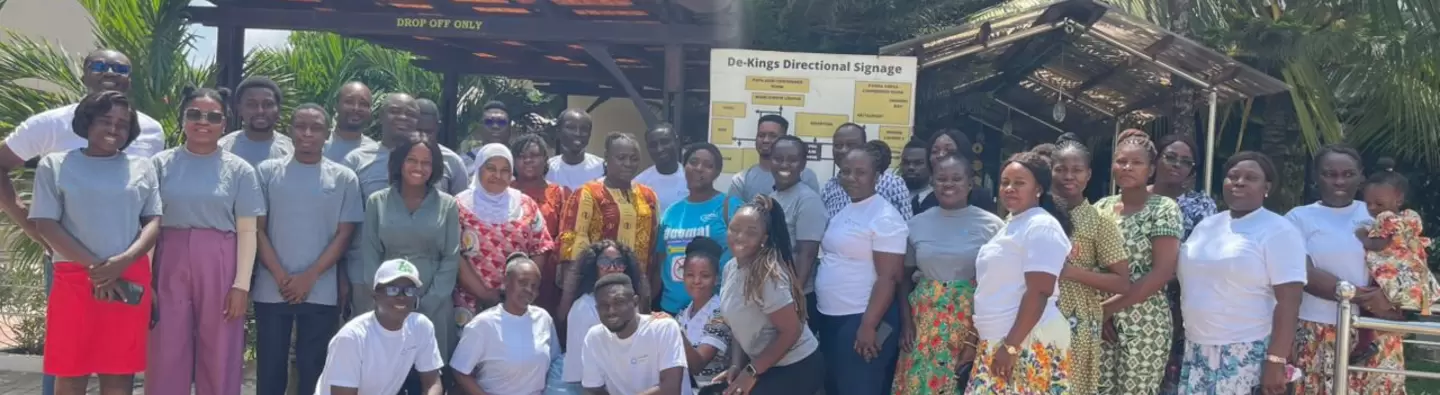
A one-day Trainer of Trainers (TOT) workshop has been held for selected health professionals from the Tarkwa-Nsuaem, Prestea-Huni Valley, and Wassa Amenfi West Municipalities to strengthen their understanding of the health and environmental impacts of mercury exposure resulting from Artisanal and Small-Scale Gold Mining (ASGM) activities.
The workshop, facilitated by members of the Health Education Technical Working Group, aimed to deepen participants’ knowledge of mercury exposure pathways, enhance their skills in clinical recognition of mercury-related illnesses, and build their capacity to deliver effective prevention, health promotion, and community education. Participants included medical officers, physician assistants, nurses, public health officials, health promotion officers, officials from the Environmental Protection Authority (EPA), and other key stakeholders.
Welcoming participants, Mr. Samuel Nortey Quaye, Project Communications Lead, emphasized that mercury exposure remains a pressing public health concern in mining communities. He noted that the workshop sought to enhance participants’ ability to recognize the effects of mercury, identify symptoms, and promote preventive measures. Mr. Quaye commended the participants for their commitment and encouraged active engagement throughout the session.
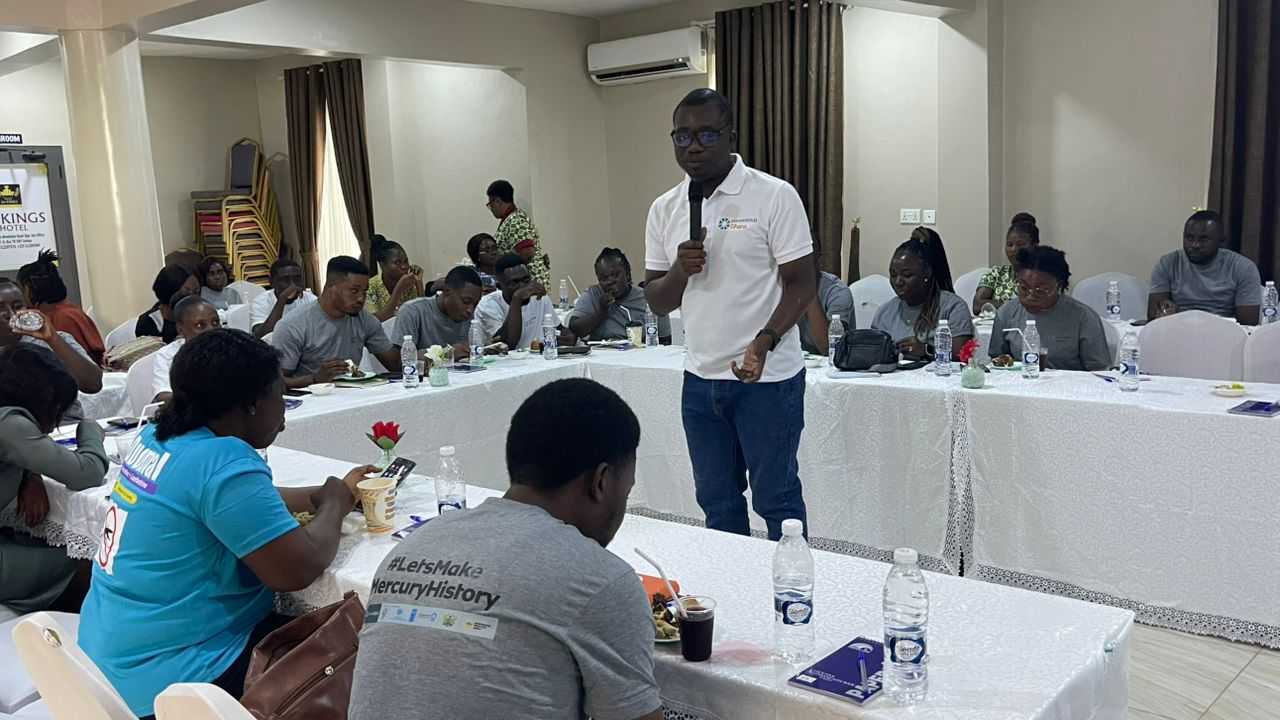
Delivering a statement on behalf of the planetGOLD Ghana Project, Project Coordinator Mr. Lovelace Sarpong explained that the training formed part of broader efforts to raise awareness on the risks of mercury exposure while promoting safer and mercury-free mining technologies. He reiterated the vital role health workers play in patient education, community outreach, and early identification of health threats, stressing the need to strengthen their capacity to address mercury-related health concerns. Mr. Sarpong expressed gratitude to the Health Education Technical Working Group and the Ghana Health Service for their continued support.
The
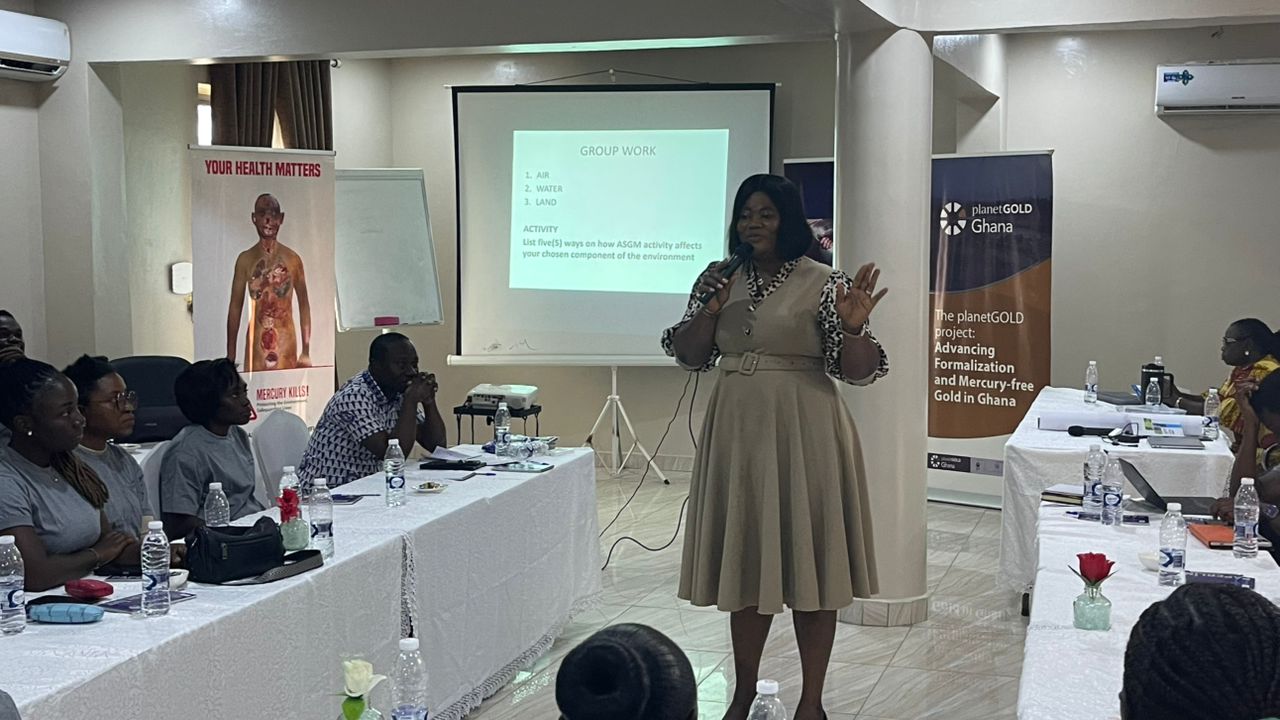
, also addressed participants, expressing appreciation for their attendance. She underscored the importance of health professionals as frontline responders who directly interact with individuals exposed to mercury. She encouraged participants to extend knowledge gained beyond clinical care by educating patients and communities on the causes and dangers of mercury-related illnesses. Madam Otabir reaffirmed the EPA’s commitment to supporting the Ghana Health Service in efforts to reduce the health and environmental impacts of mercury exposure.
The workshop featured a series of insightful presentations and discussions. Participants were introduced to the Minamata Convention on Mercury, Ghana’s obligations under the agreement, and the need to align local health interventions with its provisions. Sessions on health and safety regulations in ASGM operations highlighted existing frameworks and the roles of regulatory bodies including the Minerals Commission, EPA, and Ghana Health Service.
Other presentations covered the chemical properties of mercury, its use in ASGM, environmental impacts such as soil, water, and air contamination, and the transformation of mercury into highly toxic methylmercury. Trainers also detailed the health effects of mercury exposure, emphasizing its impact on the nervous, digestive, and immune systems, and the importance of early diagnosis and surveillance in mining areas.
Further discussions explored broader public health challenges in ASGM communities, including poor sanitation, unsafe working conditions, and limited access to healthcare. Facilitators emphasized the need for community participation and collaboration with local leaders to promote sustainable and mercury-free mining practices.
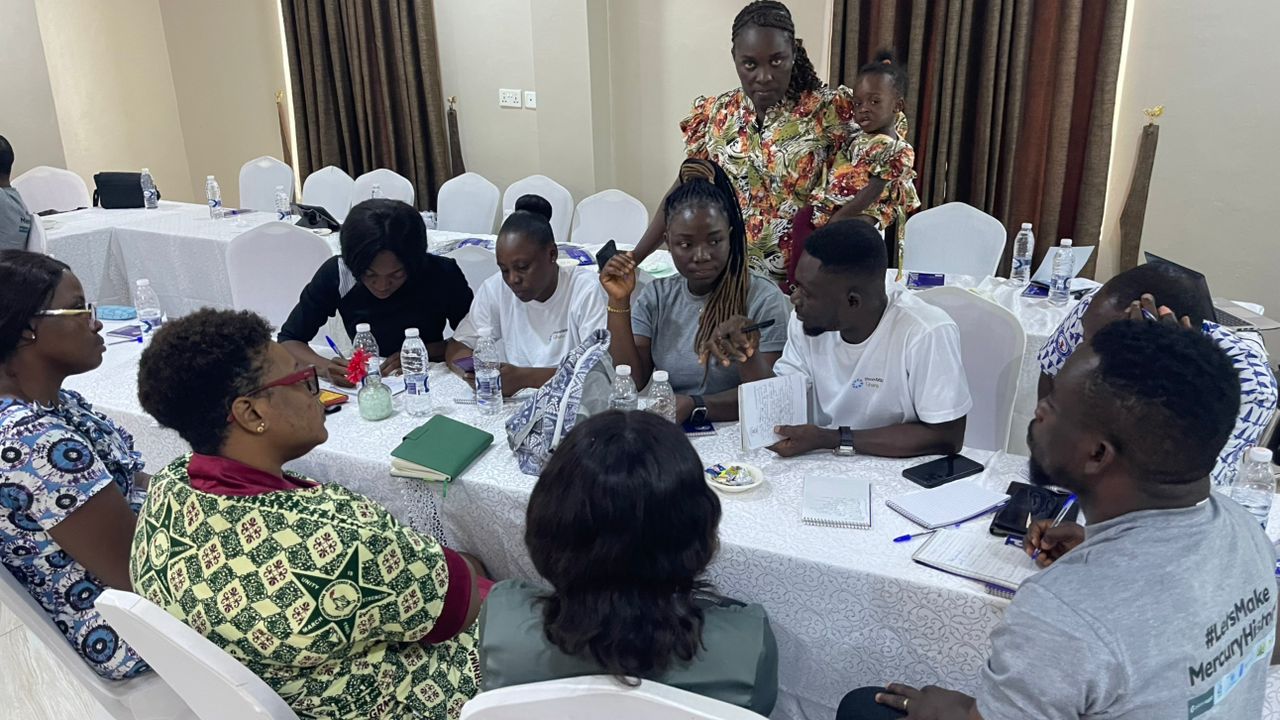
Participants engaged in group work aimed at identifying ways mercury pollution affects air, land, and water. Each group presented its findings during a plenary session marked by active discussions and feedback. Participants received copies of the Health Education Manual, planetGOLD Ghana posters, and souvenirs, and a WhatsApp platform was created to support continuous learning and information sharing.
Key recommendations from the workshop included conducting a comprehensive study to explore potential links between mercury exposure and rising cerebral palsy cases in the Prestea-Huni Valley Municipality and engaging local assemblies to incorporate mercury-use provisions into their by-laws to reinforce national efforts toward mercury phase-out.
The workshop concluded with participants expressing appreciation for the training and committing to applying the knowledge gained in their respective health facilities and community outreach activities.
The planetGOLD Ghana Project, funded by the Global Environment Facility (GEF), executed by UNDP and UNIDO, and implemented by the Environmental Protection Authority aims to promote mercury-free technologies, improve access to finance, and strengthen responsible gold supply chains. The Health Education Outreach initiative is an integral part of broader efforts to formalize the ASGM sector, protect public health and the environment.
Knowledge Areas: