
News
23 February 2026
Countries:
-
 Communications Officer, planetGOLD Zambia
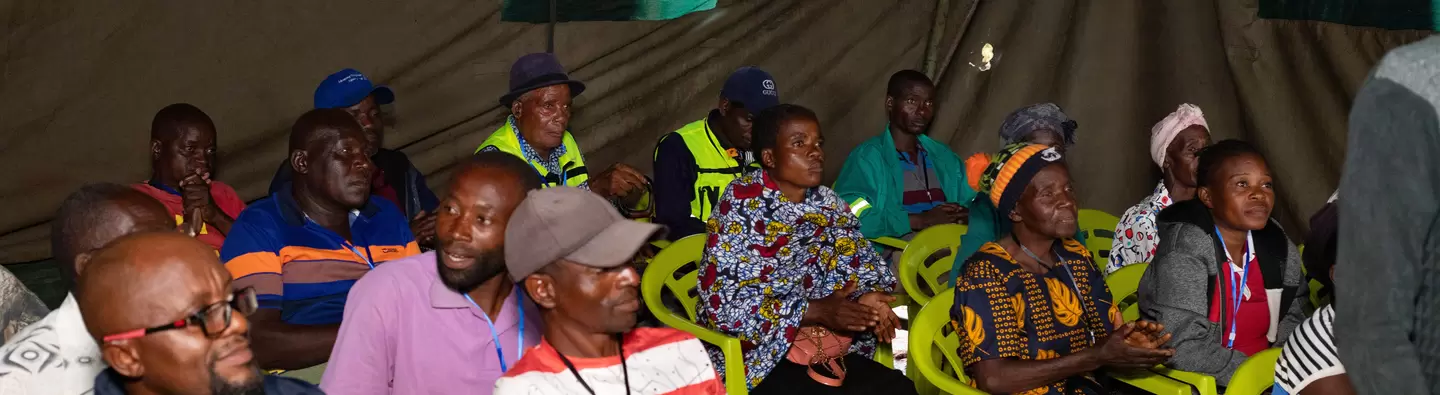
On 12th February, the planetGOLD Zambia Project conducted a Gender Mapping and Mainstreaming engagement in Matipa Area of Chisamba District, Central Province in collaboration with the District Artisanal and Small-Scale Gold Mining Technical Committee (DASGM).
The meeting brought together Artisanal and Small-Scale Gold Miners (ASGM), traditional leaders and community members to address gender inclusion, environmental responsibility, formalisation and labour laws within the sector.
Welcoming participants, Headman Malufeyo expressed appreciation for the continued support provided by planetGOLD Zambia and its cooperating partners.
“We thank planetGOLD and its cooperating partners for these continued opportunities they keep bringing to us as Artisanal and Small-Scale Gold Miners. We promise to learn and apply these lessons,” he said.
Discussions highlighted persistent cultural beliefs that discourage women from participating in mining. Some miners shared that in parts of the community, there is a belief that when a woman enters a mining pit, the gold disappears or production declines. Participants acknowledged that such narratives are not scientifically proven and should not prevent women from engaging in the sector.
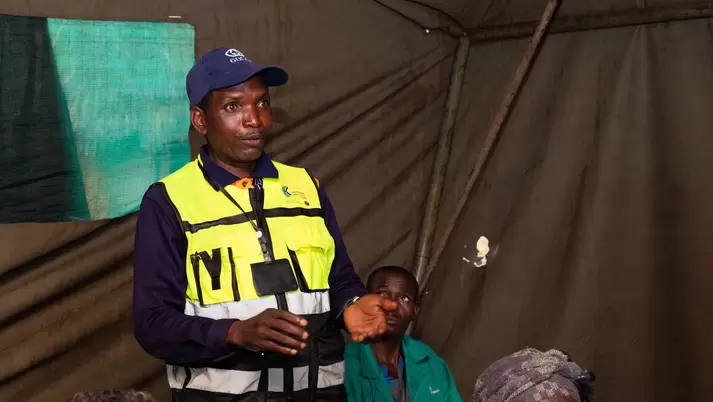
Assistant Community Development Officer Milien Chimanga emphasised the need for a mindset shift.
“Mining is not only for men. Women are part of the value chain, and communities must move beyond cultural myths that limit participation.”
Participants agreed that both men and women must work together, and that leadership roles, including chairing meetings, should be open to women.
The engagement also focused on formalisation through cooperative formation.
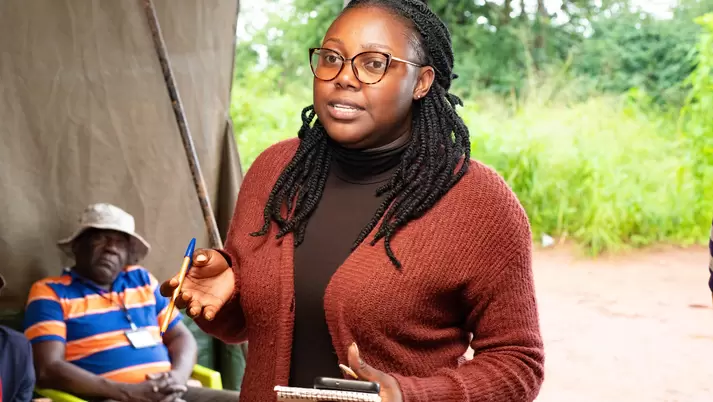
Miners were informed that a cooperative requires a minimum of 10 members and must promote gender and youth inclusion. Co-operatives Inspector Lewis Chinjongo explained that formalised cooperatives provide access to government grants, financing opportunities, and equipment support.
Registration costs K700, and the certificate is recognised nationally. He clarified that while cooperative certificates are widely recognised, ASGM licences are area-specific.
Labour Assistant Chabu Luke underscored the importance of structured labour practices.
“Every worker engaged by a cooperative must have a contract. We also encourage registration with NAPSA to ensure social security protection,” he said.
He further stressed occupational health and safety standards and the elimination of child labour, encouraging communities to prioritise education.
Officer Reagan Mphande called for responsible land management.
“We must ask ourselves how we protect the land and how we leave a pit once mining is done. Environmental care is not optional, it is our responsibility,” he said.
A miner echoed the importance of ensuring that ASGM benefits everyone, regardless of gender.
Participants concluded that unity, mutual respect, and shared responsibility are essential for sustainable community development.
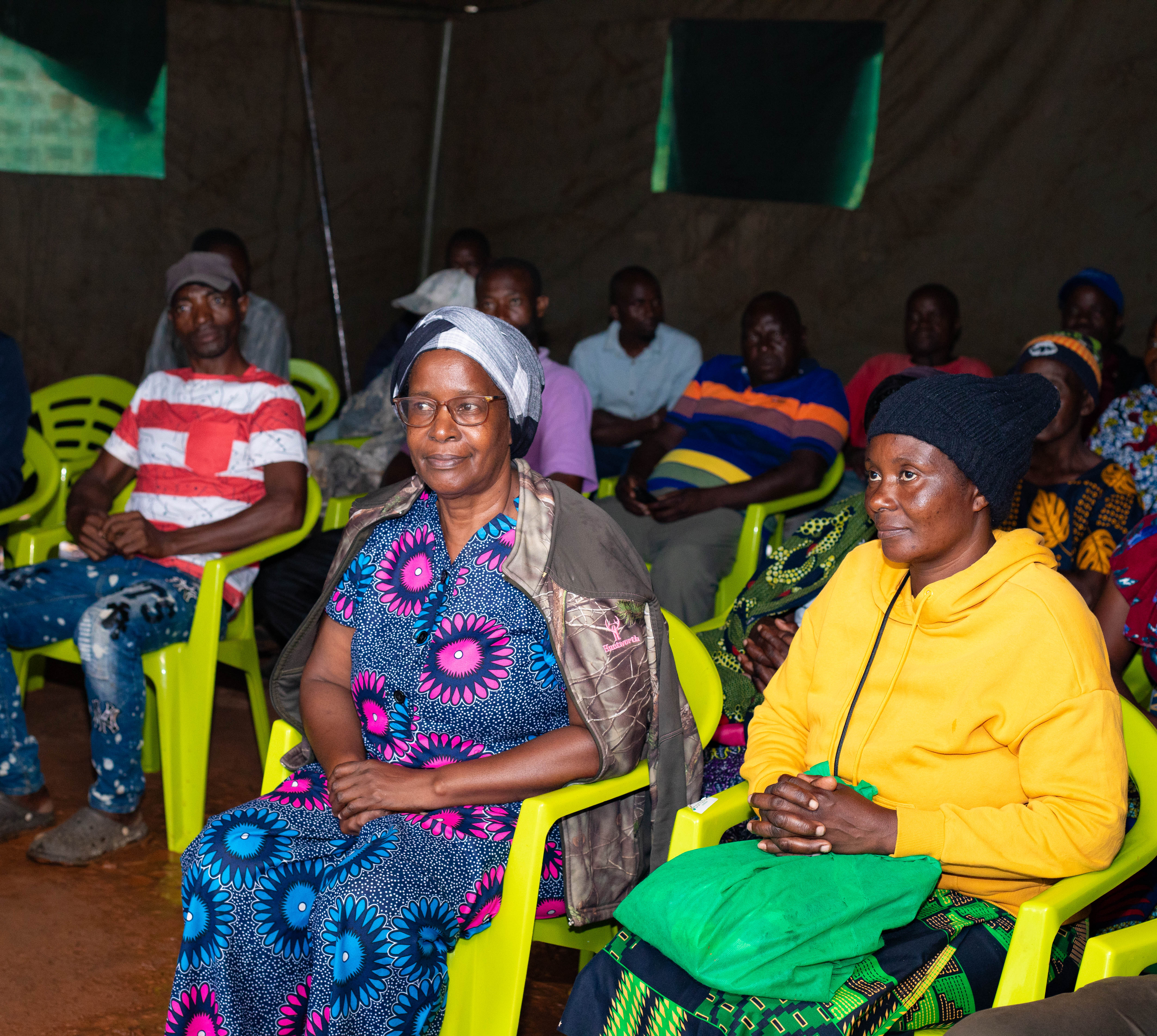
The engagement reinforced that ASGM requires cooperation across gender lines, responsible labour practices, and sound environmental management.
The planetGOLD Zambia Project continues to advance inclusive, formalised, and environmentally responsible artisanal and small-scale gold mining across Zambia.
Knowledge Areas: