
News
30 March 2026
Costa Rica is stepping up efforts to tackle mercury pollution in artisanal and small-scale gold mining through the launch of the US$ 41.5 million planetGOLD Costa Rica, a five-year initiative funded by the Global Environment Facility (GEF). Implemented by the United Nations Environment Programme (UNEP), the project is led nationally by the Ministry of Environment and Energy (MINAE), together with the Alliance for Responsible Mining (ARM). The project seeks to reduce mercury use by an estimated 8.6 tonnes while strengthening land management practices and improving livelihoods for 28,000 people.
Artisanal and small-scale gold mining plays an important role in local socioeconomic development, providing income for thousands of families. However, it is also the largest source of mercury pollution worldwide. In Costa Rica, continued mercury use poses serious risks to ecosystems, community health and the long-term sustainability of local economies that depend on the sector.
Mercury pollution does not stop at mine sites. It contaminates rivers, soils and food chains, placing communities and biodiversity at risk. By combining cleaner technologies, stronger policies and better market and financial access, planetGOLD Costa Rica seeks to transform the ASGM sector while safeguarding public health and the environment.
Ronny Rodriguez, Deputy Minister of Energy and Mines noted that “Costa Rica, in a qualitative leap, has begun the process of formalizing mining, based on advanced technological knowledge, mercury-free methods and commit to the social dimension focused on the responsible use of geological resources, considering human and environmental health at the center, guaranteeing a better future for its inhabitants”.
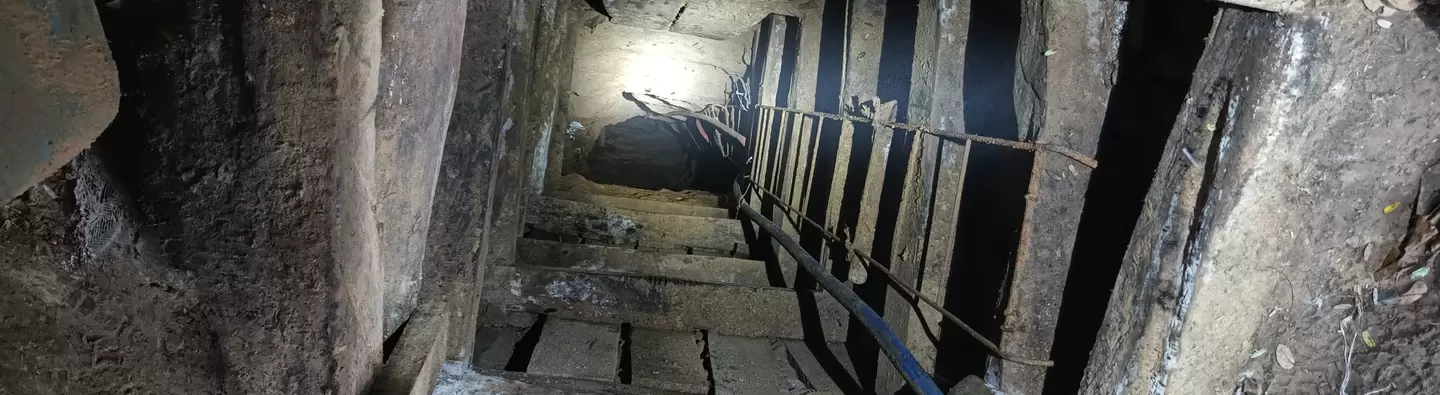
Abangares, in the Guanacaste province of Costa Rica, is one of the country’s oldest gold mining regions, with activity dating back to the late 19th century. Today, ASGM remains a key source of income for local families, forming an essential part of the community’s economic and social fabric. Supporting safer and more sustainable practices in areas such as Abangares is therefore critical to ensuring that mining continues to contribute to development without compromising environmental integrity.
‘’planetGOLD Costa Rica will work hand in hand with national stakeholders, local government, and miners to adopt safer mining practices and uptake cleaner technologies that help to improve communities’ livelihoods’’ said Jose Luis Gil, ARM’s National Project Coordinator. ‘’By implementing planet GOLD, Costa Rica has the opportunity to become a leader in promoting sustainability in the ASGM sector’’.
The project is part of the planetGOLD programme, active in more than 25 countries, which promotes coordinated action to reduce mercury use in the ASGM sector. Through this platform, Costa Rica will benefit from shared technical expertise, international cooperation and lessons learned across regions. This will support government institutions, mining communities and actors along the supply chain, ensuring best practices, data and practical tools are systematically captured, shared, and scaled up.
‘’While mercury reduction remains the central focus of this initiative, ASGM also generates additional environmental pressures, including deforestation, soil degradation, and impacts on water resources’’ said Ludovic Bernaudat, Portfolio Manager, GEF Chemicals and Green Chemistry, UNEP. ‘’By addressing the sector through a comprehensive and integrated approach, Costa Rica has a significant opportunity to reduce pollution, promote sustainable land management and protect biodiversity, while also creating sustainable socioeconomic opportunities’’.
This technical highlight was originally published by the UN Environment Programme on March 24, 2026.
Countries: