
News
10 November 2025
Knowledge Areas:
Countries:
-
 Communications Director, IMPACT
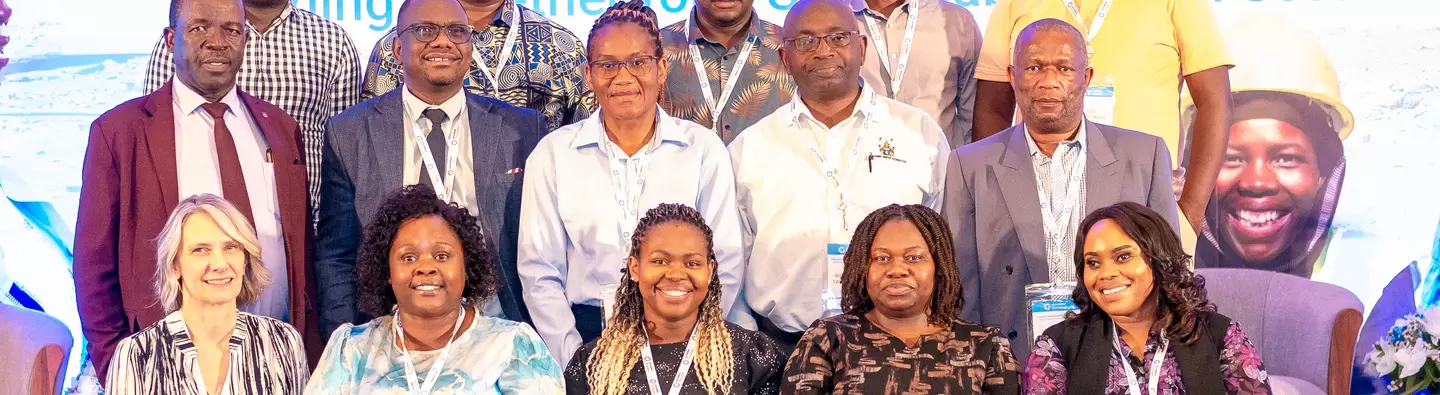
The planetGOLD Zimbabwe project held its first Annual Stakeholders Conference in Harare from 27–28 October 2025, bringing together government ministries, mining associations, the private sector, development partners, and civil society under one theme: Building Together for a Sustainable ASGM Sector.
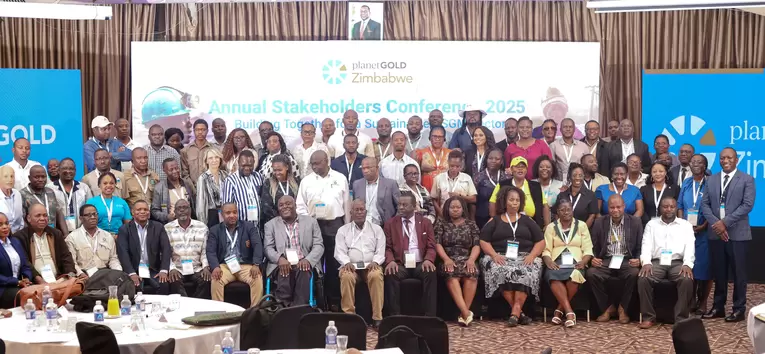
For many in the artisanal and small-scale gold mining (ASGM) sector, it marked the first time key actors came together to take stock of progress and map what sustainable mining could look like in practice. The meeting also showcased progress from the project’s first year and strengthened collective resolve to scale responsible, mercury-free mining across Zimbabwe.
A Shared Commitment
The event came at a critical moment for Zimbabwe’s ASGM sector, which supports hundreds of thousands of livelihoods yet continues to face unsafe practices, mercury use, and limited access to finance.
With ongoing reforms to the draft Mines and Minerals Bill 2025 and growing global attention on mercury reduction under the Minamata Convention, stakeholders used the two days to align around practical actions for a more sustainable and inclusive ASGM sector.
Discussions focused on how policy reform, clean technology, and access to finance can work together to transform livelihoods while protecting the environment.
In his opening remarks, the Canadian Ambassador to Zimbabwe, His Excellency Adler Aristilde, underscored the importance of partnership and innovation in shaping the future of the ASGM sector.
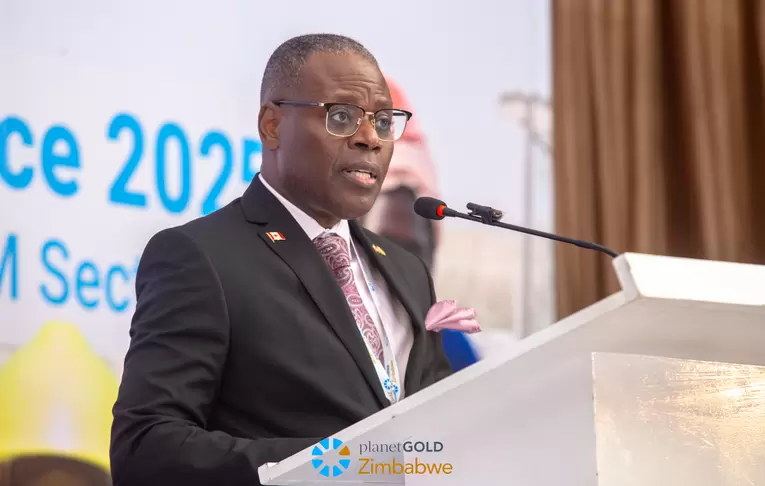
“planetGOLD demonstrates the immense potential of clean technology in the gold mining sector, helping thousands of local miners to make their practices more efficient, clean, and inclusive—and, of course, reducing the use of mercury. It also shows us the value of partnership: closing financing gaps and connecting communities, governments, civil society organizations and researchers to benefit from information sharing and best practices.”
His words reflected a shared belief among participants that collaboration remains the foundation for lasting change.
Leaving No Miner Behind
The conference further provided a platform for honest discussion on how to translate policy into real benefits for miners. During the event, the project launched the Strengthening the Mines and Minerals Bill: Advancing Reforms for the Benefit of Artisanal and Small-Scale Gold Miners in Zimbabwe.
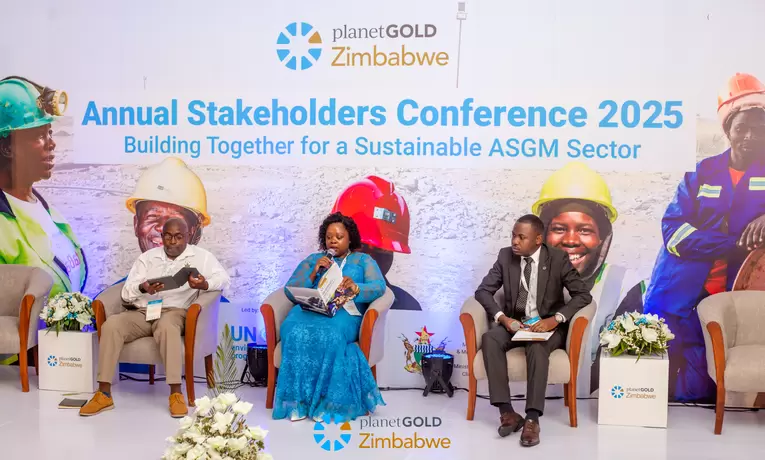
The publication outlines practical measures to ensure the revised Mines and Minerals Bill recognizes artisanal and small-scale miners through tiered licensing, simplified administrative processes, and gender-responsive provisions.
For miners, particularly women and youth, and those with disabilities, these reforms could open pathways to formalization and safer technologies. A representative from a miners’ association shared that access to finance and training remains essential for miners to transition to mercury-free practices and operate within formal systems. Many miners expressed optimism that, with consistent support, they could transition from survival-based operations to fully compliant, productive enterprises.
The recommendations bridge Zimbabwe’s mining reforms with both the realities of small-scale mining and the country’s global mercury-reduction commitments.
Looking Ahead
As the conference closed, participants reaffirmed their shared commitment to responsible mining and environmental stewardship.
The next phase of the project will focus on piloting mercury-free technologies, strengthening partnerships with government and financial institutions, and putting policy reforms into practice.
The project also aims to expand access to finance and demonstrate how safer processing methods can improve both environmental performance and miners’ livelihoods.
As the discussions concluded, one message resonated with all stakeholders: building a sustainable ASGM sector will require persistence, collaboration, and innovation. The groundwork has been laid, and Zimbabwe’s miners, policymakers, and partners are ready to carry it forward.
The planetGOLD Zimbabwe project is supported by the Global Environment Facility (GEF) and led by the United Nations Environment Programme (UNEP). The project is executed by IMPACT, in close coordination with the Ministry of Mines and Mining Development, the Ministry of Environment, Climate and Wildlife and the Environment Management Agency.
Comments
I am the chairman of the board of directors of the pioneering Cameroonian association for the development of artisanal and small-scale mining.
A young association that promotes the formalization, promotion and development of EMAPE with the Cameroonian government and new practices of mechanization of artisanal mining.
It is very urgent to promote this mechanization so that artisanal miners and communities emerge from their lethargy and use their work not just for survival, but like any other job that Contributes to its well-being and that of the government through the collection of a tax.
If the mine worker no longer expends all his strength to recover 1/4 gram of gold, he will feel reinvigorated to follow the recommendations of his government.
One of my concerns is why PlanetGold does not have a program in Cameroon? We wish to work with you and other global organizations to finally formalize the full integration of mechanization into artisanal mining.