

As a wide range of stakeholders come together and exchange knowledge at the 2026 Global Forum on ASGM, meet some of the miner representatives in attendance who will share their candid input and perspectives.
Adolfo Loza
(Bolivia)
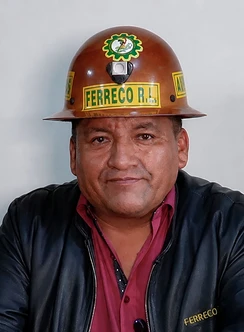
Adolfo Loza is a miner and a leader of the Esmeralda Mining Cooperative of San Francisco R.L., located in the community of Guajchono, where he was born, lives, and works.
His history in mining began when outsiders showed interest in applying for a mining area within the territory of his community. Faced with this situation, together with other community members, he decided to organize and form their own cooperative, so that they themselves could responsibly make use of their resources and ensure that the benefits remained within their community. This is how the Esmeralda de San Francisco R.L. Cooperative was created, thinking primarily about the well-being of their families and the future of their children.
Currently, they are 36 people working in different tasks. His daily work consists of coordinating and supervising mining activities, but above all, being attentive to the safety of his colleagues. He must be alert to natural phenomena, such as flash floods, properly organize personnel to prevent accidents, ensure that they have sufficient fuel, and verify that their documentation is in order.
One of the greatest difficulties they face is the fuel shortage during the last two years, in addition to the lack of support and technical advice. Despite these barriers, their objective is to move toward more sustainable mining with better technology, achieve production with zero mercury use, and be able to market their gold responsibly and at better prices, generating greater income for their families.
For him, mining has meant much more than a source of work. Thanks to the cooperative, they have seen important changes in Guajchono: housing has improved, and they now have a school, a health post, and a community center. Their children also have better opportunities to access education.
They know that the gold may one day run out. Therefore, his hope is that what mining generates today will allow them to strengthen other activities, especially agriculture and livestock farming, so that in the future their families will have other sources of income and their children can stay, work, and develop in their community without having to migrate to the cities.
Amadou Sanoussy Dafe
(Mali)
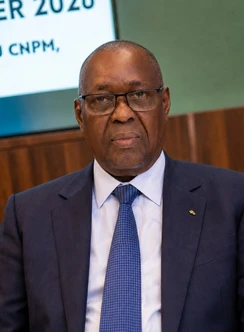
Amadou Sanoussy DAFE was born in Gao, Mali. He currently resides in Bamako, where he carries out professional, institutional, and community activities in the mining sector, particularly in the areas of leadership, organizational development, and advocacy for the interests of artisanal miners and gold panners’ cooperatives.
He has been a mining operator for several decades. Today, he holds several leadership roles in the sector, including President of the National Confederation of Gold Panners’ Cooperatives of Mali (CNSCOM-COOP-CA), President of the Network of Artisanal Miners of the Alliance of Sahel States (RAM-AES), and General Treasurer of the Chamber of Mines of Mali.
His involvement in the mining sector began in the early 1990s. At that time, he obtained a mining permit and a dredging permit in the Kangaba area, a region historically known for its gold mining activities. However, like many national operators, he faced the challenge of accessing suitable financing to develop a structured mining operation very early on. This reality gradually led him toward artisanal and small-scale mining, working directly with gold miners, local communities, and on-the-ground stakeholders.
This experience had a profound impact on his career. It helped him understand that artisanal mining is not merely an economic activity; it is also a means of subsistence for thousands of families. For many communities, particularly in rural areas, gold panning provides food for households, funds children’s education, supports women, and generates income where economic opportunities are limited. That is why he has dedicated myself to organizing artisanal miners’ groups, formalizing cooperatives, improving working conditions, protecting the environment, and engaging in dialogue with public authorities and technical partners.
His field experience in artisanal mining has mainly taken place in areas near waterways, particularly for dredging activities, or on the banks and along the edges of rivers for traditional gold panning. Dredging generally involves at least fifteen people, while panning on the banks or riverbanks can bring together about twenty workers, sometimes more depending on the size of the site. A typical day starts very early, with organizing the teams, preparing the equipment, identifying work areas, and then the operations of extracting, washing, processing, and recovering the gold. It is demanding, physically strenuous work, often involving risks, but it relies on strong solidarity among the workers
Beyond the extraction activity itself, his current role also involves representing artisanal miners, raising awareness among stakeholders about best practices, encouraging formalization, engaging with authorities, and seeking partnerships to improve working conditions in the sector. The main obstacle artisanal miners face remains access to financing. Many stakeholders are willing to work in a more organized, safer, and more responsible manner, but they lack the necessary resources to acquire appropriate equipment, secure sites, improve production methods, or gradually reduce hazardous practices.
His greatest hope is to see a real and sustainable improvement in the working conditions of artisanal miners. He hopes that gold panners can work in a safer, better-organized, better-supervised environment that is more respectful of human health and the environment. He also hopes that cooperatives will have access to better technologies, appropriate financing, practical training, and institutional support to reduce work-related risks, limit the use of hazardous products, and better promote artisanal production.
Through CNSCOM-COOP-CA in Mali and RAM-AES within the Alliance of Sahel States, his goal is to help ensure that artisanal miners are recognized as full-fledged economic actors, capable of contributing to local development, job creation, community stability, and more responsible mining practices.
Eba Jean Pierre N'guessan
(Cote d'Ivoire)
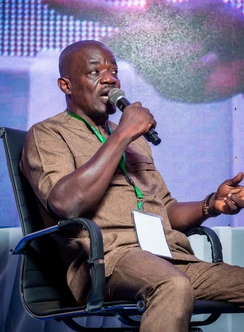
N'guessan Eba Jean Pierre is from Ahounienfoutou, in the sub-prefecture of N'Guessankro, Bongouanou department, Moronou region, in central-eastern Côte d'Ivoire. He is now Chairman of the Management Committee of N'ZI GOLD Ressources in Ahounienfoutou and a former student of the SODEMI Mining School of Assiè Kokoré in Bongouanou. Before joining the mining sector, he worked as a worker in a bakery. His career in gold panning began between 2017 and 2018, following meetings with friends involved in illegal artisanal mining. Through their stories and field experiences, he gradually discovered the world of gold panning and developed a growing interest in this activity. Driven by the desire to better understand the sector, he began by looking for areas favourable to gold mining in his locality, in the service of a professional mining operator. This first experience allowed him to familiarize himself with the realities of the field as well as the challenges related to artisanal mining.
Wishing to carry out mining activity in a more professional, responsible and secure manner, Mr. Between 2020 and 2021, N'guessan Eba Jean Pierre joined the SODEMI Mining School Project in Assiè Kokoré. This training is a decisive step in his career, allowing him to acquire technical knowledge in artisanal mining, safety on mining sites and good environmental practices. This experience also reinforces his belief that gold panning can evolve into a more organized, safer, environmentally friendly and beneficial activity for local communities.
At the end of his training at SODEMI's Mining School Yard, Mr. N'guessan Eba Jean Pierre is committed to a process of formalization of its mining activity, with the desire to operate within a legal, structured and responsible framework. After several administrative procedures, he obtained a craft operating permit issued in his name in 2023 in Ahounienfoutou. Since then, he has been conducting the exploitation activities with a team of about fifteen young people operating on the slopes of a hill in his locality. The work includes digging, transporting the ore, crushing, washing and sorting the mined gold. In his capacity as site manager, he ensures the coordination of the teams, the monitoring of activities and compliance with the rules of safety and discipline on the site. Its commitment aims to promote better organized artisanal mining, generating jobs and income for the young people of the community. In addition, Mr. N'guessan Eba Jean Pierre is actively working to promote good environmental and health practices on the site, in particular through raising awareness among artisanal miners about the reduction and fight against the use of mercury, as well as the adoption of safer and more environmentally friendly mining methods.
The career of Mr. N'guessan Eba Jean Pierre was also impressed by the support of the planetGOLD Côte d'Ivoire project. Thanks to this support, the Ahounienfoutou mining group has been able to take an important step by transforming itself into a mining cooperative society. This formalization has made it possible to strengthen the organization of the group, to improve its governance and to better integrate artisanal miners into the formal sector. For him, this development represents real hope for mining communities, paving the way for more opportunities, supervision and professionalization.
The daily life of Mr. N'guessan Eba Jean Pierre is punctuated by a demanding job. Each day starts very early with the organization of the teams and the distribution of tasks on the site. The work remains essentially manual and is carried out in sometimes difficult conditions. He and his team oversee the activities of digging, transporting ore, crushing, washing and sorting the gold extracted. In addition to technical work, he also ensures the coordination of the teams, the monitoring of activities and the maintenance of a climate of discipline and solidarity between the young workers of the site.
The main challenge remains access to finance in order to further professionalize artisanal mining. The lack of modern equipment limits productivity and makes working conditions more difficult for teams. Activities often take place in harsh conditions, marked by heat, dust, fatigue and the risks associated with manual labour on mine sites. In addition, there is the problem of clandestine and illegal occupation of certain allocated plots, a situation that sometimes creates tensions, weakens the security of the sites and complicates the proper management of artisanal farms. For M. N'guessan Eba Jean Pierre, these challenges show the importance of better support for artisanal miners, particularly in terms of financing, training and access to more modern and environmentally friendly technologies.
Mr. N'guessan Eba Jean Pierre has the ambition to gradually evolve his activity towards a semi-industrial operation and, in the long term, to become an entrepreneur at the head of a modern industrial site in his locality. Through his commitment, he wishes to contribute to the creation of jobs for young people, the economic development of his community and the promotion of responsible and sustainable artisanal mining in Côte d'Ivoire. His career today illustrates the determination, resilience and hope of a new generation of Ivorian artisanal miners committed to formalization and sustainable development.
Eilyn Villalobos Raminez
(Costa Rica)
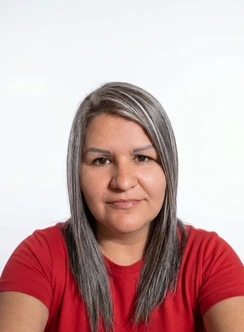
Eilyn Villalobos Ramírez comes from a family with a long history in mining. Her grandfather and her father were among the first pioneers to work in MAPE in Abangares. When the mining companies abandoned the area in the 1980s, they were employees of those companies. Once the company withdrew and abandoned the mine, leaving wages unpaid and even taking the miners’ savings from the solidarity association, they were forced to go into the mine to work on their own to provide for their families.
At that time, she was just a little girl, but she witnessed all the suffering her father and mother went through to have their work recognized, as well as the countless hardships they endured to provide her and her siblings with an education and ensure that they could move forward in life. By the year 2000, the miners had organized themselves into a Specific Development Association to request that government authorities legally transfer ownership of the mine to them; she began working with them in 2009, though that struggle did not end until 2026, when President Rodrigo Chaves Robles granted the first mining concession under Law 8904 (Special Law for MAPE). Mining in Abangares takes place in tunnels 1.10 m wide by 1.86 m high; it is entirely underground, so the environment is neither altered nor affected.
The biggest barriers they face are financing, formalization costs, and dependence on mercury. All the factors mentioned above, financing, formalization costs, etc., are difficult, but the biggest challenge is getting miners to believe in the formalization process when, for so many years, the MAPE has been neglected by governments, and those same governments never gave clear signals that they wanted to address the informality in which they have worked for so many years.
Their goal with the new concession is to ensure that every miner affiliated with the cooperative can enter the legal market, open their own bank accounts, gain access to housing loans and business loans to implement technological upgrades and improve their working conditions, as well as gain access to better markets for gold exports.
El'yusuf Paiko Muhammad
(Nigeria)
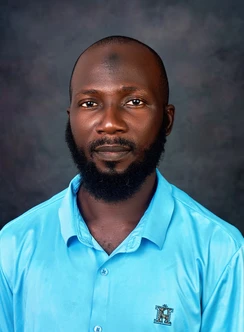
El’yusuf Paiko Muhammad is a Nigerian public administrator, ICT professional, and mining sector practitioner with a strong passion for nature and solid minerals development. For the past 10 years, he has focused on organizing artisanal gold miners into cooperatives and small-scale mining groups through Paiko Miners Cooperative Society Limited, helping bridge the gap between informal artisanal miners and formal, organized mining operations while promoting structured growth and responsible gold marketing.
He is the President of Paiko Miners Cooperative Society Limited. He is from Paiko, Paikoro Local Government Area of Niger State, in the North Central Region of Nigeria, where he lives and carries out most of his mining activities.
He became passionate about mining through two of his uncles, with whom he lived throughout his childhood in the northern city of Jos, Plateau State, in North Central Nigeria. Both worked with the Nigerian Mining Corporation (NMC). Their guidance and frequent discussions over the years shaped his path, leading him to become a broker and exploration consultant.
Every region, province, and community has a particular type of soil texture. In his area, the soil consists of clay particles with rock formations beneath the earth. This geology allows for open-pit mining following the trends of primary gold-bearing veins. This process involves between two and three hundred men working in groups across different pits. A typical day is filled with challenges, including worker supervision, technical support, and the selection and allocation of tools and equipment, among many other responsibilities.
What every ASGM miner will tell an audience anywhere in Nigeria is that one of the biggest challenges is the absence of government policies that would enable ASGM operators to access grants and loan facilities from government agencies or private financial institutions. Another challenge is the overdependence on mercury and the lack of viable alternatives that would allow mercury to be completely phased out. The issue of formalization has been partly addressed through the Presidential Artisanal Gold Mining Development Initiative (PAGMI), launched in Nigeria in 2019, which enabled the Federal Ministry of Solid Minerals Development to establish an ASGM department and formalize cooperatives into organized operating groups. Marketing remains another major challenge. Policymakers have not provided ASGM operators with a clear pathway to access the true market value of the gold they produce. Addressing this issue would not only benefit miners but also help the government generate royalty revenues.
He believes that ASGM miners are the pathfinders of gold mining around the world. Yet, ASGM operators are not globally recognized as vendors of finished gold products. As an active ASGM practitioner, his hope is to see ASGM miners become globally accepted vendors of refined gold, with the ability to establish and operate mini gold refineries and processing plants within their communities. This would create employment opportunities for both skilled and unskilled workers, reduce dependence on government job creation, improve control and monitoring of mercury use and disposal, expand insurance coverage for artisanal miners who have spent their productive years working in mines without formal education, and enable miners to access grants and loans from institutions such as the Solid Minerals Development Fund and commercial banks.
Georges Randriamaniry
(Madagascar)

Georges Randriamaniry was born in and is a resident of Vohilava, in the district of Mananjary, Vatovavy Region, Madagascar. He is currently the Mayor of the Rural Commune of Vohilava, as well as a leader and trainer of gold miners with 12 years of experience in the sector.
In the past, agriculture was the main activity of the population in the Rural Commune of Vohilava. However, due to climate change, the population has increasingly turned to mining as a means of making a living.
He works with a team of 10 people as part of a gold mining group, serving as the team leader. Every day, the group works together, with each member having their own specialization. Team members receive their fair share of the income generated, and everyone is generally satisfied with the arrangement.
However, there are always obstacles, including: poor and insufficient mining equipment due to a lack of investors, the impact of mercury use by large-scale operators (for example, Chinese companies), which degrades gold quality and harms public health, the lack of safety in mining operations, the lack of standardization in mining practices, the poor revenue management after profit-sharing and the frequent drops in the price of gold.
Despite these challenges, he hopes that collaboration with the planetGOLD project will help gold miners achieve healthier lives, support mining groups in operating within a legal framework, and provide sufficient and sustainable income to meet family needs such as healthcare and education while protecting the environment.
Hector Ruben
(Paraguay)
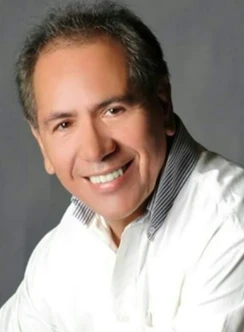
Héctor Rubén Aguilera Aquino is originally from Asunción, Paraguay, although he currently resides in Caaguazú and carries out his professional activities in the district of Paso Yobái, in the department of Guairá.
One of the most significant achievements of his career has been facilitating dialogue and fostering closer collaboration between the concession-holding company and the small-scale mining sector. Through the promotion of negotiation and mutual understanding between both parties, he has contributed to strengthening the formalization of the sector and advancing processes that support the organization and social well-being of small-scale miners.
He entered the mining sector in 2007, primarily motivated by the need to find new economic opportunities and build a better future for his family. Over time, mining became not only a source of livelihood but also a space for professional and personal growth. Throughout these years, artisanal and small-scale mining has played a fundamental role in his life, allowing him to gain a deep understanding of the realities faced by mining communities, their challenges, and their considerable potential. This experience has motivated him to work toward strengthening and formalizing the sector while contributing to sustainable development and the well-being of those who depend on mining for their livelihoods.
He currently serves as coordinator and manager of a mining team within a mining company operating in the district of Paso Yobái. His work involves coordinating daily activities, supervising operational processes, supporting personnel in carrying out their responsibilities, and acting as a liaison between the various stakeholders involved in mining activities.
Each day, he travels from Caaguazú to the mining area in Guairá to perform his duties. A typical day includes coordination meetings, visits to work sites, monitoring operations, and making management decisions related to company activities. He works closely with both technical and operational teams to ensure that activities are carried out efficiently, safely, and in compliance with existing regulations. Although his current responsibilities are primarily focused on management and coordination, his many years of experience in the sector allow him to maintain a close understanding of the realities faced by miners and the challenges they encounter in the field every day.
One of the main barriers facing the sector is access to financing. Small-scale mining operations often struggle to access credit or financial resources needed to invest in infrastructure, technology, and improvements to production processes. Another significant challenge is access to alternatives and improvements in the use of chemicals within mining activities. The adoption of more efficient and sustainable technologies and practices requires training, technical assistance, and investments that are not always available to small-scale producers. In his view, overcoming these limitations is essential for advancing safer, more responsible, and environmentally sustainable mining. Based on his experience, strengthening access to financing and appropriate technologies is key to promoting both formalization and sustainable development in the artisanal and small-scale mining sector.
His main hope for the future is to continue growing both personally and professionally within the mining sector. He aspires to see mining continue to develop in a sustainable manner through the adoption of new technologies, improved working practices, and greater opportunities for those who depend on the sector. He also hopes that the mining sector will gain increased access to financing and tools that can strengthen production processes and support formalization efforts. He is convinced that, with the right support and the commitment of all stakeholders, it is possible to build a mining sector that is more efficient, safe, and responsible. Beyond personal achievements, his aspiration is to contribute to the growth of mining activities and to the well-being of the communities that rely on mining as a source of employment and development.
Kathleen Blom
(Suriname)
Kathleen Ivonne Blom is the Manager of two Limited Liabilities, established under Surinamese Law. The two companies, “Sarakreek Resource Corporation Ltd.” and “China Mega Suriname Mining Investment Company Ltd.” are cooperating mining companies, registered at the Suriname Chamber of Commerce. She also manages the two companies from her office in Paramaribo and visits the mining area on a frequent basis.
She has been a manager since 2011 and as such acquainted with the aspects of formal and informal/illegal mining. ASGM is very well known, because people do enter the company's mining right to perform ASGM activities. These ASGM activities may tend to cause obstacles and conflicts for the company's daily operation.
In Suriname, legally operating mining companies require a "Mining Right (License)," granted by the Ministry of Natural Resources. A holder of a mining right has obligations to the government based on the mining right granted (annual rent payment; royalty; annual reporting on exploration and exploitation activities to the Geological Mining Service/Ministry of Natural Resources). ASGM as yet has no legal status, which makes it difficult for miners when they perform gold production activities in the mining right of a third party.
However, ASGM is a fact in all gold-producing countries in the world and therefore requires serious attention regarding formal status, collective land rights for Indigenous and tribal communities, use of hazardous materials, pollution of the environment, safeguarding of nature reserves, etc.
For over 30 years, Sarakreek Resource Corporation Ltd. has been holder of the "Right to Exploitation of Gold, Diamond and other Minerals" on an area of approximately 22,500 hectares.
The mining concession is in the Sarakreek area, in the District of Brokopondo in Suriname. The Sarakreek area is known as being part of the Greenstone Belt, thus attractive to all interested in the production of gold.
Daily, she deals with legal matters, has frequent contact with the Ministry of Natural Resources and other government and non-government institutions. She also manages conflicts between workers, staff, and informal miners (ASGM). The problems occur when encountering an extreme number of ASGM in the work area. This creates safety issues and loss of capital. She must try to control the ASGM situation. The Ministry of Natural Resources is in the process of regulating the ASGM situation in general, but specifically when it comes to granted mining rights.
It is a big challenge for her to find a balance in dealing with ASGM in the mining concession. It is to say that when and where ASGM activities are allowed by the companies, it should be based on standards. For decades, the use of mercury has been the quick solution to recover gold, whereby in recent years new chemicals have been introduced to produce "quick gold." Green gold production is unknown to ASGM. Training and demonstration of ASGM communities on higher gold yields will remain of low interest to them when there is a discontinuation in awareness activities, pilot demonstrations, and training. ASGM daily production of green gold must be based on readily available equipment and guidance to produce green gold. Their companies are willing to contribute financially and in kind to regulated ASGM in the mining area.
She sees allowing ASGM into normal banking, that is, having a bank account at one of the local banks, as a must for transparency of money flows. She would support a limited ASGM group working in the Sarakreek mining area with an employer's certificate, which would be accepted by a local bank to open an account for an ASGM miner.
Kundai Chikonzo Midzi
(Zimbabwe)
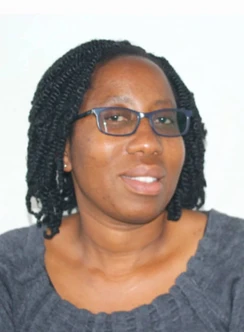
Kundai Chikonzo Midzi is a small-scale gold miner based in Filabusi, Zimbabwe, in the Insiza District, with over 14 years of experience in the Artisanal and Small-Scale Mining (ASM) sector. An accountant by profession, she is a passionate advocate for women’s empowerment, community development, and sustainable growth within the artisanal and small-scale women’s mining sector. Kundai’s journey into mining began as a livelihood choice that emerged from consultancy work she was conducting with miners. As an accountant, she provided consultancy services in project management, project proposal development, and facilitating loan applications for mining operations. Through this work, she developed a close understanding of the challenges faced by miners and became actively involved in supporting their business growth.
A defining milestone in her journey came when she successfully applied for funding through the Fidelity Gold Refinery Gold Development Initiative. She not only secured the funding but successfully managed repayment, demonstrating the viability of responsible financing in small-scale mining. She also played a pioneering role by convincing the bank to accept a mining claim as collateral for financing a significant breakthrough in accessing mining finance. Following her success, she became the first woman miner to feature in a month-long national television campaign promoting the gold funding initiative after successfully accessing and utilizing the facility.
While working closely with miners, Kundai observed a recurring challenge, many miners struggled to repay loans despite securing funding. This sparked her curiosity and inspired her to gain a deeper understanding of the realities, economics, and operational challenges of mining from the miners’ perspective. Driven by this passion, Kundai pursued studies at the Zimbabwe School of Mines to strengthen her technical understanding of the industry and gain practical mining expertise. She further expanded her professional capacity through studies in Project Management, Monitoring, and Evaluation at Catholic University. Her transition from consultancy into hands-on mining enabled her to combine financial expertise with practical field experience.
Today, Kundai works extensively in underground mining, particularly in inclined shafts and straight shafts. She oversees a workforce of 44 employees operating daily on-site through a structured shift system, with teams of six workers assigned per shift. Operations are guided by production targets for each shaft to maintain productivity, operational efficiency, and sustainability.
Throughout her mining journey, Kundai has identified critical barriers affecting her small-scale mining operations. One of the major challenges is dependence on mercury, as many operations continue to rely heavily on mercury in gold processing. Another significant challenge is limited access to modern mining technologies, which affects productivity and operational efficiency. These technological limitations are closely linked to financing constraints, creating barriers to growth and sector transformation.
Looking toward the future, Kundai envisions increased access to modern technologies that support responsible gold sourcing and reduce dependence on mercury. She is equally passionate about advancing the formalization of women in mining and improving working conditions for mine workers. Through her work and advocacy, she continues to champion safer, more sustainable, and inclusive mining practices while creating opportunities for women to thrive as leaders and contributors within the mining sector.
Kundai believes in creating pathways that empower women to become leaders, innovators, and agents of change in society and the mining industry.
Monica Anyede Etyang
(Uganda)
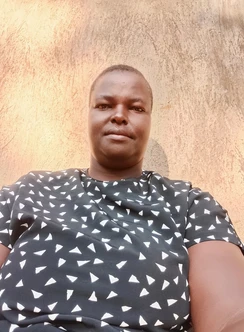
Monica Anyede Etyang is a gold miner from the Tiira mine site in Busia District, Eastern Uganda. She came into mining through a friend who introduced her to the sector. She became interested in the business at that time and has remained involved ever since. Mining has become her livelihood choice.
She wakes up at 5:00 a.m. and spends two hours working in the garden before returning home. As a mother of three, she makes sure her children do not miss school and prepares breakfast before setting off for work. As a site manager, she ensures that everything is in place for workers to begin their activities. The workday runs from 8:00 a.m. to 5:00 p.m.
In Uganda, mining takes place underground, on hillsides, and along rivers. She currently works on a hillside and also oversees underground mining operations reaching depths of 100 to 150 feet. She has 15 workers at her site and works with more than 100 women on other mining activities. She actively encourages women to engage in mining as a business and always feels good working alongside other women.
The barriers she faces include the high costs of formalization and the lengthy process of obtaining mining licenses. Access to finance is also a major challenge for miners, as is the continued dependence on mercury.
She hopes that one day working conditions will improve through the adoption of new technologies and alternatives to mercury. She believes that if mercury is eliminated from mining operations, communities will benefit from a healthier environment, cleaner food and air, and improved health outcomes, including healthier babies being born around the world.
Noel Lumbama
(Zambia)
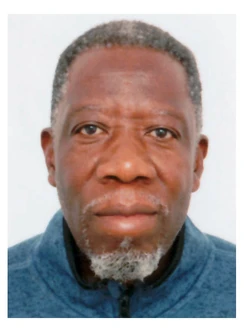
Noel Lumbama is a 63 years old miner based in Matipa village and occasionally in Lusaka, Zambia. He has a background in design, communications, and business management. His qualifications include diplomas in Art, Business English, and International Management, alongside specialised certifications in communication technology and public relations. Over his career, he has worked in Zambia as a graphic designer in broadcasting, advertising, and printing. He also worked in Kenya with an international environmental organisation, and the printing sector. While in Kenya, he also established and managed a design, editing, and printing company that served non-governmental organisations for over a decade.
Driven by a commitment to community development, he transitioned into artisanal mining upon returning to Zambia to help improve livelihoods in his home village. Alongside family members, he co-founded the Kwetu Multipurpose Cooperative Society Limited to introduce sustainable, collaborative economic activities to the area. Today, he serves as the Chairperson of the cooperative, which holds an official artisanal mining rights license. In this role, he manages a dedicated ten-person team operating across our hilly mining site and flat processing grounds, leading daily operations, strategic planning, and evening team reviews.
While they are working hard toward their goals, their progress is heavily restricted by a critical lack of resources. They urgently need proper equipment for both mining and processing sites, reliable transportation to move ore, and funding to raise a bridge and repair the damaged road connecting our mining and processing locations. Noel's ultimate vision is to bring this gold mining operation to full capacity, using the revenue to transform Matipa village and surrounding communities by establishing vital social structures, a school, a health clinic, quality housing, and access to clean water.
Shane Cornelius
(Guyana)
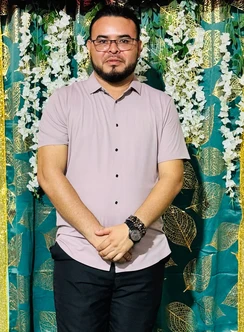
Shane Cornelius is the Toshao (Leader) of Karrau Amerindian Village, located along the Lower Mazaruni River in Region 7 of Guyana, and also serves as Secretary of the National Toshaos Council. He has been leading his village for the past five years.
Karrau Village, despite being a traditional logging community, has always been involved in mining. Mining activities began with "pork-knocking" using manual tools in the mountains before transitioning to mechanical mining closer to the village about 15 years ago. As a result, residents have been exposed to mining from an early age, and for many, mining has become a natural livelihood choice as they grow older.
Because he is a full-time village leader, he does not currently work directly in the mining sector. However, he oversees mining operations on village lands and provides guidance where possible. Prior to assuming his leadership role, he worked as a miner himself.
The biggest barriers faced by small-scale miners include limited access to capital due to the risks associated with mining, difficulty accessing gold-bearing lands, lack of funding for prospecting activities, challenging weather conditions, poor road infrastructure, and competition from other sectors. The recent oil boom has attracted workers away from mining, with many people choosing employment in the construction sector and other industries instead.
One of his hopes for the future is to see small-scale miners form cooperatives or groups that can improve access to financing, machinery, and other essential resources. He also hopes miners will gain access to improved gold recovery methods and gold-bearing lands, while developing alternative livelihood opportunities that can diversify income sources and make productive use of mined-out lands.
Soveida Beatriz Castañeda
(Honduras)
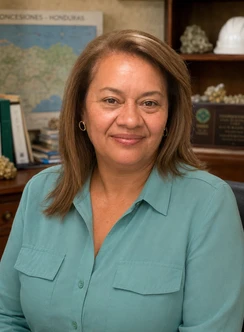
Soveida Beatriz Castañeda is from Lago de Yojoa, Cortés, and currently works in the community of Santa Cruz Minas, Quimistán, Santa Bárbara, Honduras. She is a single mother who started working in mining out of the need to provide for her three children and give them an education and a better future. Through hard work and determination, she learned the trade, which today also provides a livelihood for several families.
Her work consists of coordinating workers during ore extraction, transporting the material for processing, and supervising each stage of processing at the plants. After the gold is sold, the profits are shared among the people involved in the work. She currently works in partnership with eight people, four women and four men, who also subcontract other workers from the area. Most of their mining activities are artisanal, as they do not have access to heavy machinery such as tractors or backhoes.
One of the biggest challenges she faces is that their operations have not yet been legalized, which limits their ability to work more safely and efficiently, particularly in high-risk areas where the terrain is fragile. Access to machinery would significantly improve working conditions and allow them to make further progress in their mining activities.
One of her greatest hopes is to legalize their operations so they can work under better conditions and continue growing. More than just a job, mining represents struggle, sacrifice, and hope for many families who depend on this daily effort for their livelihoods.
Tamba Christopher Lamin
(Sierra Leone)
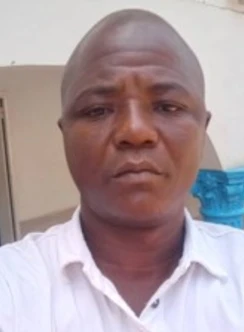
Tamba Christopher Lamin has been an artisanal miner for over twenty-five years, initially mining diamonds and then transitioning to gold mining about fifteen years ago. His chiefdom and family have been connected to mining for decades and he is also Chairman for the Land-owning Families in Grima Village and Chairman for the Grima Miners Cooperative Society Limited (GRIMCOS). The Cooperative was registered with the Department of Cooperatives, Sierra Leone in 2021, with a membership of 32, including 12 women. Grima is a village in Nimima Section, Penguia Chiefdom, Kailahun District, Sierra Leone.
The mining they do uses simple handheld implements for excavation near the Mongayi stream. When they can afford the money, they hire an excavator to excavate material for a day.
The challenges they face include lack of equipment and training to mine more efficiently and safely. They also struggle to pay the fees needed to get a government license to mine. Formation of the cooperatives has not really helped their situation much, because they still have unfulfilled needs for safety and mining equipment that will make their work more efficient. There was an opportunity for getting a loan from an organisation called SMEDA, but they did not go for it because the amount of money was small and the interest was high.
Tuya Damdinjamts
(Mongolia)
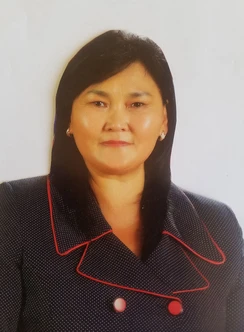
Ms. Tuya Damdinjamts is an artisanal and small-scale miner from Mandal soum in Selenge province, where she leads the “Shijir Khishig” ASGM partnership. She entered the mining sector during Mongolia’s transition to a market economy in the 1990s, when widespread unemployment led many people to seek livelihoods in gold mining. Her family’s involvement in gold digging further shaped her path into artisanal mining.
With decades of experience, Ms. Tuya has transitioned from informal “ninja” mining to organized, responsible artisanal mining. She is committed to improving miners’ livelihoods while promoting safer working conditions, environmental rehabilitation, and sustainable practices within her community.
Mining shaft opening has started, but since the main gold ore vein has not yet been reached, the processing plant is not fully operational. Last year, the permitted mining areas were allocated to local artisanal mining partnerships by the soum administration. Following this, she signed an agreement with the local authorities in March 2025. However, due to heavy snowfall during the winter season, work was temporarily stopped from December 2025 to February this year, which caused delays. During this period, she met with potential investors and worked on preparations for opening the mine shaft. Once the weather became warmer, they resumed excavation and, to date, have completed approximately 350 meters of digging.
Her work starts early in the morning at the mining site. After arriving, she first checks the security and safety conditions at the explosives storage facility and the overall site situation. She then meets with the OHS officer, partnership members, and blasting engineers to plan the day’s work. Around 13 people work at the site daily, and special attention is given to workers’ occupational safety and health. In the afternoon, she returns to the processing plant and office in the soum center, where she handles documentation, meetings, and sometimes participates in public events. Overall, her main responsibility is now to manage and coordinate mining operations and the preparation of the processing plant, as well as to direct daily activities.
Previously, obtaining permission for mining land was a major challenge for them. However, they now have an officially allocated area. Therefore, reaching the ore vein quickly, starting extraction, and operating the processing plant have become their short-term priorities. The soum has allocated a total of 4 hectares of land to four artisanal mining cooperatives. However, the mine openings of these cooperatives are located very close to each other, which appears to pose safety risks. She has reported this issue to the environmental office, but since there is no mining specialist in the soum, it has been difficult to reach a clear understanding.
She has also informed the other cooperatives that, given the competitive environment, it is important for all parties to reach a common understanding and coordinate their planning. There is a need for stronger joint monitoring and coordination between government authorities and artisanal miners. In addition, previously rehabilitated areas of their cooperative have been disturbed and used by illegal informal gold miners, causing damage to the restored land.
Once mining begins, their processing plant will also become operational. The mercury-free processing plant has obtained all necessary permits, and their extraction and processing activities are now fully formalized. This enables them to demonstrate that they are responsible artisanal miners, comply with the CRAFT standard, serve as a model for others, and proudly share the knowledge and experience they have gained.
From her experience, there is a difference in how men and women approach the mining business, and she wants to show that women can also succeed and inspire other female artisanal miners. She also aims to support partnership members in improving their livelihoods, such as housing, livestock ownership, and stable post-mining employment, depending on how sustainably they operate.
Her partnership has been conducting community-based activities since its establishment. They believe that, like large corporations, they also have a responsibility to contribute positively to society. One example is their annual football tournament for boys aged 8–15 in Mandal, which they have been organizing and sponsoring for the past five years. In 2026, more than 200 children participated.
They aim to expand this initiative to the province and national levels, contributing to stronger social responsibility practices in artisanal mining and improving public perceptions of the sector. In the future, she hopes to make an even greater impact on the community and younger generation. After being selected for MFPS, they constructed the building, restored the deep well, and introduced training and practice for implementing the CRAFT standard. Cooperative members actively participated in the installation process.
While men may have advantages in physical work, women also bring strengths in documentation, organization, and leadership. The planetGOLD Mongolia Gender Committee, through its bi-monthly trainings, has been highly impactful in strengthening their understanding of gender equality, leadership, and soft skills. It has also guided them, as women, in recognizing and utilizing their strengths in documenting, organizing, and leading, contributing positively to their partnerships.